Companion Plants
Grand Haven’s unique mix of sandy, well-draining soil and cooler coastal temperatures creates the ideal conditions for plants that love drought resistance and cold hardiness.
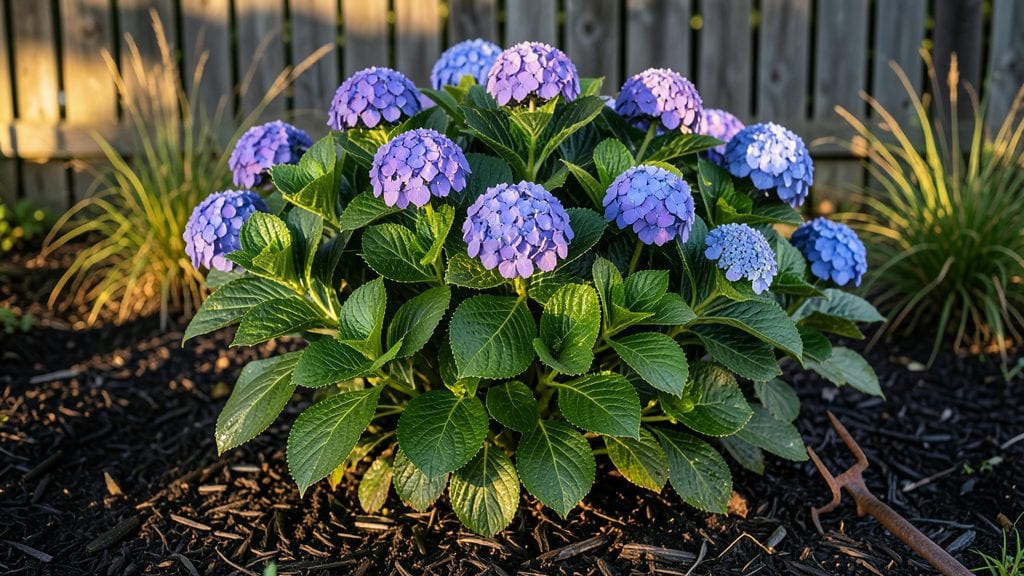
These conditions favor deep-rooted perennials and shrubs that can access moisture while thriving in USDA Zones 5-6. 🌿 For instance, coneflowers and bee balm not only tolerate sandy soil but also attract pollinators, while hydrangeas flourish in partial shade near the lakefront.
The key to success here is amending soil with organic matter to retain moisture without becoming waterlogged—a common challenge in sandy areas.
Vegetables like kale and Swiss chard are excellent choices for Grand Haven’s shorter growing season, as they tolerate cooler temperatures and can be planted early or late in the year. Pairing these with native wildflowers creates a low-maintenance ecosystem that supports local wildlife while reducing water needs.
Many gardeners in the area swear by succession planting to extend harvests, and local nurseries often carry seeds and plants specifically adapted to Michigan’s climate.
💡 In This Article
- Best Perennials and Shrubs for Grand Haven’s Sandy Soil
- Top Vegetables and Native Wildflowers for Michigan Gardens
Best perennials and shrubs for Grand Haven’s sandy soil
Grand Haven’s sandy soil drains water rapidly, which benefits plants with deep, fibrous root systems that can reach moisture below the surface. Perennials like coneflowers (Echinacea) and Russian sage (Perovskia) thrive here because their roots grow 3-4 feet deep, accessing water stored in the sandy subsoil.
These plants also tolerate pH levels between 6.0-7.5, common in Michigan’s coastal areas, while their drought-resistant foliage prevents wilting during summer heat waves. 🔥
The coastal microclimate near Lake Michigan brings cooler temperatures and higher humidity, creating ideal conditions for butterfly bush (Buddleia) and hydrangeas. Butterfly bush handles USDA Zone 5’s cold winters (down to -20°F) by entering dormancy, while hydrangeas benefit from the lake’s moderating effect, which prevents extreme temperature swings.
Both plants also adapt to sandy soil by forming symbiotic relationships with mycorrhizal fungi, which enhance nutrient uptake in low-organic conditions.
To improve sandy soil’s fertility, amend it with 2-3 inches of compost or well-rotted manure before planting. This increases water retention by 30-40% while providing essential nutrients like nitrogen and phosphorus. Mulching with pine needles or straw (2-3 inches thick) further protects roots from temperature fluctuations and reduces water evaporation.
For shrubs like hydrangeas, a slow-release fertilizer in early spring boosts blooms without overloading the sandy soil.
Seasonal care is minimal but strategic: Prune butterfly bush in late winter or early spring to encourage new growth, while hydrangeas respond best to pruning immediately after flowering. Perennials like bee balm benefit from dividing every 3-4 years to prevent overcrowding, which can stress roots in sandy soil.
The key is working with—not against—the soil’s natural drainage by choosing plants that prioritize deep root systems over shallow, moisture-dependent varieties. ✨
Native grasses like little bluestem (Schizachyrium) add texture and resilience to sandy landscapes. Their clumping growth habit prevents erosion while requiring only 10-15 inches of annual rainfall, making them perfect for Grand Haven’s 30-35 inches of yearly precipitation.
Plant them in full sun for best results, as their deep roots thrive in well-drained conditions. Pairing them with perennials creates a low-maintenance, pollinator-friendly garden that flourishes with minimal intervention.
What most gardeners overlook is the role of wind protection near the lake. Coastal breezes can dry out sandy soil quickly, so grouping plants in clumps of 3-5 creates microclimates that retain moisture.
For example, planting Russian sage at the center of a bed surrounded by bee balm reduces wind exposure for all plants. This natural windbreak strategy mimics how wildflowers grow in Michigan’s dunes, where they cluster for survival. 💫