
Tools
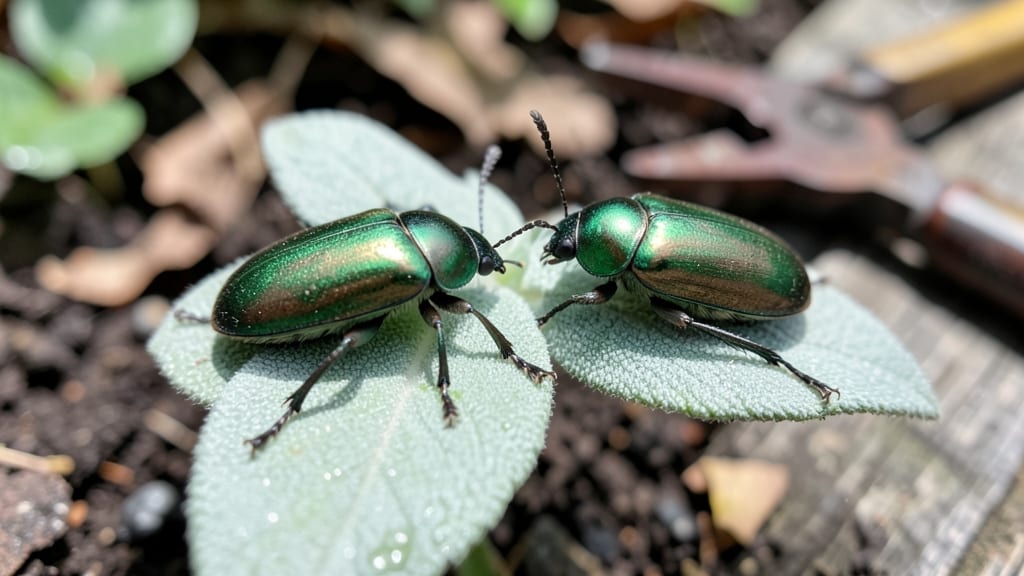
Those green garden insects buzzing around your garden aren’t all villains—they’re a wild mix of pests and plant protectors. 🌱 I’ve spent years watching aphids feast on roses while ladybugs swoop in to save the day, and the key is knowing who's who before deciding whether to relocate or welcome them.
The problem isn't just about green bugs—it's about timing and balance. Aphids and leafhoppers can wreck your plants overnight, while lacewings and hoverfly larvae keep them in check naturally. Most people panic and spray everything, but that kills the good guys too.
Instead, I've developed a simple 3-step system to identify, evaluate, and manage them without harming your garden's ecosystem.
By the end of this, you'll spot the difference between a harmless green fly and one that's about to turn your zucchini into Swiss cheese.
You'll also learn how to give the beneficial insects a helping hand—like setting up a water station or planting dill and fennel—so they stick around to do the dirty work for you.
This works year-round, but spring and summer are when the green army shows up strongest. The secret is acting fast when pests arrive but giving beneficial insects time to establish themselves first. Let's get your garden working with these tiny critters, not against them.
The Hidden Triggers Behind Visitors
When your garden becomes a buffet for green garden insects, it’s rarely a random attack—it’s a response to specific conditions you can control. Understanding these triggers helps you shift from reactive pest management to proactive prevention. Here’s why these tiny visitors show up uninvited.
Green insects like slugs, snails, and certain beetles thrive in damp, soggy conditions. Why? Excess moisture creates the perfect microclimate for their survival, while poor drainage prevents soil from drying out between waterings.
- Science behind it: Many pests rely on high humidity to avoid desiccation. Their eggs and young also need moisture to hatch successfully. If your soil stays wet for more than 24–48 hours, you’re signaling an open invitation.
- Actionable fix:
- Test your soil’s drainage by digging a 6-inch hole, filling it with water, and timing how long it takes to drain. If it’s slower than 4 hours, amend with compost or sand.
- Water deeply but less frequently—aim for 1–1.5 inches per week, letting the top inch of soil dry out between sessions.
Thick, leafy plants aren’t just a gardener’s pride—they’re a green garden insect magnet. Why? Dense foliage provides shelter, breeding grounds, and easy access to food. Plus, overgrown areas trap moisture, creating ideal hiding spots.
- Science behind it: Many pests, like aphids or earwigs, prefer plants with soft, tender leaves (e.g., basil, lettuce, or young seedlings). Others, like cutworms, hide in mulch or leaf litter during the day and emerge at night to feed.
- Actionable fix:
- Prune regularly to improve airflow and reduce humidity. Remove all plant debris—even fallen leaves—to eliminate hiding spots.
- Choose pest-resistant varieties (e.g., ‘Swiss Chard’ over ‘Romaine’ for fewer slugs) or intercrop with repellent plants like marigolds or garlic.
If your garden glows after dark, you’re accidentally luring in green garden insects like moths, beetles, and even predatory bugs that hunt them. Why? Many insects are drawn to light sources, mistaking them for moonlight or fireflies.
- Science behind it: Insects use light for navigation (a phenomenon called positive phototaxis). Bright or warm-toned lights (like white LEDs) disrupt their natural behaviors, causing them to cluster near your plants.
- Actionable fix:
- Switch to yellow, red, or amber bulbs (3000K or lower color temperature) for outdoor lighting—they’re less attractive to pests.
- Use motion-activated lights instead of always-on fixtures to minimize exposure.
- Avoid halogen or mercury vapor lights, which are the biggest culprits.
Green insects often surge during transitional seasons (spring/fall) or after heavy rains. Why? Temperature and humidity fluctuations trigger mating cycles, while warm, wet weather accelerates their reproduction rates.
| Season | Common Culprits | Why They Strike |
|---|---|---|
| Spring | Slugs, cutworms, aphids | Soil warms up, encouraging egg hatching. New plant growth is tender and nutrient-rich. |
| Fall | Earwigs, pill bugs, beetles | Cooler temps drive them indoors or into leaf litter. They seek shelter before winter. |
| After Rain | Snails, fungus gnats, soft-bodied insects | Standing water creates breeding grounds, and damp conditions make plants more vulnerable. |
Actionable fix:
- Monitor weather forecasts and pre-treat high-risk areas (e.g., spread diatomaceous earth before rain).
- Use row covers in early spring to block egg-laying pests before they hatch.
- Mulch with gravel or cedar chips (not organic mulch) to deter moisture-loving insects.
Pro Tip: 💡 Most green garden insects are opportunists—remove their “why,” and they’ll leave. Start with soil drainage and lighting, then layer in plant care. Small changes add up!
Quick Fixes for Garden Pests
Green garden insects—whether they’re beneficial or bothersome—can disrupt your garden’s balance. But don’t panic! With the right approach, you can restore harmony without harming your plants or the environment.
Below, we break down practical solutions for common issues, from overpopulation to misplaced critters, along with prevention tips to keep your garden thriving long-term.
If your garden is too lively with helpful bugs like ladybugs, lacewings, or ground beetles, they might be crowding out pollinators or competing for resources.
How to Relocate Them Gently
🔥 Use a Soft Brush or Jar Method
- Early in the morning (when insects are sluggish), gently brush them into a container with a damp cloth or mesh.
- Release them in a less crowded area of your garden or a nearby wildflower patch.
- Pro Tip: 🌡️ Avoid using water—it can stress or kill delicate insects.
👨🍳 Create a "Bug Hotel"
- Set up a small wooden box with holes filled with straw, bark, or pinecones.
- Place it in a quiet corner of your yard—beneficial insects will naturally migrate there for shelter.
🎯 Encourage Natural Spread
- Plant diverse flowers (like dill, fennel, or marigolds) to distribute their habitat across your garden.
- Avoid over-fertilizing—excess nitrogen attracts pests that may outcompete your helpful bugs.
If harmful insects (like aphids, slugs, or earwigs) are dominating, you’ll need a targeted but eco-friendly approach.
How to Evict Them Without Chemicals
🔪 Manual Removal (Best for Small Infestations)
- Aphids? Spray them off with a strong stream of water in the early morning.
- Slugs? Set out beer traps (bury a cup filled with beer—slugs crawl in and drown).
- Pro Tip: ✨ Use gloves and a flashlight at night to handpick earwigs and drop them in soapy water.
🥘 Natural Repellents & Barriers
- Neem oil spray (diluted) deters soft-bodied pests like mites and whiteflies.
- Diatomaceous earth (food-grade) creates a barrier that dehydrates crawling insects—sprinkle lightly around plants.
- Copper tape around pots or garden beds repels slugs and snails with a mild electric shock.
⏰ Rotate Plantings to Disrupt Cycles
- Interplant vulnerable crops (like lettuce) with strong-smelling herbs (basil, rosemary) to confuse pests.
- Avoid monocultures—pests thrive in single-crop areas. Instead, mix plant families (e.g., tomatoes with onions).
The best defense? A proactive garden ecosystem that keeps both beneficial and problematic insects in check.
Long-Term Strategies for Balance
💡 Diversify Your Plantings
- Include native plants, herbs, and wildflowers to attract a variety of pollinators and predators (like spiders and birds).
- Example: Alyssum draws parasitic wasps that eat aphids.
🌡️ Maintain Healthy Soil
- Compost regularly—healthy soil supports strong plants that resist pests.
- Reduce synthetic fertilizers—they can weaken plants and attract more pests.
🎯 Monitor & Act Early
- Weekly inspections (check undersides of leaves, stems, and soil) help catch issues before they spread.
- Use yellow sticky traps to monitor flying insect populations.
By relocating beneficial bugs, removing pests naturally, and preventing future problems, you’ll create a garden that’s balanced, productive, and pest-resistant—without harsh chemicals. 🌿✨
Frequently asked questions
How can I tell if green garden insects are helping or harming my plants?
Look for feeding patterns: beneficial bugs like lacewings and ladybugs eat aphids and mites, leaving behind chewed-up pests. Harmful ones like aphids or caterpillars create sticky residue, holes in leaves, or skeletonized foliage. Check undersides of leaves—predators often hide there while pests cluster on new growth.
What’s the safest way to remove green garden insects from my plants?
For soft-bodied pests like aphids, spray with a strong water stream in the morning. For slugs, use beer traps (bury a cup of beer near plants). For earwigs, handpick them at night with gloves. Always release beneficial bugs in shaded, damp areas to help them survive relocation.
Can I use neem oil on beneficial green garden insects?
Neem oil targets soft-bodied pests, but it can harm beneficial insects too if overused. Apply it only at dusk when pollinators are inactive, and avoid spraying flowers where bees gather. For ladybugs and lacewings, use kaolin clay or insecticidal soap instead—they’re gentler on predators.
Why do I see more green garden insects after rain?
Rain triggers egg hatching and attracts moisture-loving pests like slugs and fungus gnats. It also washes away natural predators, giving pests a temporary advantage. To prevent this, improve drainage and mulch with cedar chips (not organic mulch) to deter damp-loving insects.
How do I attract more beneficial green garden insects to my yard?
Plant dill, fennel, or marigolds—they’re magnets for ladybugs and lacewings. Add a shallow water source (like a damp sponge) for hydration, and leave some leaf litter for overwintering. Avoid pesticides, as they kill both pests and predators equally.