
Pests
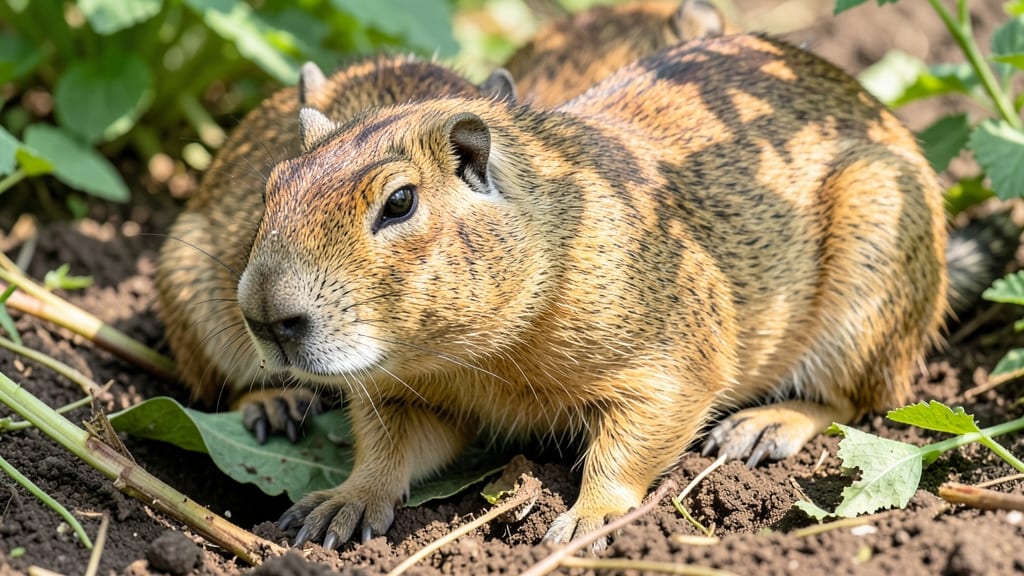
Groundhogs in the garden don’t just dig holes—they can destroy entire rows of vegetables overnight. 🌱 I’ve watched them turn a thriving garden into a maze of tunnels and chewed plants, but there’s a way to handle them quickly and humanely without harming the animals.
The key is acting fast before they expand their burrow system. Live traps work best when placed near fresh dig sites, and relocation needs to happen during their active season—spring or early fall.
Most gardeners assume fencing is the only answer, but a combination of traps, deterrents, and strategic barriers actually works faster and keeps them out for good.
By the end of this, you’ll have a plan that protects your plants while giving groundhogs a second chance. No more waking up to half-eaten tomatoes or collapsed raised beds. The best part? These methods work even in small gardens where space is limited.
We’ll cover everything from trap placement to post-relocation checks, so you can get back to gardening without the frustration. Here’s how to make it happen—fast and without the mess.
The Hidden Triggers Behind Burrowing Visitors
Groundhogs—also known as woodchucks—don’t just wander into your garden by accident. Their presence is almost always tied to specific environmental and behavioral cues. Understanding these triggers is the first step to preventing future visits or addressing existing ones.
Let’s dig into the science behind why these burrowing rodents choose your yard as their next project.
Groundhogs are primarily driven by three key needs: food, safety, and space. Your garden may unknowingly fulfill all three, making it an irresistible destination.
- 🍃 Abundant Plant Life Groundhogs are herbivores, and a garden packed with leafy greens, vegetables, or flowers is like an all-you-can-eat buffet. Plants like clover, beans, lettuce, and dandelions are particularly appealing.
Even ornamental plants with soft stems or broad leaves can attract them. - Actionable insight: If your garden is a salad bar, groundhogs will keep returning. Consider replacing high-risk plants with thorny shrubs (like roses or barberry) or herbs (such as rosemary or thyme), which they avoid.
- 🏡 Safe, Undisturbed Burrowing Spots Groundhogs prefer areas with loose, well-drained soil and minimal human activity. A garden with: - Open grassy patches (easy to dig) - Low traffic (fewer disturbances) - Nearby wooded edges or brush piles (natural cover) becomes an ideal real estate opportunity.
Their burrows can grow up to 20 feet long, with multiple chambers for nesting and food storage. - Actionable insight: If your yard has soft soil or unused corners, groundhogs will see it as prime digging territory. Compact the soil in high-risk areas or install burrow-resistant barriers (like heavy-duty wire mesh buried 2 feet deep).
- 🏡 Territorial Expansion Groundhogs are solitary but fiercely protective of their space.
If one successfully claims your garden, others may follow, especially if: - The original resident hasn’t been removed. - The area provides year-round resources (e.g., evergreen shrubs for winter cover). - Your property borders wooded areas or farmland, where groundhogs are already established. - Actionable insight: Remove existing burrows immediately (more on this in the removal section) to discourage new tenants.
If your property is near a known groundhog population, take preemptive deterrents seriously.
Groundhogs are highly attuned to seasonal changes, and certain conditions make your garden more inviting at specific times of the year.
- 🌱 Spring: The Digging Rush After hibernating through winter, groundhogs emerge in early spring (February–March) hungry and ready to establish territories.
They prioritize gardens with: - Fresh shoots and tender new growth (easy to eat). - Soft, thawing soil (ideal for burrowing). - Actionable insight: Mulch heavily in early spring to deter digging, or install temporary fencing (at least 3 feet high) to block access.
- ☀️ Summer: Heat and Water Draws Groundhogs seek shade and moisture during hot months.
Gardens with: - Drip irrigation or standing water (from sprinklers or low spots). - Dense foliage (for shade and nesting). become summer havens. - Actionable insight: Eliminate water sources (fix leaks, remove shallow dishes) and reduce dense ground cover to make the space less appealing.
- 🍂 Fall: Food Stockpiling As temperatures drop, groundhogs prepare for winter by caching food in burrows. Gardens with: - Overripe fruits or fallen nuts (easy snacks). - Unharvested crops (like corn or squash). are prime targets. - Actionable insight: Harvest crops promptly and remove fallen debris to reduce temptation.
Store firewood and compost piles away from garden edges.
- ❄️ Winter: Hibernation Hubs While groundhogs hibernate, their burrows become critical survival spaces.
If your garden already has an occupied burrow system, they’ll defend it aggressively come spring. - Actionable insight: Monitor for fresh diggings in late winter—this is a sign they’re already using the space. Seal off burrows (temporarily) with hardware cloth to discourage reuse.
Sometimes, well-meaning gardening practices unintentionally create a groundhog paradise. Here’s what you might be doing wrong:
- 🌿 Over-Fertilizing or Using Compost Piles Rich, nutrient-dense soil is a magnet for groundhogs. If your garden is too lush, it signals an easy food source.
- Fix it: Use balanced, slow-release fertilizers and avoid piling compost near garden edges.
- 🪴 Planting Groundhog Favorites Some plants are groundhog magnets. Avoid:
- Lettuce, spinach, and other leafy greens.
- Beans, peas, and other legumes.
- Tulips, irises, and daylilies (they love the bulbs!).
- Swap them for: Marigolds, snapdragons, or nasturtiums (groundhogs typically avoid these).
- 🌳 Ignoring Property Boundaries If your garden borders unused land, overgrown fields, or wooded areas, groundhogs will see it as an easy entry point.
- Fix it: Trim vegetation along property lines and install buried wire mesh (18–24 inches deep) to block tunneling.
- 🚫 Leaving Out Pet Food or Scraps Even small amounts of pet food, fallen fruit, or uneaten veggies can attract groundhogs.
- Fix it: Clean up thoroughly after meals and store trash in sealed bins.
Not all burrowing pests are groundhogs—moles, voles, and gophers also dig, but for different reasons. Here’s how to tell if groundhogs are the culprits:
| Sign | Groundhog Behavior | Other Pests |
|---|---|---|
| Burrow Size | Large holes (12–18 inches wide, 2–3 feet deep). | Moles: Small, shallow holes (voles/gophers: smaller, with plugged entrances). |
| Digging Pattern | Random, often near plants or shade. | Moles: Tunnel networks underground. |
| Time of Year | Most active spring–fall; hibernates winter. | Voles/gophers: Active year-round. |
| Plant Damage | Above-ground (chewed leaves, stems). | Gophers: Underground (roots, bulbs). |
| Droppings | Pellet-like, ¼-inch, near burrows. | Mice/voles: Tiny, scattered. |
- Pro tip: If you spot fresh digging in spring, set up a trail camera to confirm groundhog activity before acting. 🎯
Humane Removal & Prevention Solutions
Groundhogs may seem like harmless garden visitors, but their burrowing and munching can wreak havoc on plants, lawns, and even foundations. The good news? With the right approach, you can safely remove them and keep your garden protected.
Below are practical, step-by-step solutions tailored to the most common groundhog-related issues—plus prevention tips to stop future visits.
🔥 Burrowing & Tunnel Destruction
Groundhogs dig extensive tunnels that weaken soil, damage roots, and create unsightly mounds. If you’ve spotted fresh dirt piles or wobbly plants, act fast.
- 🍳 Live-Trap & Relocate (Best for Safety & Ethics) - Use a humane box trap (like the Havahart model) baited with apples, lettuce, or sweet corn—their favorite snacks! - Place the trap near fresh dig sites or along their travel paths (look for flattened grass or droppings). - Check traps twice daily (morning & evening) to avoid stressing the animal.
Once caught, contact a wildlife rehabilitator or licensed relocator (never release them near your home—they’ll return!). - Pro Tip: 💡 Sprinkle flour or cornmeal near the trap entrance to track their movements—it leaves a visible trail!
- 👨🍳 Block Entry Points (Immediate Damage Control)
- Fill tunnels with hardcore gravel, rocks, or sand to discourage further digging.
- Install chicken wire or hardware cloth (1/4-inch mesh) around vulnerable areas, burying it 12+ inches deep to prevent re-entry.
- For raised beds, wrap the perimeter with wire mesh before planting.
- 🥘 Plant Groundhog-Resistant Alternatives
- Swap vulnerable plants (like hostas, tulips, or young trees) for bitter-tasting or thorny varieties:
- Marigolds (strong scent deters them)
- Daffodils (toxic to groundhogs)
- Roses or barberry bushes (thorns act as a natural barrier)
- Swap vulnerable plants (like hostas, tulips, or young trees) for bitter-tasting or thorny varieties:
🍎 Garden Munching & Crop Destruction
If your veggies, flowers, or shrubs are being devoured overnight, groundhogs are likely the culprits. They prefer tender, young plants and can strip a garden bare in days.
- 🔪 Fencing: The Gold Standard
- Install a 3-foot-tall fence (groundhogs can climb!) with 12-inch outward-bending extensions at the base to prevent digging underneath.
- Use sturdy materials like wood, metal, or heavy-duty plastic—they’re strong chewers!
- Pro Tip: ✨ Motion-activated sprinklers (like ScareCrow) can startle them away without harm.
- 🌡️ Repellents (Non-Toxic Options)
- Spray repellents with hot pepper wax, garlic, or rotten eggs (reapply after rain).
- Predator urine (coyote or fox) can be sprayed around the garden perimeter—groundhogs avoid the scent.
- Ultrasonic devices (like the Neatmaster repeller) emit high-frequency sounds that irritate groundhogs but are harmless to humans and pets.
- 🎯 Remove Attractants
- Clear brush piles, tall grass, and dense shrubs near your garden—these provide cover.
- Store compost, pet food, and fallen fruit in metal or heavy-duty bins (groundhogs are opportunistic foragers).
- Avoid overwatering—damp soil attracts burrowing pests.
🏠 Structural Damage to Lawns & Foundations
Groundhog tunnels can undermine patios, sheds, or even house foundations, leading to costly repairs. If you hear scratching noises or see sinkholes, take action.
- ⏰ Professional Assessment First
- Before filling tunnels, have a structural expert check for hidden damage (especially near buildings).
- If tunnels are near plumbing or electrical lines, call a professional to avoid hazards.
- 🔧 Permanent Burrow Sealing
- Mix concrete or compacted gravel into tunnels to deter future digging.
- For large infestations, consider professional trapping services—they have the tools and permits for safe relocation.
- 🌿 Landscaping as a Deterrent
- Plant dense ground covers (like clover or creeping thyme) in high-risk areas—groundhogs prefer loose soil.
- Keep the lawn mowed short around property edges to reduce hiding spots.
Once you’ve removed the groundhogs, prevent reinfestation with these low-effort strategies:
| Prevention Method | How to Do It | Effectiveness |
|---|---|---|
| Secure Fencing | 3-foot tall + 12-inch outward bend | ⭐⭐⭐⭐⭐ |
| Remove Food Sources | Store trash/compost in sealed bins | ⭐⭐⭐⭐ |
| Motion-Activated Deterrents | Sprinklers or lights near garden edges | ⭐⭐⭐ |
| Natural Predator Scents | Coyote urine or predator decoys | ⭐⭐⭐ |
| Regular Inspections | Check for fresh dig sites weekly | ⭐⭐⭐⭐ |
Final Reminder: Groundhogs are protected in many states—always follow local wildlife laws before trapping or relocating. When in doubt, hire a licensed nuisance wildlife control operator for stress-free removal.
With these humane, practical solutions, your garden can stay groundhog-free while keeping these burrowing critters safe and far away! 🌱🚫🐿️
Frequently asked questions
How do I know if the holes in my garden are from groundhogs and not moles?
Groundhog holes are much larger—typically 12-18 inches wide—while mole tunnels create small, shallow mounds. Look for chewed plants or flattened grass trails leading to the holes, and check for pellet-like droppings (¼-inch) near the entrance. Groundhogs also dig randomly near plants, unlike moles that create underground tunnel networks.
Can I use poison or traps that harm groundhogs?
Never use poison—groundhogs are protected in many states, and it’s inhumane. Instead, opt for humane live traps (like Havahart) baited with apples or lettuce. Always check traps twice daily and relocate the animal at least 5 miles away to prevent return trips. Contact a wildlife rehabilitator for legal relocation help.
What’s the best time of year to deal with groundhogs in the garden?
Act in spring (March–May) when groundhogs are most active after hibernation, or in early fall (September–October) before winter. Avoid trapping during summer heat or winter hibernation—they’re less active and harder to relocate. Spring is ideal because you can spot fresh dig sites and remove them before they establish burrows.
Will a chicken wire fence keep groundhogs out?
Chicken wire is too flimsy—groundhogs can chew through it easily. Use hardware cloth (¼-inch mesh) or 3-foot-tall sturdy fencing with a 12-inch outward bend at the base to block digging. Bury the mesh 12+ inches deep for extra protection. For raised beds, wrap the perimeter before planting.
Are there plants that naturally repel groundhogs?
Yes! Groundhogs dislike marigolds, daffodils, and roses (thorns deter them). Plant garlic, thyme, or snapdragons around your garden edges—their strong scents act as natural repellents. Avoid planting lettuce, beans, or tulips, which attract them. Combine these with fencing for the best defense.