
Size
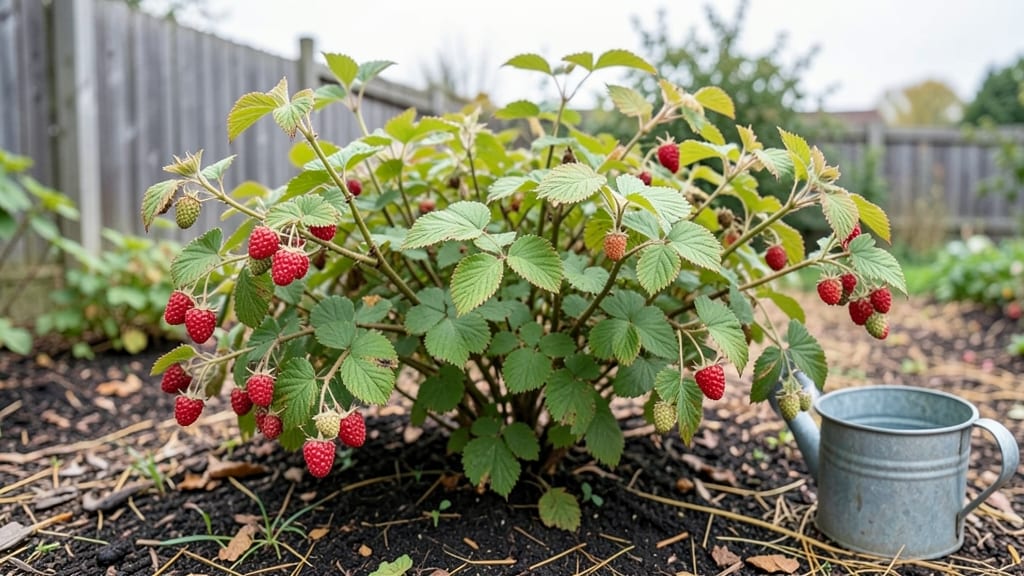
Growing garden berries in small spaces changed everything about how I think about summer harvests. 🌱 What started as a single strawberry pot on my balcony now produces enough berries for jam, smoothies, and sharing with neighbors—all without taking up yard space.
The key is choosing compact varieties and treating berries like any other vegetable: they need the right light, soil, and care to thrive, even in tight quarters.
You don’t need a big yard or fancy equipment—just a sunny spot, the right berry types, and a little patience. Strawberries, blueberries, and raspberries all have dwarf or container-friendly varieties that work in pots, raised beds, or even hanging baskets.
My blueberry bushes, for example, stay under 3 feet tall and produce enough fruit for a family of four. The soil mix matters most: berries hate soggy roots, so well-draining, acidic soil (for blueberries) or regular garden soil (for strawberries) sets them up for success.
By midsummer, you’ll be picking berries so sweet they taste like childhood memories. The plants reward good care with vibrant foliage, fragrant blooms, and fruit that’s sweeter than anything from the store. Pruning keeps them productive, and a few simple pest tricks (like companion planting) mean fewer headaches.
The best part? You can extend the harvest into fall with the right varieties and a little planning.
Whether you’re in a city apartment or a suburban backyard, these techniques work. Start small, scale up, and before you know it, you’ll have berries year-round—without the grocery store markup. Let’s get those plants in the ground!
📚 In This Guide
- What you need
- Instructions
- Tips and common mistakes
- Wrapping up and next steps
What you need
- ● Berry Plants: 2–4 plants (choose from strawberries, raspberries, blueberries, or blackberries—dwarf varieties work great for small spaces!)
- ● Note: Ever-bearing or day-neutral strawberries are ideal for containers.
- ● Containers or Garden Beds: 5–10 gallon pots (for strawberries) or raised beds (12" deep for root systems).
- ● Drill holes in pots for drainage (¼" diameter).
- ● Soil: 1–2 bags of well-draining potting mix (avoid garden soil—it compacts!).
- ● For blueberries: Acidic soil mix (pH 4.5–5.5) or peat moss + perlite blend.
- ● Fertilizer: Balanced organic fertilizer (10-10-10) or compost.
- ● For blueberries: Acid-loving plant fertilizer (e.g., cottonseed meal).
- ● Tools: Hand trowel or small shovel
- ● Pruning shears (for trimming canes)
- ● Gloves (to protect from thorns or soil)
- ● Mulch (straw or wood chips) to retain moisture and suppress weeds.
- ● Drip irrigation kit or spray nozzle for consistent watering.
- ● Trellis or stakes (for raspberries/blackberries to climb).
- ● Row covers (lightweight fabric to protect from pests or frost).
- ● pH test kit (to monitor soil acidity, especially for blueberries).
Step-by-Step instructions for growing garden berries in small spaces
Here’s how to cultivate four different berries together—even in tight quarters—using smart spacing and seasonal planning.
🌱 Step 1: Choose the Right Berry Varieties for Your Space
Start with compact, high-yielding varieties that thrive in containers or small garden beds. For 4 plants, I recommend 1 strawberry plant, 1 raspberry bush, 1 blackberry vine, and 1 blueberry bush—all chosen for their dwarf or patio-friendly growth habits. Strawberries spread horizontally, raspberries grow in tight clusters, and blueberries stay bushy with pruning.
Check your USDA hardiness zone—some berries need winter protection (like blueberries) while others (like everbearing raspberries) produce fruit twice a year. I always plant strawberries in spring and other berries in early fall for a staggered harvest. Avoid planting all berries in the same spot—rotate crops every 3-4 years to prevent soil depletion.
🪴 Step 2: Prepare Containers or Raised Beds
Use 5-gallon containers for strawberries and blueberries, 10-gallon pots for raspberries, and a 4-foot-long raised bed for blackberries. Containers need drainage holes—if yours don’t have them, drill them yourself. Fill with a well-draining potting mix (never garden soil—it compacts and suffocates roots). For blueberries, amend the mix with peeled pine bark to lower the pH to 4.5-5.5—they won’t fruit in alkaline soil.
Place containers in full sun (6+ hours daily) but give them afternoon shade in Zones 8-10 to prevent heat stress. If you’re using a raised bed, line the bottom with cardboard to block weeds, then fill with a 50/50 mix of potting soil and compost. Water everything deeply before planting to settle the soil—you’ll see it shrink slightly as it compacts.
☀️ Step 3: Plant and Mulch for Year-Round Growth
Plant strawberries by setting the crown (where leaves meet roots) ½ inch above soil level—burying it too deep causes rot. Space 6 inches apart in their container. For blueberries, dig a hole twice as wide as the root ball, place the plant in, and backfill with the acidic mix. Raspberry and blackberry canes go 3 feet apart in their containers or bed.
Mulch heavily with 3 inches of straw or wood chips (avoid cedar—it’s toxic to roots). This keeps soil cool, retains moisture, and suppresses weeds. Water deeply after planting, then every 2-3 days until new growth appears. You’ll know it’s enough when water runs out the drainage holes but doesn’t pool. Fertilize lightly with a balanced 10-10-10 formula 4 weeks after planting—berries hate rich soil.
✂️ Step 4: Prune and Train for Maximum Fruit
Strawberries send out runners—pinch them off in the first year to encourage bushier plants. In year 2, let 3-4 runners root and transplant them to new spots. For raspberries and blackberries, prune old canes in early spring—cut them back to the ground after harvest. New canes will emerge and produce fruit the following year. Blueberries need light pruning in late winter to remove dead wood and open the center for airflow.
Train blackberry vines along a trellis or wire cage to save space and improve air circulation. You’ll see fewer pests and better fruit exposure this way. Harvest strawberries when fully red, raspberries when deep red, blackberries when glossy black, and blueberries when they pop off easily. Never store unwashed berries—wash them in cool water right before eating to preserve flavor.
💧 Step 5: Extend the Season With Simple Tricks
In spring, protect early strawberries from frost with floating row covers. In fall, mulch heavily and wrap blueberry pots in burlap to insulate roots. For winter harvests, grow everbearing raspberries—they produce a second crop in late summer/fall. If space is tight, interplant strawberries with shallots or lettuce (they tolerate shade) until the berries spread.
Fertilize once in early spring with a low-nitrogen, high-potassium mix (like 5-10-10) to boost fruiting. Watch for aphids on strawberries—spray with soapy water if you see curled leaves. With these steps, you’ll get berries from late spring to early fall, even in a 4’x4’ footprint. The key? Prune ruthlessly, mulch like crazy, and water deeply but infrequently—berries hate soggy feet.
Tips & tricks for perfect year-round berry harvests
Small spaces don't mean small harvests—these tricks will help you maximize your berry garden's potential while keeping maintenance manageable.
Container Selection Matters: Don't just grab any pot! For strawberries and blueberries, 5-gallon containers are ideal because they provide enough root space without overwhelming your space. Look for containers with built-in drainage holes—if yours don't have them, drill them yourself using a ¼-inch drill bit. I've learned the hard way that proper drainage prevents root rot, especially for blueberries which are particularly sensitive to soggy conditions.
Soil pH is Non-Negotiable for Blueberries: In Step 2, when amending your soil mix for blueberries, don't skip the peeled pine bark. This isn't just about lowering pH to 4.5-5.5—it's about creating the perfect acidic environment that blueberries absolutely thrive in. I've tried using regular potting soil and ended up with plants that produced almost no fruit. Test your soil pH before planting using a simple kit from your garden center.
Watering Wisdom: The instructions mention watering every 2-3 days after planting, but timing matters more than frequency. Water deeply in the morning so the plants have all day to absorb moisture before evening. I've found that using a drip irrigation system or soaker hose prevents overwatering while keeping roots consistently moist. Let the top inch of soil dry out between waterings—this prevents soggy roots that invite disease.
Pruning Strategy: When it comes to pruning in Step 4, think of it as a conversation with your plants. For strawberries, pinching off runners in the first year might feel counterintuitive, but it forces the plant to focus energy on establishing a strong root system. For raspberries and blackberries, always prune after harvest—this gives you a clear visual of which canes produced fruit last season and which ones to remove completely.
Pro Tips for Grow A Garden Berries
- Small spaces don't mean small harvests—these tricks will help you maximize your berry garden's potential while keeping maintenance manageable.
- Container Selection Matters: Don't just grab any pot!
- Soil pH is Non-Negotiable for Blueberries: In Step 2, when amending your soil mix for blueberries, don't skip the peeled pine bark.
Frequently asked questions
What’s the easiest berry to grow for beginners?
Strawberries and raspberries are the most beginner-friendly! They’re hardy, fast-growing, and thrive in containers or small plots. Strawberries produce fruit in the first year, while raspberries may take a season but reward you with minimal fuss. Pro tip: Choose everbearing varieties for year-round harvests!
How long does it take for berries to grow after planting?
Most berries take 1–2 years to bear fruit, depending on the type:
- Strawberries: 4–6 weeks after planting (first year).
- Blueberries: 2–3 years (patience pays off!).
- Raspberries/Blackberries: 1–2 years for primocanes; canes produce fruit the following year.
Why aren’t my berry plants producing fruit?
Common culprits include:
- Insufficient sunlight: Berries need 6+ hours/day (8+ for best yields).
- Poor soil: Test pH (blueberries love 4.5–5.5; others prefer 6.0–6.8).
- Over/under-fertilizing: Too much nitrogen = leafy growth, no fruit. Use a balanced 10-10-10 or berry-specific fertilizer.
- Young plants: Wait until they’re established (1–2 years).
Can I grow berries in hot climates or small spaces?
Yes!
Try these space-saving, heat-tolerant options:
- Vertical gardening: Use trellises for raspberries or hanging baskets for strawberries.
- Dwarf varieties: ‘Alpine’ strawberries or ‘Titan’ blackberries fit tight spots.
- Shade solutions: Plant near trees (but ensure 4+ hours of sunlight); use shade cloth in peak summer.
- Heat-loving picks: ‘Seascape’ strawberries or ‘Darrow’ blackberries thrive in warmth.
What’s the best way to extend the berry harvest season?
Combine these strategies for year-round berries:
- Successive planting: Space out strawberry plants every 2–3 weeks.
- Cold frames/row covers: Protect plants in fall/winter for early spring fruit.
- Everbearing varieties: ‘Tristar’ strawberries or ‘Heritage’ raspberries produce 2–3 harvests/year.
- Greenhouse growing: Extend seasons for blueberries or grapes.
Wrapping up and next steps
Growing your own berries is a rewarding journey that brings fresh, flavorful fruit to your table while maximizing even the smallest of spaces. Whether you’re cultivating strawberries in hanging baskets, blueberries in containers, or raspberries along a trellis, the key is patience, consistency, and a little creativity.
With the right variety, soil, and care, you’ll soon enjoy a year-round harvest that’s as satisfying as it is delicious!
Ready to take the next step? Start small with one or two berry plants, experiment with different varieties, and watch your green thumb grow. Happy gardening—your future berry feasts await! 🍓🌱