
Tools
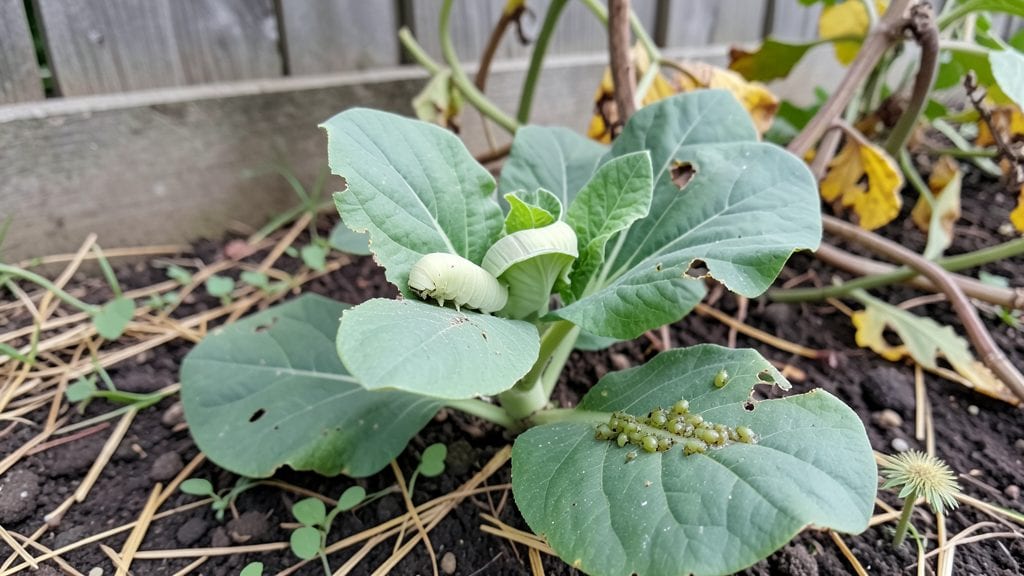
Home garden pests turn your hard work into a buffet for hungry bugs. 🌱 I’ve lost count of the times aphids stripped my roses bare or slugs turned my lettuce into lace—until I discovered this foolproof spray that keeps pests off without harming plants or your conscience.
The secret isn’t fancy equipment or rare ingredients—just a few kitchen staples mixed right. You’ll need one gallon of water, a tablespoon of dish soap (the kind without fragrances), a teaspoon of vegetable oil, and a handful of garlic or hot peppers for the kick.
It’s cheap, fast, and works on aphids, mites, and even tomato hornworms.
What you’ll get is a garden where pests think twice before landing. No more sticky traps or chemical residue—just plants that stay lush and productive while bugs stay far away. Best part? It’s safe to spray right before harvest, so you can enjoy your veggies without waiting.
Works in containers, raised beds, or in-ground gardens—anywhere pests crash your party. Let’s make your yard the last stop on their menu.
Root Causes Of Garden Invaders
Your home garden isn’t just a sanctuary for your plants—it’s also an all-you-can-eat buffet for pests. Understanding why these critters show up in the first place is the key to keeping them at bay.
Here’s a breakdown of the most common triggers, explained in simple terms so you can take action.
When plants are packed too closely together, they compete for sunlight, water, and nutrients. This stress weakens their natural defenses, making them more vulnerable to pests. Overcrowding also creates the perfect hiding spots for insects like aphids, spider mites, and whiteflies, which thrive in shaded, humid conditions.
Why it happens:
- Poor spacing: If seedlings or mature plants are too close, airflow is restricted, leading to moisture buildup on leaves—a pest magnet.
- Thinning neglect: Many gardeners forget to thin out seedlings or prune overgrown branches, leaving dense clusters that pests exploit.
- Monoculture planting: Growing the same type of plant in large patches (like a massive tomato bed) attracts species-specific pests that target those plants exclusively.
Actionable fix: Follow spacing guidelines for each plant type (check seed packets or plant tags). Thin seedlings early, and interplant diverse crops to disrupt pest cycles.
Pests love moisture—it’s like a five-star hotel for slugs, snails, and fungal-loving insects. Too much water (or the wrong kind) creates the ideal breeding ground for garden invaders.
Why it happens:
- Overwatering: Soggy soil and damp foliage attract soft-bodied insects like aphids and mites, which thrive in humid environments.
- Poor drainage: Water pooling around roots or in saucers encourages slugs, snails, and fungus gnats, which lay eggs in moist soil.
- Irrigation habits: Watering from above (especially in the evening) keeps leaves wet longer, inviting fungal pests and diseases.
Actionable fix:
- Water deeply but infrequently—aim for the soil, not the leaves.
- Use drip irrigation or soaker hoses to reduce foliage moisture.
- Improve soil drainage with compost or raised beds to prevent waterlogging.
A plant that’s malnourished is like a fortress with crumbling walls—easy pickings for pests. When plants lack essential nutrients, their chemical defenses weaken, making them more attractive (and easier to eat) for insects and rodents.
Why it happens:
- Poor soil quality: Soil depleted of nitrogen, phosphorus, or potassium stresses plants, making them less resistant to pests.
- Imbalanced fertilizers: Too much nitrogen (common in fast-release fertilizers) can lead to soft, tender growth that pests love to munch.
- Micronutrient gaps: Deficiencies in calcium, magnesium, or zinc weaken plant cell walls, inviting borers and chewers.
Actionable fix:
- Test your soil and amend it with compost or organic matter to boost nutrients.
- Use balanced, slow-release fertilizers (like 10-10-10) to avoid overfeeding nitrogen.
- Apply foliar sprays with micronutrients (like seaweed extract) for a quick boost.
Leaves, weeds, and garden debris aren’t just eyesores—they’re pest hiding spots and breeding grounds. Many insects and rodents use organic matter as shelter, food, and even nesting sites.
Why it happens:
- Mulch buildup: Thick layers of mulch (especially near plant stems) trap moisture and attract slugs, earwigs, and fungus gnats.
- Weeds and volunteers: Unwanted plants harbor pests like cabbage worms, flea beetles, and cutworms, which jump to your prized crops.
- Old plant material: Dead leaves, stems, and fallen fruit provide hibernation sites for overwintering pests like aphids and beetles.
Actionable fix:
- Keep mulch 2–3 inches deep and pull it away from plant stems.
- Remove weeds and debris regularly—especially after harvest.
- Practice clean cultivation: Till or remove old plant material before pests can use it as a shelter.
Some plants and garden practices actively invite pests because they provide food, shelter, or even pheromone signals that pests follow like a scent trail.
Why it happens:
- Scent-based lures: Strong-smelling herbs (like dill or fennel) attract swallowtail butterflies, which lay eggs that hatch into destructive caterpillars.
- Sweet nectar traps: Overripe fruit or honeydew-producing pests (like aphids) draw in ants, wasps, and other scavengers.
- Plant stress signals: Damaged or stressed plants release volatile organic compounds (VOCs) that pests detect from miles away.
Actionable fix:
- Remove overripe or fallen fruit promptly to avoid attracting pests.
- Interplant repellent herbs (like basil, mint, or marigolds) to mask attractive scents.
- Prune or treat stressed plants immediately to prevent pest alerts.
Now that you know why pests crash your garden party, the next step is DIY solutions that keep them out without harming your plants. Stay tuned!
Fixing Common Garden Invaders
Now that you know what’s munching on your plants, let’s tackle those pests with effective, plant-safe solutions—no harsh chemicals required! Below are targeted fixes for the most common culprits, along with prevention tips to keep your garden thriving long-term.
Cause: These sap-sucking insects cluster on new growth, leaves, and stems, leaving behind sticky residue (honeydew) that attracts mold. Fix It:
- 🔥 Blast Them Off – Spray plants with a strong stream of water (especially undersides of leaves) to dislodge aphids.
- 🍳 Soapy Water Solution – Mix 1 tsp mild dish soap + 1 quart water in a spray bottle. Test on a small leaf first, then spray directly on aphids. Repeat every 3–4 days until gone.
- 👨🍳 Introduce Predators – Ladybugs, lacewings, and parasitic wasps love aphids. Buy them online or attract them with neem oil sprays (aphids hate the smell!).
💡 Prevention Tip: Encourage strong airflow around plants—aphids thrive in crowded, humid spots. Also, remove infected leaves immediately to stop the spread.
Cause: These slimy pests leave irregular holes in leaves and flowers, especially after rain or at night. Fix It:
- 🥘 Beer Trap – Bury a shallow dish filled with beer (yeast attracts them). Check daily and dispose of trapped slugs.
- 🔪 Copper Barrier – Wrap copper tape around pots or garden beds. Slugs get a painful shock when they touch it.
- 🌡️ Diatomaceous Earth (DE) – Sprinkle food-grade DE around plants. It’s non-toxic but deadly to slugs by dehydrating them. Reapply after rain.
💡 Prevention Tip: Water in the morning (not evening) so slugs dry out. Also, remove hiding spots like mulch piles or boards near plants.
Cause: These chewers leave swiss-cheese-like holes in leaves, often from tomato hornworms, cabbage loopers, or cutworms. Fix It:
- 🔪 Handpick & Drown – Check plants daily (especially undersides of leaves). Drop caterpillars into soapy water to kill them.
- 🍳 Bacillus Thuringiensis (Bt) – A natural bacteria (sold as a powder or spray) that only harms caterpillars, not plants or beneficial insects.
- 🌿 Plant Sacrificial Traps – Grow nasturtiums or marigolds nearby—caterpillars may go for these instead of your veggies.
💡 Prevention Tip: Rotate crops yearly to disrupt caterpillar life cycles. Also, remove egg masses (they look like tiny white clusters) before they hatch.
Cause: While ants don’t eat plants, they farm aphids (protecting them for honeydew). Their trails can also disturb soil. Fix It:
- 🔥 Vinegar Barrier – Mix equal parts water and white vinegar, spray along ant trails. The smell disrupts their scent markers.
- 🥘 Cinnamon or Chalk Line – Sprinkle cinnamon powder or chalk around plant bases. Ants avoid crossing these lines.
- 🌿 Disrupt Their Colony – Find their nest (usually near moisture) and pour boiling water directly into it (safe for plants if done carefully).
💡 Prevention Tip: Keep garden beds tidy—ants love hiding in leaf litter and debris. Also, avoid overwatering near foundations.
No matter the pest, these universal tips will make your garden less inviting: - 🌿 Companion Planting – Pair plants that repel pests naturally (e.g., basil with tomatoes, garlic with roses). - 🌡️ Healthy Soil = Strong Plants – Use compost and organic matter to boost plant resilience. - 🔍 Early Detection – Inspect plants weekly (especially new growth).
Catch pests before they spread! - 🌿 Neem Oil Spray – A versatile, non-toxic spray that deters aphids, mites, whiteflies, and more. Mix 1 tbsp neem oil + 1 tsp mild soap + 1 quart water, spray every 7–10 days.
✨ Pro Tip: Always test sprays on a small leaf first—some plants (like succulents) are sensitive to even natural solutions! When in doubt, handpick pests or use physical barriers (row covers, copper tape) for a zero-chemical approach.
Frequently asked questions about garden invaders
What are the most common garden pests I’ll encounter?
Aphids, slugs, caterpillars, and ants top the list for most home gardens. Aphids cluster on new growth, slugs leave slime trails at night, caterpillars create Swiss-cheese holes in leaves, and ants "farm" aphids for their honeydew. Each thrives in different conditions—aphids love humidity, slugs need moisture, and ants follow scent trails.
Is it safe to use dish soap in my homemade pest spray?
Yes, but only mild, fragrance-free dish soap in small amounts. Mix 1 teaspoon per quart of water—this breaks down pests' protective coatings without harming plants. Avoid harsh soaps or detergents, which can damage foliage. Always test on a small leaf first to check for sensitivity.
How often should I apply natural pest repellents?
For most sprays (like neem oil or soapy water), apply every 7-10 days or after heavy rain. Physical barriers (copper tape, row covers) need weekly checks for damage. Beer traps for slugs should be refreshed daily. The key is consistency—pests rebound quickly if solutions stop.
Will these methods work on established infestations?
For severe cases, you may need multiple applications over 2-3 weeks to fully eliminate pests. Start with manual removal (handpicking, beer traps) while applying sprays. Combine with preventive measures like companion planting and proper spacing. Severe infestations often require professional intervention for long-term control.
Can I use this spray on edible plants right before harvest?
The DIY spray in this guide uses food-safe ingredients (garlic, oil, soap) that can be applied up to harvest day. Always rinse produce thoroughly before eating. Avoid commercial pesticides with "wait times" listed on labels—these require specific clearance periods.