
Tools
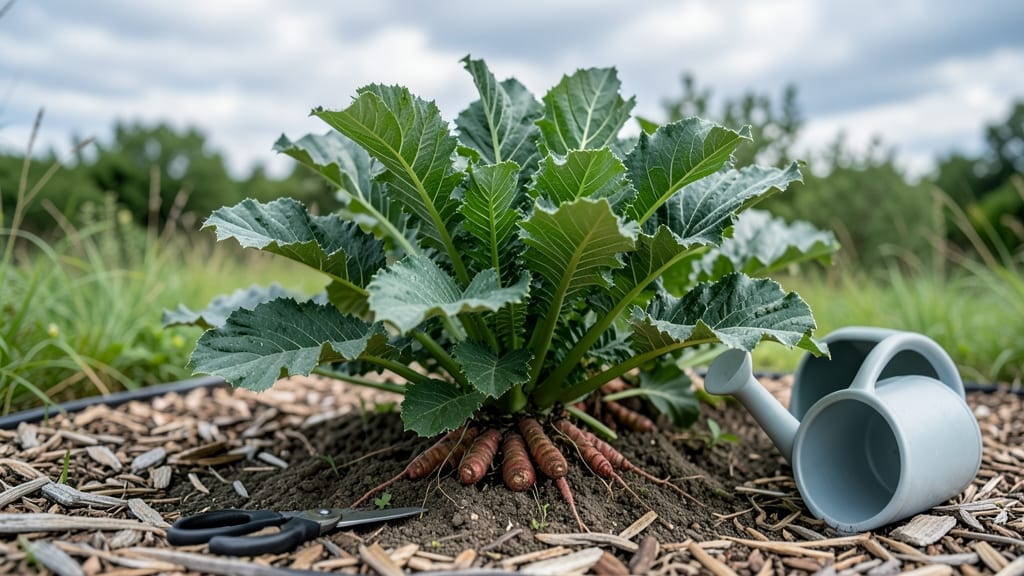
Growing horseradish in your garden delivers a peppery punch that store-bought roots can’t match—though controlling its spread takes strategy. 🌱 I’ve learned that planting this hardy perennial in a designated corner with rich soil and patience pays off with harvests that last for years.
The key isn’t just digging a hole; it’s understanding how to guide its aggressive growth while keeping it manageable.
You’ll need a sunny spot with at least 6 hours of direct light daily, well-draining soil amended with compost, and plenty of space—horseradish roots can wander 10+ feet if unchecked.
Start with 1-2 pound roots (not seeds) in early spring or fall, planting them 2 inches deep and 12 inches apart. Water consistently to keep the soil moist but not soggy, and mulch to suppress weeds that compete for nutrients.
By late summer, you’ll harvest thick, finger-length roots with that signature sharp kick. The secret to taming its spread? Regular division—dig up and split clumps every 2-3 years to refresh vigor.
Use the roots fresh, fermented, or grated into sauces, but always wear gloves when handling the raw plant—its juice can irritate skin.
Perfect for gardeners who love bold flavors and don’t mind a little maintenance. With the right setup, you’ll enjoy fresh horseradish for years—just keep those roots in check! Here’s how to start yours today.
📚 In This Guide
- What you need
- Instructions
- Tips and common mistakes
- Wrapping up and next steps
What you need
- ● Horseradish Plants or Roots: 1–3 mature horseradish roots (preferably organic, 2–3 inches in diameter) or
- ● Seedlings (if available, though roots are more common for home gardens).
- ● Garden Space: Full sun (6+ hours daily) or partial shade (4–6 hours).
- ● Well-draining soil (sandy loam ideal; pH 6.0–7.0).
- ● Space: 18–24 inches between plants (horseradish spreads!).
- ○ Soil Amendments (Optional but Helpful): Compost (1–2 gallons per planting hole).
- ● Balanced fertilizer (10-10-10, 1 tbsp per plant at planting).
- ● Tools: Garden trowel or shovel.
- ● Pruners (for harvesting and trimming).
- ● Garden gloves (horseradish roots can be spicy to handle!).
- ● Watering can or hose with a gentle spray nozzle.
- ● Mulch (straw or wood chips) to retain moisture and suppress weeds.
- ● Row covers (if planting early/late to protect from frost).
- ● Pest deterrents (neem oil or diatomaceous earth for aphids).
- ● Containers (5+ gallon pots with drainage if growing in urban spaces).
Step-by-Step guide to growing mild horseradish in your garden
Skip the fiery grocery store variety and grow your own milder, sweeter horseradish with these precise steps.
🌱 Step 1: Select and Prepare Your Planting Site
Horseradish thrives in full sun with at least 6 hours of direct light daily, but it tolerates partial shade in hotter climates. Choose a spot with well-draining soil—this plant hates soggy roots. If your soil is heavy clay, amend it with 2-3 inches of compost mixed into the top 12 inches before planting.
I always test soil pH first—horseradish prefers 6.0-7.0. If yours runs acidic, add a handful of crushed limestone per square foot. The key here is patience: horseradish roots take 2-3 years to reach full maturity, so pick a permanent spot you won’t disturb.
🪴 Step 2: Plant Root Cutting or Seeds
For fastest results, plant 1-inch root cuttings with at least one "eye" (a small bud) in early spring after the last frost. Cut fresh roots from a store-bought horseradish—just peel the skin and slice into pieces. Plant them 2 inches deep, 12 inches apart in rows 18 inches apart.
If starting from seed (slower but more variety), sow seeds ½ inch deep in late spring after soil warms to 50°F. Thin seedlings to 12 inches apart once they develop 2-3 true leaves. Here's the thing—horseradish spreads aggressively. I always install landscape fabric barriers around the perimeter to contain roots from wandering into walkways.
☀️ Step 3: Maintain Consistent Moisture and Weed Control
Water deeply once weekly during dry spells, aiming for 1 inch of water per week. Let the top 2 inches of soil dry slightly between waterings—horseradish roots rot easily in soggy conditions. Mulch with 2 inches of straw or wood chips to retain moisture and suppress weeds.
Weeds compete fiercely with horseradish. I pull them weekly—this plant’s slow start means it can’t outcompete invaders. Fertilize lightly in spring with 5-10-10 granular fertilizer at ½ pound per 100 square feet. Too much nitrogen makes leaves grow at the expense of root development, which is what you’re after.
✂️ Step 4: Harvest and Prune for Mild Flavor
For the mildest flavor, harvest roots in fall of the first year when they reach 4-6 inches long. Wait until first frost to dig up roots for storage—cold weather converts starches to sugars, mellowing the heat. Use a fork to loosen soil around roots, then pull gently. Trim leaves back to 4 inches to redirect energy to root growth.
Real talk: horseradish roots multiply underground. If you want to control spread, dig up and divide roots every 2-3 years, keeping only the healthiest pieces. Store harvested roots in sand or sawdust in a cool, dark place—they’ll keep for months. The longer you wait to harvest, the stronger (and hotter) the flavor becomes.
⏰ Step 5: Overwinter and Plan for Next Season
In colder zones (below Zone 5), cut back foliage to 2 inches after first frost and mulch heavily with 6 inches of straw. Horseradish is hardy to -20°F, but protection prevents winterkill. In spring, remove mulch and fertilize lightly with compost tea to jumpstart growth.
Here’s where it gets fun—you can propagate new plants from any root pieces left after harvest. Just store them in moist sand over winter and replant in spring. Each piece with an eye will grow into a new plant. With proper care, your horseradish patch will produce for decades, giving you bold flavor without the grocery store’s fiery punch.
Tips & tricks for perfect horseradish garden cultivation
Growing mild horseradish requires patience and precision—here's what I've learned to ensure your garden thrives from planting to harvest.
Soil Preparation Secret: The 2-3 inches of compost mixed into the top 12 inches of soil isn't just about drainage—it's about creating the perfect microbial environment for root development. I always add a handful of worm castings to this mix, which introduces beneficial microbes that help break down organic matter faster. These microbes also create tiny air pockets that prevent waterlogging, which is critical since horseradish roots rot easily in soggy conditions. The key is working the compost in thoroughly; don't just top-dress.
Planting Precision: When planting those 1-inch root cuttings 2 inches deep in Step 2, pay special attention to the "eye" (bud). Position it upward—this ensures the root grows straight rather than crooked. I've found that using a dibble or pencil to make precise planting holes makes all the difference. For seed starters, don't rush the thinning process—wait until seedlings have 2-3 true leaves before removing weaker ones. This gives them enough energy reserves to establish strong root systems.
Watering Wisdom: The once-weekly watering guideline in Step 3 works perfectly in most climates, but here's the thing about horseradish: it's surprisingly drought-tolerant once established. I've successfully grown it with just ½ inch of water weekly after the first year, but during the critical first growing season, stick to the full 1 inch. Use a rain gauge or tuna can to measure—eyeballing water amounts leads to inconsistent moisture levels. The top 2 inches of soil drying between waterings is your visual cue that it's time to water again.
Harvest Timing Strategy: That first frost timing in Step 4 is your flavor sweet spot. The cold weather converts starches to sugars, mellowing the heat while intensifying sweetness. I always mark my calendar for the first frost date and plan to harvest 2-3 days before. For fall harvests when roots reach 4-6 inches, I use a garden fork to gently loosen soil in a circular motion around the plant before pulling—this prevents root damage. Store harvested roots in a cool, dark place with sand or sawdust; the moisture retention helps maintain freshness for months.
Pro Tips for Horseradish In Garden
- Growing mild horseradish requires patience and precision—here's what I've learned to ensure your garden thrives from planting to harvest.
- Soil Preparation Secret: The 2-3 inches of compost mixed into the top 12 inches of soil isn't just about drainage—it's about creating the perfect microbial environment for root development.
- Planting Precision: When planting those 1-inch root cuttings 2 inches deep in Step 2, pay special attention to the "eye" (bud).
Frequently asked questions
Got questions about growing horseradish in your garden? You’re not alone! Here are some of the most common queries—plus straightforward answers to help you cultivate this fiery root like a pro.
When is the best time to plant horseradish?
Plant horseradish in early spring (as soon as the soil is workable) or late summer for a fall harvest. It thrives in cool weather and can handle light frosts. Avoid planting in hot summer months—it may bolt (go to seed) prematurely. For best results, aim for a spot with 6–8 hours of sunlight daily.
How do I control the spread of horseradish in my garden?
Horseradish is notorious for spreading aggressively via underground runners. To contain it, plant in a deep, narrow trench (12–18 inches wide) lined with landscape fabric or a sturdy barrier (like hardware cloth). Alternatively, grow it in containers with drainage holes—just be prepared for some root pruning!
How long does it take for horseradish to mature?
Patience is key! Horseradish roots take 3–4 years to reach full maturity and develop their signature kick. You can harvest smaller, milder roots as early as the second year, but the flavor intensifies with age. For the boldest taste, wait until the plant is 4+ years old.
Can I grow horseradish from store-bought roots?
Yes! Save a small piece of root (with an "eye" or bud) from store-bought horseradish, let it dry for a day, then plant it 2–3 inches deep in moist soil. Avoid using pre-sliced horseradish (like in jars)—it won’t regrow. For best success, choose organic, whole roots from the grocery store.
What pests or diseases should I watch for?
Horseradish is generally low-maintenance, but keep an eye out for cabbage worms (handpick them!) and root maggots (use row covers early in the season). Fungal issues like white rust can occur in wet conditions—improve drainage and avoid overhead watering to prevent problems.
Pro Tip:
If you’re short on space, try growing horseradish alongside asparagus or rhubarb—they share similar care needs and can help suppress weeds. Just remember: Horseradish is a perennial, so it’ll stick around for years!
Wrapping up and next steps
Growing your own horseradish is a rewarding journey that brings bold, fresh flavor straight to your kitchen—without the harsh store-bought bite! 🌱 Whether you’re a seasoned gardener or a curious beginner, this spicy root thrives with minimal effort and delivers big rewards.
Start small with a single plant, experiment with varieties, and soon you’ll be harvesting enough to spice up everything from classic horseradish sauce to tangy marinades.
Ready to take the next step? Plant your seeds or roots this season—your taste buds (and dinner guests) will thank you! For extra inspiration, check out creative recipes or companion planting tips to maximize your garden’s potential. Happy growing! 🌿