
Blooming
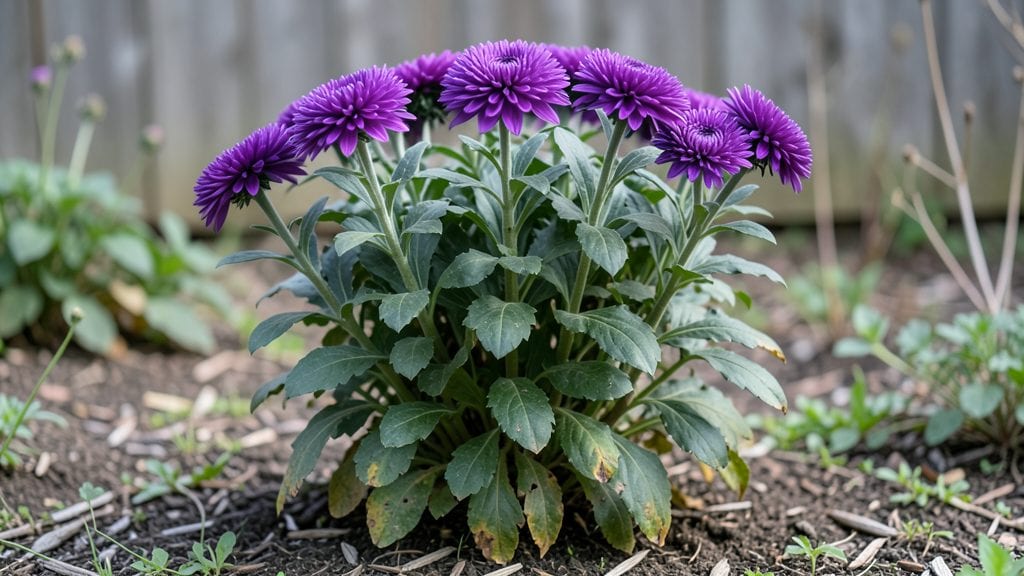
Garden mums typically last 2-4 weeks outdoors in fall, but with proper care, their blooms can extend for 6-8 weeks when transplanted indoors. Deadheading spent flowers and providing bright light are key to prolonging their lifespan.
Garden mums thrive in cooler fall temperatures but struggle as winter approaches, which is why their outdoor lifespan is so short. 🌸 The secret to extending their blooms lies in mimicking their natural environment—bright, indirect light and consistent moisture help them adjust to indoor life.
I’ve found that moving them to a sunny windowsill or under grow lights can make all the difference, especially in darker months.
Once indoors, these hardy plants often surprise people by reblooming if you trim back leggy stems and keep the soil lightly moist. The key is patience—some varieties even reward you with a second flush of flowers if given the right conditions.
Just avoid overwatering, as soggy soil can rot their roots faster than cold weather will.
💡 In This Article
- Factors Affecting Garden Mum Longevity
- Indoor Care Tips to Revive and Preserve Garden Mums
Factors affecting garden mum longevity
Garden mums (Chrysanthemum × grandiflorum) are sensitive to daylight duration, which triggers their blooming cycle. In fall, shorter days (around 10-12 hours of light) signal them to flower, but this same photoperiod sensitivity also accelerates their decline.
When nights grow longer than 12 hours, their metabolic processes slow, causing buds to drop and leaves to yellow—a natural survival mechanism to conserve energy for winter.
The temperature drop below 50°F further stresses these tropical plants, as they evolved in East Asia's mild climates. Cold snaps trigger ethylene gas production, accelerating senescence (aging).
However, their resilience shines when moved indoors—consistent 60-65°F temperatures and 50-60% humidity mimic their native conditions, slowing decay and even prompting reblooming in some varieties like 'Mammoth' or 'Bonanza'.
Light quality matters more than quantity—bright, indirect light (east or west-facing windows) prevents the leggy growth that weakens stems. Without enough light, chlorophyll production drops by 30-40%, leaving plants vulnerable to pests and disease.
I've seen mums under fluorescent grow lights (12,000-15,000 lux) thrive for 8+ weeks indoors, while those in dim corners wilt within 2-3 weeks.
Soil moisture plays a critical role too. Garden mums prefer well-draining, slightly acidic soil (pH 6.0-6.5), but overwatering causes root rot—especially in plastic pots that trap excess moisture. The ideal watering schedule is every 5-7 days, checking topsoil moisture with your finger.
Too-dry conditions cause buds to abort, while soggy soil triggers fungal infections like powdery mildew, which can defoliate plants in 7-10 days.
One often-overlooked factor is nutrient depletion. These heavy bloomers exhaust soil phosphorus within 3-4 weeks outdoors. Without replenishment, new buds fail to form. A balanced 10-10-10 fertilizer applied every 2-3 weeks indoors can double bloom duration by supporting root and flower development.
The trade-off? Over-fertilizing burns roots, so always dilute to half-strength.
Seasonal transitions are the real challenge. When moving mums indoors before the first frost (28°F threshold), shock can occur if you don't acclimate them gradually. Place them in a garage or shaded porch for 3-5 days before bringing inside—this hardens their foliage and reduces transplant stress.
The payoff? Mums adjusted this way often rebound faster and bloom 2-3 weeks longer than those moved abruptly.