Light Requirements
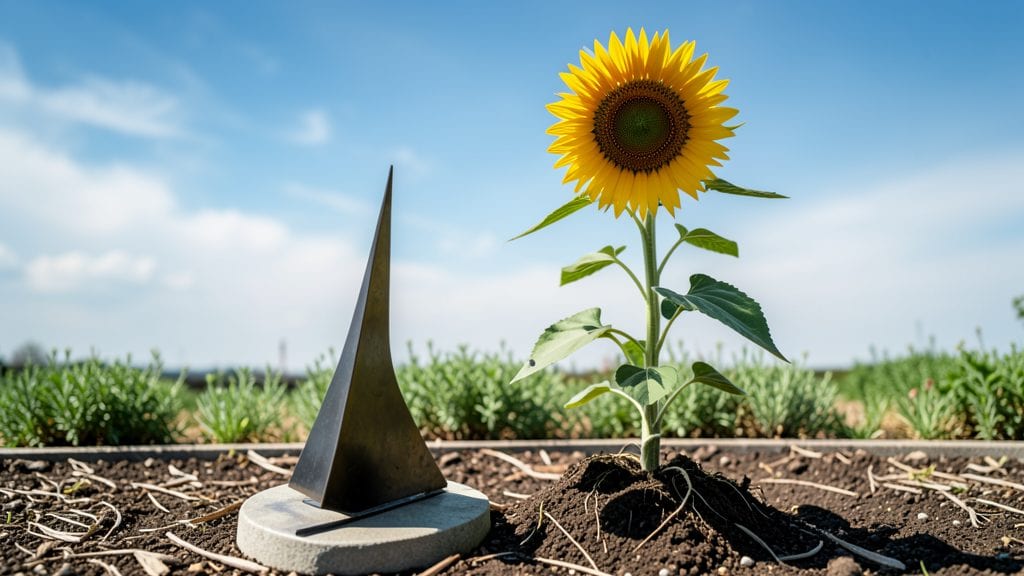
To determine how many hours of sun a garden needs, aim for 4 to 10 hours daily, with full-sun plants requiring 6-10 hours, partial-shade plants 3-6 hours, and shade-loving plants less than 3 hours. Too much or too little light can harm plant health.
Sunlight isn't just about total hours—it's about quality and consistency. 🌞 Most plants thrive with direct sunlight, but some, like ferns or astilbe, prefer dappled shade. I’ve found that morning sun (cooler and less intense) works better for tender plants than harsh afternoon rays.
Even a 1-2 hour difference in exposure can mean the difference between lush blooms and stressed foliage.
Your garden’s microclimate matters too. South-facing spaces get more sun, while north-facing areas may need shade solutions. Grouping plants by light needs—like placing sun-lovers near the fence and shade-tolerant ones under trees—maximizes efficiency. Vertical gardens are a game-changer for small spaces, letting you stack plants with varying light preferences.
💡 In This Article
- Sunlight Requirements by Plant Category
- Adjusting Garden Layout for Sunlight Efficiency
Sunlight requirements by plant category
Photosynthesis efficiency isn't linear—it peaks at different light thresholds depending on the plant. Full-sun plants like tomatoes and lavender thrive with 6-10 hours of direct sunlight because their leaves have specialized cells that maximize energy capture.
These plants can handle intense light because their chlorophyll absorbs 90% of available photons during peak hours, converting them into glucose at near-optimal rates. The trade-off? Too much sun without adequate water causes oxidative stress, leading to crispy leaf edges or sunburn.
Partial-shade plants like hostas and impatiens operate at 3-6 hours of sunlight because their leaves contain lower chlorophyll concentrations. Their photosynthesis plateaus after 4 hours of direct light—beyond that, excess energy creates harmful free radicals.
The ideal scenario is morning sun (cooler, less intense) paired with afternoon shade, which mimics their natural understory habitats. Think of them as the Goldilocks of gardening: not too much, not too little, but just right.
Shade-tolerant plants like ferns and astilbe have evolved to thrive with less than 3 hours of direct light. Their leaves are thinner and contain more carotenoids (yellow pigments) that protect against low-light conditions. These plants rely on indirect light, which scatters through leaves and penetrates deeper into the canopy.
In deep shade, their growth slows dramatically—some species like Japanese painted ferns can survive with as little as 1 hour of filtered light, but their vibrant colors fade without even that.
Spacing plays a critical role in sunlight distribution. Plants in the full-sun category need 18-24 inches of spacing to avoid shading each other, while partial-shade varieties can often grow 12-18 inches apart. Shade plants like hostas can be planted 12-15 inches apart because they naturally spread horizontally rather than vertically.
The key is observing how light filters through your garden at different times of day—morning shadows can be 20% longer than afternoon ones due to the sun's angle.
Here's a quick reference for spacing by category:
- Full-sun plants: 18-24 inches apart for optimal air circulation and light penetration
- Partial-shade plants: 12-18 inches apart to balance light exposure
- Shade-tolerant plants: 12-15 inches apart to prevent competition for limited light
What most gardeners overlook is how seasonal light changes affect these requirements. In summer, days are longer (up to 15 hours of daylight in some regions), while winter days may drop to 9 hours
Adjusting plant placement seasonally—moving shade plants to sunnier spots in winter—can prevent light stress during critical growth periods. 💫