
Tools
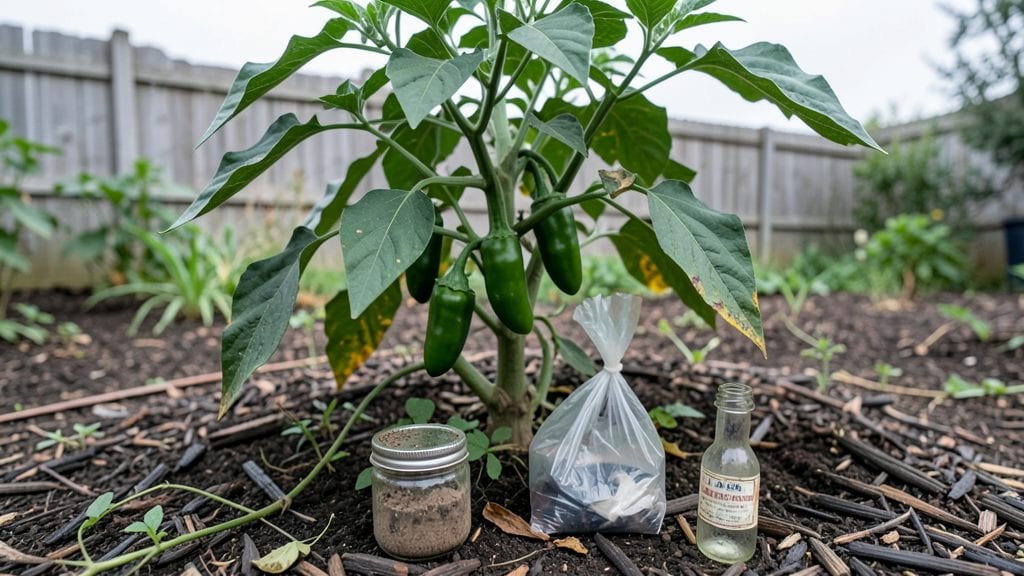
Preserving jalapeños from your garden means never buying store-bought again—just imagine jars of homemade heat ready whenever you need them. 🌿 The key is harvesting peppers at their peak (bright green or deep red, firm but yielding slightly) and processing them within days to lock in flavor and texture.
You’ll need just a few basics: clean jars or bags, vinegar or salt for preservation, and a way to sterilize everything. Fermenting takes patience but rewards you with probiotic-rich pickles, while drying or freezing keeps the peppers ready for cooking.
Even canning is simpler than it seems if you follow the right steps—no more wasted harvests!
By the end, you’ll have crispy pickles, smoky dried strips, or frozen peppers ready to toss into dishes year-round. The best part? No chemical preservatives, just pure garden-to-table flavor. Let’s turn your harvest into a pantry staple that lasts.
Works for green or red jalapeños, whether you’re canning, fermenting, or freezing. Here’s how to do it right the first time—no moldy jars or soggy peppers in sight.
📚 In This Guide
- What you need
- Instructions
- Tips and common mistakes
- Wrapping up and next steps
What you need
- ● Fresh jalapeños: 1–2 lbs (harvest at peak ripeness—firm, unblemished pods with vibrant color).
- ● High-quality salt: 1 cup (non-iodized, like kosher or pickling salt—no additives!).
- ● Water: Filtered or distilled (for pickling/fermenting).
- ● Vinegar (for pickling): 1 cup white vinegar (5% acidity) or apple cider vinegar (for flavor).
- ○ Sugar (optional for sweetness): ½ cup granulated sugar (adjust to taste).
- ● Spices/herbs: Garlic, dill, oregano, or black peppercorns (to taste).
- ● Preserving jars: 4–6 wide-mouth mason jars (pint or quart size, sterilized).
- ● Cutting board + sharp knife: Chef’s knife or mandoline for even slicing.
- ● Colander: Stainless steel (for rinsing peppers).
- ● Measuring cups/spoons: For precise salt, vinegar, and sugar ratios.
- ● Pot for boiling: Large stockpot (for sterilizing jars/lids or making brine).
- ● Can opener + jar lifter: For safe handling (sterilize in boiling water).
- ○ Drying rack (optional):
- ● Dehydrator trays (with mesh screens) or
- ● Clean baking sheet lined with parchment paper.
- ● Food-grade plastic bags (for freezing): Quart-sized, heavy-duty freezer bags.
- ● Rubber bands or twine: For bundling jalapeños during air-drying.
- ● 🌡️ Sterilize everything! Boil jars/lids for 10 mins or run through a dishwasher cycle to prevent spoilage.
- ● ✨ Wear gloves when handling hot peppers—less mess, more fun!
- ● 🎯 Label your jars with date and method (e.g., "Pickled 10/2023").
- ● 🔥 For fermenting: Use a fermentation lid or weigh-down method (like a fermentation airlock) to keep peppers submerged.
Step-by-step guide to preserving jalapenos from your garden
Turn your homegrown harvest into versatile, long-lasting peppers with these simple preservation methods.
🌱 Step 1: Harvest and Prepare Jalapenos Properly
Pick jalapenos when they're firm and 3-4 inches long—they'll ripen further after harvest. Wear gloves if you're sensitive to capsaicin (the compound that makes them spicy). Rinse them gently under cool water, then pat dry thoroughly with a clean towel. Any moisture left on the peppers can encourage mold during storage.
Remove stems by cutting them off with a sharp knife about ¼ inch below the cap. This prevents the pepper from drying out too quickly. For whole peppers, leave them intact. If you're planning to stuff them later, make a small slit on one side to create an opening.
💧 Step 2: Choose Your Preservation Method
Decide whether you want to dry, can, or freeze your jalapenos. Drying is the simplest method and concentrates the heat, while canning preserves them in jars for pantry storage. Freezing works well if you plan to use them in cooked dishes later. Each method requires different prep steps, so pick based on how you'll use them most.
For drying, string jalapenos with ¼-inch holes through their stems using twine or a drying rack. For canning, pack them into pint-sized jars with your choice of brine or oil. Freezing requires blanching first—drop peppers into boiling water for 3 minutes, then immediately transfer to an ice bath to stop cooking.
☀️ Step 3: Dry or Process Jalapenos for Long-Term Storage
If drying, place your strung jalapenos in a warm, dry, well-ventilated area away from direct sunlight. A dehydrator set to 135°F speeds up the process—peppers should take 4-6 hours to become leathery and shriveled. Store dried peppers in an airtight container in a cool, dark place for up to 6 months.
For canning, pack jars with jalapenos and your chosen liquid (vinegar brine or oil), leaving ½-inch headspace. Process in a boiling water bath for 10 minutes (adjust for altitude). Freeze blanched peppers in airtight bags or containers, removing as much air as possible. They’ll keep for up to 1 year in the freezer.
✂️ Step 4: Store and Use Preserved Jalapenos
Label your preserved jalapenos with the date and method used. Dried peppers can be rehydrated in warm water for 10-15 minutes before using. Canned jalapenos are ready to eat straight from the jar—great for salsas, pickling, or adding heat to dishes. Frozen peppers work best in cooked recipes like soups, stews, or sauces.
Use preserved jalapenos within 6 months for dried, 1 year for frozen, or up to 18 months for canned (if stored properly) to maintain the best flavor and texture. The heat mellows slightly over time, so use them early for maximum kick!
Tips & tricks for perfectly preserved jalapenos
These simple tricks will help you get the most out of your garden harvest and avoid common preservation pitfalls.
Harvesting Matters: Always pick jalapenos when they're 3-4 inches long and firm to the touch. I learned this the hard way—overripe peppers lose their crunch and become rubbery after preservation. If you're harvesting a large batch, wear gloves to protect your hands from capsaicin, which can cause irritation. That ¼-inch stem cut is key too—it prevents moisture loss and keeps them fresh longer during storage.
Blanching is Non-Negotiable for Freezing: That 3-minute boil followed by an ice bath is crucial for freezing. It stops enzymes that would turn your peppers mushy over time. I see people skip this step all the time, and their frozen jalapenos end up like sad, limp vegetables. For best results, use a large pot of boiling water and prepare an ice bath right beside it so you can transfer immediately.
Dehydrator Temperature Control: Setting your dehydrator to 135°F might seem low, but it's perfect for preserving texture and flavor. Higher temps can burn the peppers, while lower temps won't dry them properly. I've found that 4-6 hours is the sweet spot—check after 4 hours to avoid over-drying. Your goal is leathery, not brittle, peppers. If you don't have a dehydrator, an oven on its lowest setting (with the door slightly open) works in a pinch.
Jarring Secrets: When canning, that ½-inch headspace is critical for safe processing. Use a headspace tool or a ruler to measure accurately—packed jars can explode! Also, always use new lids for canning to ensure proper sealing. For extra flavor, add a garlic clove or sprig of fresh herbs to your jars before processing. The 10-minute boiling water bath is non-negotiable for safety, but remember to adjust for altitude if you live above 1,000 feet.
Pro Tips for Preserve Jalapenos From Garden
- These simple tricks will help you get the most out of your garden harvest and avoid common preservation pitfalls.
- Harvesting Matters: Always pick jalapenos when they're 3-4 inches long and firm to the touch.
- Blanching is Non-Negotiable for Freezing: That 3-minute boil followed by an ice bath is crucial for freezing.
Frequently asked questions
Got questions about preserving your homegrown jalapeños? You’re not alone! Here are answers to the most common concerns—whether you're a first-time preserver or a seasoned pro looking for tweaks.
Can I preserve jalapeños that are still green?
Green jalapeños are perfect for pickling, fermenting, or freezing. Just ensure they’re firm and free of blemishes. If you’re pickling, they’ll ripen slightly in the brine (turning red or yellowish), adding depth to flavor. For freezing, blanch them first to lock in freshness.
How long do pickled jalapeños last?
Properly preserved pickled jalapeños (in vinegar-based brine) can last 1–2 years in the fridge or up to 6 months unopened at room temperature. Fermented jalapeños (like in kimchi or brine) last 6–12 months in the fridge. Always check for mold or off smells—when in doubt, toss it!
Can I skip the blanching step when freezing?
Blanching (dipping in boiling water, then ice bath) is highly recommended to preserve texture and prevent freezer burn. Without it, jalapeños may turn mushy or develop ice crystals. If you’re short on time, try quick-freezing: Toss peeled jalapeños in oil, spread on a tray, and freeze solid before bagging for fried applications.
Why did my fermented jalapeños turn pink or fuzzy?
Pink slime? That’s Kosher salt dissolving—harmless! Fuzzy white mold? Toss it. Fermentation gone wrong often means too much oxygen (use an airlock or weight) or inconsistent salt levels. For safety, ferment in a 5–7% salt brine and keep temps between 60–75°F. Pro tip: Burp jars daily to release CO₂ buildup.
What’s the best way to use preserved jalapeños in cooking?
Pickled jalapeños shine in salsas, tacos, grilled meats, or cocktails (think margaritas!). Fermented ones add tangy depth to stews, sandwiches, or scrambled eggs. For heat without moisture, dry-roast preserved slices (pickled or fermented) for a smoky kick. Freeze whole for later—just toss into soups or stir-fries!
Can I reuse brine from pickled jalapeños?
Yes! Strain and boil the used vinegar brine to kill bacteria, then reuse for pickling onions, carrots, or even eggs. Avoid reusing fermented brine—it’s too salty and may harbor unwanted microbes. For pickling, add 1 tbsp vinegar + 1 tsp salt per cup of water to refresh the liquid.
Wrapping up and next steps
Preserving your homegrown jalapeños is easier than you think—and the rewards are delicious! Whether you freeze, ferment, pickle, or dry them, you’ll enjoy that garden-fresh heat all year without a single pepper going to waste. Your future meals (and taste buds) will thank you!
Now that you’re armed with these simple, effective methods, why not start small? Try fermenting a batch of jalapeños this week or gifting pickled peppers to a friend—your garden’s bounty deserves to shine! 🌱✨