Container Gardens
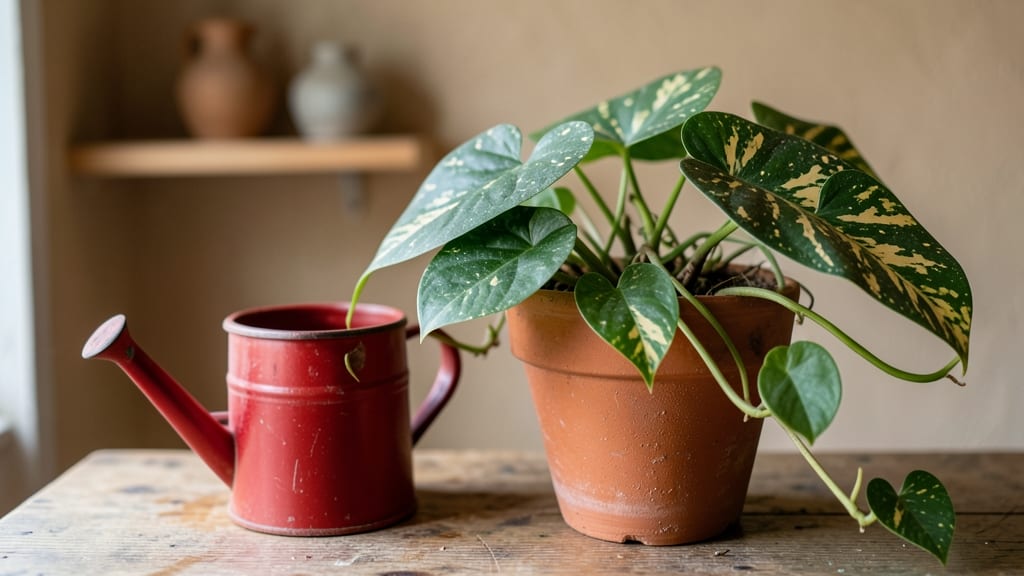
Indoor gardening activities don’t need sunlight to spark joy—just curiosity and a little creativity. 🌱 I’ve turned my dim apartment into a lush green haven using simple setups that bring life to every corner, from hanging shelves to repurposed containers.
The key isn’t fancy equipment but matching plants to the light you do have, whether it’s a north-facing window or a bright desk lamp.
Start with easygoing plants like pothos, spider plants, or herbs that thrive in low light. Add vertical gardens to save space—think pallet planters or wall-mounted pockets—and let kids decorate their own mini planters with paint or markers.
These projects are mess-friendly, budget-conscious, and perfect for sparking creativity year-round, even when the world outside is gray.
By the end, you’ll have a space that feels alive, fragrant, and uniquely yours—no gardening degree required. The best part? Every time you clip a leaf or watch new growth unfurl, you’ll feel the quiet satisfaction of nurturing something beautiful. Ready to turn your space green?
Whether you’re a parent looking for kid-friendly projects or a plant lover craving new inspiration, these ideas adapt to any home. The only rule? Have fun with it—your plants (and your walls) will thank you.
📚 In This Guide
- What you need
- Instructions
- Tips and common mistakes
- Wrapping up and next steps
What you need
- ● Containers: 3–5 drainage-friendly pots (5–10 inches in diameter) with holes at the bottom
- ○ 1 cache pot or saucer (optional, for aesthetics or extra moisture)
- ● Growing Medium: 2–3 bags of well-draining potting mix (e.g., cactus/succulent mix or all-purpose blend)
- ● 1 small bag of perlite or vermiculite (for aeration, ~1 cup per container)
- ● Lighting: 1–2 LED grow lights (full-spectrum, 10W–20W) or a sunny windowsill (south-facing ideal)
- ● Seeds or Plants: 5–10 low-light-tolerant seeds/seedlings (e.g., herbs like basil, mint; or leafy greens like spinach)
- ○ Pre-germinated seedlings (optional, for faster growth)
- ● Humidity tray or pebble tray (for tropical plants)
- ● pH testing kit (to monitor soil health)
- ● Fertilizer (balanced liquid or slow-release granules)
- ● Plant labels + marker (to track varieties)
- ● Spray bottle (for gentle watering)
Step-by-Step indoor gardening activities for year-round greenery
Bring life indoors without sunlight struggles—these activities thrive under artificial light.
🌱 Step 1: Select Low-Light Houseplants for Immediate Impact
Start with plants that naturally thrive in low light, like snake plants, ZZ plants, or pothos. These varieties require minimal care and adapt quickly to indoor conditions. I always begin with a few easy-to-find options—snake plants for their striking foliage and ZZ plants for their resilience. Place them in your chosen spots (like a north-facing window or a dim corner) and observe their natural growth patterns for 1-2 weeks before adjusting care.
Check the undersides of leaves for dust buildup—this is a common issue in low-light environments. Wipe leaves gently with a damp cloth every 2-3 weeks to help the plant absorb light more efficiently. The goal here is to create a thriving base layer of greenery that requires almost no sunlight, setting the stage for more ambitious indoor gardening.
💧 Step 2: Set Up a Grow Light System for Supplemental Light
Since natural light is limited, invest in a full-spectrum LED grow light to supplement your plants' needs. Position the light 6-12 inches above the plants, depending on the model, and set it to a 12-16 hour photoperiod daily. I use a timer to automate this—no need to remember to turn it on and off every day. Start with 4-6 hours of light per day and gradually increase to 12 hours over 1-2 weeks to avoid shocking the plants.
Watch for signs of light stress, like yellowing leaves or elongated stems. If you notice these, the light is either too intense or too far away. Adjust the height or duration until the plants show strong, compact growth with vibrant green leaves. This step ensures your plants get the light they need without relying on sunlight.
🪴 Step 3: Create a Hydroponic or Soil-Based Micro-Garden
For a hands-on project, set up a small hydroponic system or a soil-based micro-garden using the containers you’ve chosen. If using hydroponics, fill the reservoir with water and nutrient solution (follow the product’s ratio guidelines) and place the plants in the growing medium. For soil-based setups, use a well-draining potting mix and ensure the containers have drainage holes. I like to use a mix of perlite and coconut coir for hydroponics—it keeps roots oxygenated and prevents rot.
Plant your chosen greens, like lettuce or herbs, and keep the growing medium consistently moist but not soggy. Hydroponic systems require more frequent monitoring, so check the water level and nutrient solution every 2-3 days. Soil-based setups need watering when the top ½ inch of soil feels dry. This step is where you’ll see the most immediate results—watch for first true leaves within 2-3 weeks, depending on the plant.
✂️ Step 4: Maintain and Expand Your Indoor Garden
Once your plants are established, focus on maintenance: prune leggy growth, remove yellow leaves, and rotate plants occasionally to ensure even light exposure. I like to prune my pothos regularly to encourage bushier growth—simply snip just above a leaf node with clean scissors. For hydroponic setups, flush the system with fresh water every 4-6 weeks to prevent mineral buildup, which can harm roots.
To keep things exciting, introduce new plants or experiment with different varieties. Try growing air plants (tillandsias) in decorative holders—they require no soil and thrive on humidity alone. This step is all about sustainability and creativity. Your indoor garden should feel like a living, evolving space that adapts to your lifestyle.
Tips & tricks for perfect indoor gardening without sunlight
Transforming your space into a lush indoor garden without natural light takes strategy—not just trial and error. Here's how to maximize your success with the techniques you're already using.
Lighting Strategy: The 12-16 hour photoperiod in Step 2 is your plant's circadian rhythm—don't skip it! Use a timer to automate this, but if you're away during daylight hours, consider a smart plug that mimics natural light cycles. Position your grow light 6-12 inches above plants and adjust based on leaf color: if leaves stretch toward the light (etiolation), it's too far away. For compact growth, maintain that distance consistently.
Plant Selection Intelligence: In Step 1, snake plants and ZZ plants are your best allies for low-light conditions, but don't overlook spider plants or cast iron plants—they're equally resilient. Pro tip: Rotate your plants every 2-3 weeks so all sides receive even light exposure, especially important when using artificial lighting. This prevents lopsided growth and ensures your plants develop symmetrically.
Hydroponic System Care: When setting up your hydroponic system in Step 3, remember that mineral buildup is the silent killer. The 4-6 week flush schedule is non-negotiable—use distilled water for flushing to prevent additional mineral accumulation. For soil-based setups, that ½-inch dry soil test is critical: stick your finger in to check moisture rather than guessing. Overwatering is the #1 cause of root rot in indoor gardens.
Maintenance Routine: The 2-3 week leaf cleaning schedule from Step 1 isn't just about aesthetics—dust blocks up to 50% of a plant's ability to absorb light. Use a microfiber cloth dampened with water (no soap!) to gently wipe leaves. For hydroponic systems, change your nutrient solution every 2-3 weeks even if it looks clean—nutrients degrade and can harm your plants over time. This small maintenance keeps your entire system thriving.
Pro Tips for Indoor Gardening Activities
- Transforming your space into a lush indoor garden without natural light takes strategy—not just trial and error.
- Lighting Strategy: The 12-16 hour photoperiod in Step 2 is your plant's circadian rhythm—don't skip it!
- Plant Selection Intelligence: In Step 1, snake plants and ZZ plants are your best allies for low-light conditions, but don't overlook spider plants or cast iron plants—they're equally resilient.
Frequently asked questions
Got questions about indoor gardening?
You’re not alone! Here are answers to the most common concerns—whether you're a beginner or just troubleshooting a tricky situation.
What are the easiest indoor plants for beginners with no sunlight?
Start with low-light champions like snake plants, ZZ plants, or pothos. These thrive in dim corners (even offices!) and require minimal care. Avoid fussy plants like ferns or orchids unless you can supplement with grow lights. Pro tip: Rotate plants occasionally for even growth!
How often should I water indoor plants?
Overwatering kills faster than underwatering! Stick your finger 1–2 inches into the soil—if it’s dry, water thoroughly. Most indoor plants prefer every 1–2 weeks, but factors like pot size, humidity, and plant type matter. Succulents need less; herbs like basil need more. Drainage is key: Use pots with holes and saucers!
Can I grow edible plants indoors without sunlight?
Try microgreens, green onions, or herbs like cilantro under LED grow lights (12–16 hours/day). For zero sunlight, opt for mushrooms (like oyster) or leafy greens with artificial light. Bonus: Hydroponic setups work great for compact spaces!
What do I do if my indoor plants get pests?
Isolate the plant first! Common pests like spider mites or fungus gnats can be tackled with:
Prevent future issues by avoiding overwatering and keeping humidity in check. Maximize vertical space with wall-mounted planters, hanging pots, or tiered shelves. Use self-watering containers to save space, and group plants with similar light/water needs. Grow lights (like full-spectrum LEDs) are a game-changer for tiny apartments—just 6–12 inches above plants works!
What’s the best setup for indoor gardening in a small apartment?
Wrapping up and next steps
Indoor gardening is your ticket to year-round greenery—no sunlight required! Whether you’re a beginner or a seasoned plant parent, these activities prove that thriving plants can flourish in any space, from windowsills to cozy corners. Start small, experiment with low-light options, and watch your confidence (and green thumb!) grow.
Ready to dive in? Pick one plant or project today—your indoor jungle awaits! 🌱✨