Succulent
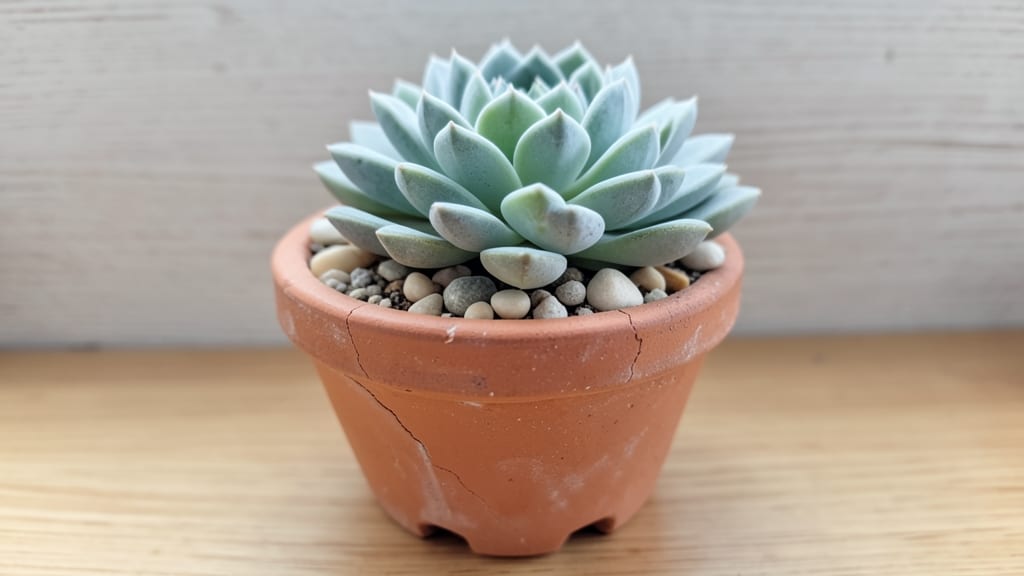
My indoor succulent gardens bring desert vibes to any room without needing sunlight or a green thumb. ✨ The key is picking the right mix of plants—some stretch for height, others spill over edges, and a few add pops of color that make the whole setup feel alive.
I’ve turned forgotten corners into thriving mini-landscapes that last year-round with almost no fuss.
Start with shallow containers that let roots breathe, like terracotta pots or glass terrariums for a modern look. Group plants by sunlight needs—some thrive in bright windows, while others do fine under grow lights.
A mix of textures (round, spiky, trailing) keeps things interesting, and a single statement piece, like a variegated echeveria, becomes the focal point. Even a tiny shelf can hold a stunning arrangement with just five or six plants.
By the time you’re done, your space will feel more intentional and vibrant. The plants stay compact, the colors coordinate effortlessly, and you’ll spend less time watering than you do admiring the results.
Plus, they’re the perfect way to bring a little nature indoors without the upkeep of high-maintenance plants. Let’s make yours stand out.
Whether you’re working with a sunny windowsill or a dim corner, the same principles apply—just adjust the plant choices. Hanging planters add vertical interest, while layered trays create depth. The possibilities are endless, and the best part? Your garden will keep growing with you.
📚 In This Guide
- What you need
- Instructions
- Tips and common mistakes
- Wrapping up and next steps
What you need
- ● Succulents: 3–5 small varieties (e.g., Haworthia, Echeveria, or Jade Plant). Choose plants with similar water needs.
- ● Containers: 1–2 shallow pots (4–6 inches deep) with drainage holes (terracotta or ceramic).
- ○ Optional: A decorative tray or cache pot for a polished look.
- ● Potting Soil: 1–2 bags of cactus/succulent mix (avoid regular garden soil—it retains too much moisture!).
- ● Gravel/Pebbles: 1 small bag (for drainage layer at the bottom of pots).
- ● Watering Can: 1 small can with a narrow spout (to avoid overwatering).
- ● Gloves: 1 pair (to protect hands from prickly leaves).
- ● Trowel or Spoon: 1 small gardening tool (for planting and repotting).
- ● Spray Bottle: 1 (for misting succulents if humidity is low).
- ○ Fertilizer: 1 bottle of balanced, water-soluble fertilizer (diluted to half-strength). Optional: Slow-release granules for convenience.
- ● Plant Labels: 3–5 (to track varieties and care needs).
- ● Light Source: Required: A south- or west-facing window (6+ hours of sunlight daily).
- ○ Optional: Grow lights (LED or fluorescent, 12–16 hours/day) for low-light spaces.
- ● 🌡️ Temperature: Keep succulents in a space between 65–75°F (18–24°C)—avoid drafts or cold windows.
- ● ✨ Drainage is key: Never skip the gravel layer—root rot is the #1 killer of indoor succulents!
- ● 🎯 Less is more: Water only when the top 1–2 inches of soil are completely dry.
How to create a thriving indoor succulent garden
Succulents bring desert beauty indoors with minimal fuss. Here’s how to build a stylish, low-maintenance display that thrives year-round.
🪴 Step 1: Choose the Right Containers and Soil Mix
Succulents despise soggy roots, so pick containers with multiple drainage holes—terracotta pots or shallow trays work best. I like to layer 1 inch of small gravel at the bottom of each pot before adding soil to prevent clogging. Use cactus/succulent mix (never regular potting soil) for its gritty texture that mimics their natural habitat.
Fill your containers ¾ full with the mix, leaving space at the top for planting. Tap the sides gently to settle the soil without compacting it. The goal is airy, fast-draining soil that keeps roots happy and prevents rot. If your mix feels too dense, add a handful of perlite to improve drainage.
🌱 Step 2: Plant Succulents with Proper Spacing
Dig small holes—about twice as wide as the plant’s root ball—and place each succulent so its base sits just below soil level. Press lightly around the edges to secure it without burying the stem. Succulents like echeveria and haworthia can share pots, but give taller varieties like snake plants their own space to avoid shading neighbors.
I arrange mine in odd-numbered clusters (3, 5, or 7 plants) for natural balance. Water lightly right after planting to help soil settle, but avoid soaking—succulents prefer dry starts. Let the soil dry completely before watering again. This first watering is just to help roots make contact with the soil.
☀️ Step 3: Position for Bright, Indirect Light
Succulents crave 4-6 hours of bright, indirect light daily. A south- or east-facing window is ideal, but avoid harsh afternoon sun, which can scorch leaves. If your space is dim, supplement with a grow light kept 6-12 inches away for 12-14 hours/day. You’ll notice leggy growth if light is insufficient—this is the plant stretching toward any available light.
Rotate your containers quarter-turn weekly so all sides get even exposure. Watch for pale or stretched stems—this means more light is needed. If leaves develop red or purple hues, it’s a sign of too much direct sun. Adjust placement until you find the sweet spot where foliage stays vibrant and compact.
💧 Step 4: Water with Precision—Less Is More
Wait until the top inch of soil feels completely dry before watering—this usually means every 2-3 weeks in winter and every 1-2 weeks in summer. I use the "soak and dry" method: Water thoroughly until it drains from the bottom, then empty the saucer to prevent root rot. Overwatering is the #1 killer of indoor succulents, so when in doubt, wait longer.
Water in the morning so excess moisture evaporates during the day. You’ll know you’ve nailed the routine when leaves stay plump and firm, not wrinkled or translucent. If you see yellowing or mushy stems, you’ve overwatered—trim affected parts immediately and adjust your schedule. Succulents are forgiving, but consistency is key.
✂️ Step 5: Prune and Propagate for Fullness
Remove dead or yellowing leaves with clean scissors to keep your garden looking tidy. When stems grow leggy, snip just above a leaf node to encourage bushier growth. I also propagate cuttings by letting them dry for 1-2 days until the wound calluses over, then placing them on fresh soil. This keeps your collection growing without costing a dime.
Every 3-4 months, refresh the top ½ inch of soil with fresh mix to replenish nutrients. Succulents don’t need fertilizer often, but a diluted succulent fertilizer (half-strength) in spring and summer gives them a gentle boost. Watch for white residue on soil—this means it’s time to repot or refresh the mix to avoid salt buildup.
Tips & tricks for perfect indoor succulent gardens
A few simple tricks will help your succulent garden thrive and stay beautiful for years. Here's what I've learned from keeping mine lush and healthy.
Drainage is Everything: In Step 1, when you're setting up your containers, don't skip the gravel layer at the bottom. I've ruined multiple succulents by skipping this step—water pools at the bottom and causes rot. Use 1 inch of small gravel in every pot, no exceptions. For extra insurance, add a few extra drainage holes if your container doesn't have enough. The goal is to mimic their natural rocky habitat where water drains away immediately.
Light Matters More Than You Think: The 4-6 hours of bright light in Step 3 is non-negotiable. I learned this the hard way when my succulents started stretching toward the window—this is called "etiolation" and means they're starving for light. If you notice pale or leggy stems, move your plants closer to the window or add a grow light. Remember, direct afternoon sun can scorch delicate leaves, so indirect light is key. A simple trick: rotate your containers quarter-turn weekly so all sides get equal exposure.
Watering Wisdom: The "soak and dry" method in Step 4 is crucial—water until it drains completely from the bottom, then empty the saucer. I've seen people keep water in saucers for days, thinking it's helping their plants. Wrong! This creates the perfect environment for root rot. Morning watering is ideal because any excess moisture evaporates during the day. And here's a pro tip: stick your finger an inch into the soil—if it's dry, it's time to water. If it's damp, wait a few more days.
Prune Like a Pro: When you're pruning in Step 5, don't just cut off the ugly parts—use those cuttings to propagate! Let the stems dry for 1-2 days until the wound calluses over, then place them on fresh soil. I've doubled my collection this way without spending a dime. And here's another trick: when you refresh the top ½ inch of soil every 3-4 months, mix in a tiny bit of diluted succulent fertilizer. This gives them a gentle nutrient boost without overwhelming their sensitive roots.
Pro Tips for Indoor Succulent Gardens
- A few simple tricks will help your succulent garden thrive and stay beautiful for years.
- Drainage is Everything: In Step 1, when you're setting up your containers, don't skip the gravel layer at the bottom.
- Light Matters More Than You Think: The 4-6 hours of bright light in Step 3 is non-negotiable.
Frequently asked questions
Got questions about creating your dream indoor succulent garden? You’re not alone! Here are some of the most common queries—plus quick, practical answers to keep your green oasis thriving.
How often should I water my indoor succulents?
Succulents store water in their leaves, so overwatering is their #1 enemy. Water only when the top 1–2 inches of soil feel completely dry—usually every 2–4 weeks, depending on light and humidity. In winter, reduce watering to once a month. Pro tip: Use a moisture meter or the "finger test" to avoid guesswork!
Why are my succulents turning mushy or yellow?
Mushy, squishy leaves or yellowing are classic signs of root rot, caused by too much water. Check for:
- Soggy soil – Let it dry out faster by repotting in well-draining soil (cactus/succulent mix).
- No drainage holes – If your pot lacks them, transfer your succulent to one with holes.
- Overcrowded roots – Trim rotten roots with sterile scissors and replant.
Give your plant a dry spell and monitor closely!
Can I keep succulents in low-light areas?
Succulents crave sunlight—they’ll stretch (called "etiolation") or lose color in dim spots. Aim for 4–6 hours of bright, indirect light daily. If natural light is scarce:
- Place them near a south- or west-facing window.
- Use a grow light (LED or fluorescent) 6–8 inches above the plants for 12–14 hours/day.
- Rotate pots weekly for even growth.
Avoid cold drafts or heat vents—succulents hate temperature swings!
What’s the best container for indoor succulents?
Containers must drain well and match your succulent’s size. Top picks:
| Material | Pros | Cons |
|---|---|---|
| Terracotta pots | Breathable, prevents root rot, classic look. | Can dry out fast; heavy when wet. |
| Ceramic with drainage | Stylish, retains moisture slightly better. | Must have holes; can crack over time. |
| Plastic or resin (with holes) | Lightweight, affordable, retains heat. | Less breathable; may trap moisture. |
For a trendy twist, try hanging pots or geometric planters—just ensure they’re not airtight!
How do I propagate succulents from cuttings?
Propagating is easy and free! Here’s a quick guide:
- Snip a healthy leaf or stem with clean scissors.
- Let it callus for 1–3 days (place on a paper towel).
- Plant in dry soil, pressing lightly. Wait 5–7 days before watering.
- Keep in bright, indirect light and mist occasionally.
- Roots grow in 2–6 weeks—transplant once established!
Best for beginners: Echeveria, Haworthia, or Sedum varieties.
Wrapping up and next steps
Creating an indoor succulent garden is more than just a trend—it’s a rewarding way to bring nature’s beauty into your home while keeping maintenance simple. Whether you’re a seasoned plant parent or a beginner, these compact, drought-tolerant plants offer year-round greenery with minimal effort.
Start small, experiment with styles, and let your creativity grow!
Ready to dive in? Pick your favorite succulents, grab a pot, and begin your journey today! 🌱✨