
Size
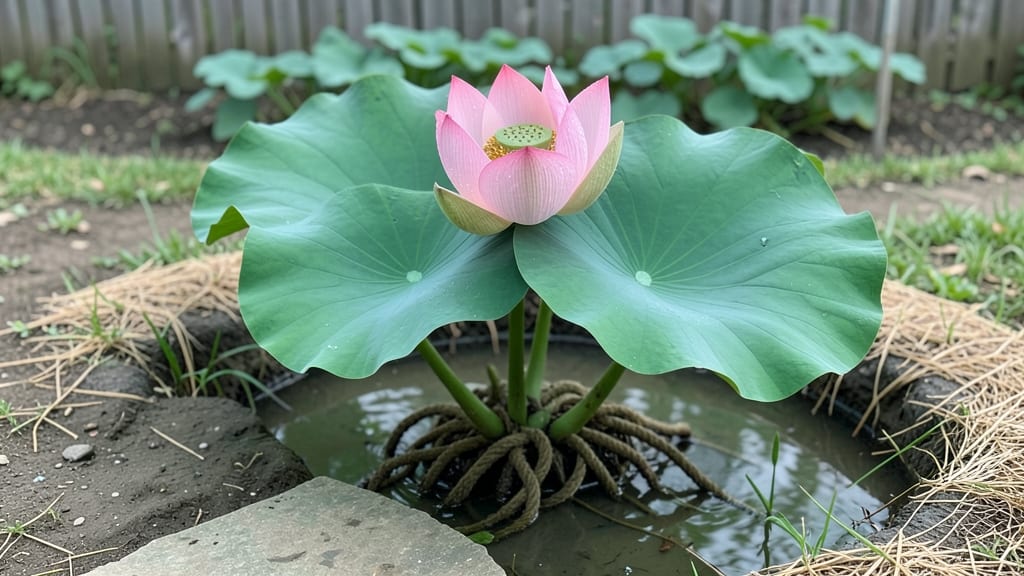
Growing lotus flowers in your garden means waking up to blooms that look like they belong in a temple or a dream. ✨ These majestic plants thrive in both water and soil, making them perfect for ponds, containers, or even shallow garden beds.
I’ve grown them for three seasons now, and the first time I saw that deep pink bloom rise above the water’s surface, I knew I’d never look at gardening the same way again.
The key to success is patience and the right setup. Lotus roots need 12-18 inches of water if planted in a pond or container, while soil-grown varieties prefer moist, nutrient-rich earth with at least 6 hours of direct sunlight daily.
Most beginners underestimate how much space these plants need—they can spread 8-10 feet across in a single season. Start with a 5-gallon pot for soil-grown lotuses or a deep container for aquatic varieties, and you’ll avoid the frustration of crowded roots.
By mid-summer, you’ll see those iconic blooms unfurling at dawn, staying open for just a single day before closing and releasing seeds back into the water. The fragrance is subtle but intoxicating—like warm honey and fresh rain.
Even if pests like aphids or slugs show up (they will), a quick spray of neem oil or a barrier of copper tape keeps them in check without harming the plant.
Whether you’re adding a lotus to a backyard pond or a large container on your patio, this plant rewards you with drama and elegance. The real magic happens when you watch the blooms follow the sun, opening and closing like nature’s own clock. Ready to grow something unforgettable?
📚 In This Guide
- What you need
- Instructions
- Tips and common mistakes
- Wrapping up and next steps
What you need
- ● Lotus Tubers or Seeds: 10–20 healthy tubers (for water gardens) or 5–10 seeds (for soil planting).
- ● Choose hardy varieties like Nelumbo nucifera (Asian lotus) or Nelumbo lutea (American lotus).
- ● Growing Medium: For water gardens: A pond or container (minimum 2–3 feet deep and 12–18 inches wide per tuber).
- ● For soil gardens: Well-draining, nutrient-rich soil (mix 2 parts garden soil + 1 part compost + 1 part sand).
- ● Fertilizer: Balanced aquatic plant fertilizer (e.g., 10-10-10 NPK) for water gardens.
- ● Slow-release granular fertilizer (e.g., 5-10-5) for soil gardens.
- ● Tools: Garden trowel or transplanting spade.
- ● Water hose or submersible pump (for water gardens).
- ○ Pebbles or aquatic stones (optional, for pond aesthetics).
- ● A floating plant mat (to anchor tubers in water).
- ● Pond dye (to reduce algae growth).
- ● Water testing kit (to monitor pH and nutrients).
- ● Decorative rocks or driftwood (for a natural pond look).
Step-by-Step guide to cultivating lotus flowers in water or soil
Here's how to grow these majestic blooms—whether you choose the classic aquatic approach or a soil-based method.
🪴 Step 1: Prepare Your Growing Environment
Lotus flowers thrive in two setups: a pond or container with 12-18 inches of water (for aquatic growth) or moist, well-draining soil (for terrestrial varieties). If growing in water, use a large, sturdy container (at least 18 inches deep) with a neutral pH of 6.0-7.5. For soil, choose a spot with full sun (6+ hours daily) and rich, organic soil. Amend garden soil with compost to improve drainage and fertility.
Real talk: If your pond water is stagnant, add a small fountain or aerator to keep it moving. Still water encourages algae, which competes with your lotus for nutrients. For soil-grown lotuses, plant in spring after the last frost when temperatures stay above 65°F—they won’t tolerate cold soil.
🌱 Step 2: Plant Your Lotus Tubers or Seeds
Lotus flowers grow from tubers, rhizomes, or seeds. For fastest results, use tubers or rhizomes—plant them 2-3 inches deep in water or soil, depending on your setup. In aquatic containers, place the tuber horizontally with the buds facing upward. For soil, bury the tuber slightly deeper (3-4 inches) to protect it from temperature fluctuations.
If starting from seed, soak them in lukewarm water for 24 hours before planting. Sow seeds ½ inch deep in moist soil or a shallow water tray. Keep the soil or water consistently moist (not soggy) until germination, which takes 2-4 weeks. Watch for tiny green shoots—that’s your signal to reduce watering slightly and let roots establish.
☀️ Step 3: Maintain Water or Soil Conditions
For aquatic lotuses, keep the water clean and shallow—never let it exceed 18 inches depth, or the plant will suffocate. Top off evaporated water with dechlorinated tap water (let it sit out for 24 hours or use a water conditioner). In soil, water deeply 2-3 times per week, ensuring the top 2 inches of soil stay moist but not waterlogged. You’ll know it’s right when excess water drains freely.
Feed aquatic lotuses with a balanced aquatic fertilizer every 4-6 weeks during growing season. For soil-grown lotuses, apply a slow-release granular fertilizer in early spring and again in mid-summer. Avoid over-fertilizing—lotuses prefer nutrient-rich but not overly rich conditions. You’ll see vigorous new leaves as a sign they’re thriving.
✂️ Step 4: Prune and Support Growth
Once your lotus sends up stems with buds, remove any yellowed or damaged leaves to redirect energy to flowering. For aquatic lotuses, use a floating trellis or bamboo stakes to support heavy blooms—lotus stems can reach 5 feet tall and need stability. In soil, stake taller varieties gently to prevent them from toppling in wind or rain.
After blooms fade, cut stems back to 2 inches above the soil or waterline to encourage new growth. This prevents the plant from expending energy on seed production and keeps it focused on stronger roots and next year’s flowers. I know it seems counterintuitive, but trust me—your lotus will reward you with bigger, healthier blooms the following season.
⏰ Step 5: Overwintering for Year-Round Growth
Lotus tubers and rhizomes are perennial but need protection in cold climates (below 40°F). In water gardens, lift tubers in fall and store them in a cool, dark place (like a garage) in moist peat moss. For soil-grown lotuses, mulch heavily with straw or leaves to insulate roots. In warm climates, they’ll grow year-round with minimal care—just reduce watering in winter months when growth slows.
Here’s the thing—lotuses are low-maintenance once established, but they do need patience. Don’t expect blooms the first year—focus on strong root and leaf growth. By year two or three, you’ll be rewarded with stunning, fragrant flowers that last 3-5 days each. That’s when you’ll know you’ve done it right.
Tips & tricks for perfect lotus flower cultivation
Growing lotus flowers is all about patience and precision—here are the key tricks to help your aquatic or soil-grown lotuses thrive from day one.
Water Depth and pH Precision: In Step 1, maintaining that 12-18 inch water depth is crucial—any deeper and your lotus will suffocate. For aquatic setups, test your water's pH regularly using a simple test kit. Lotus flowers prefer neutral 6.0-7.5 pH, and even slight deviations can stress the plant. I've seen beginners overlook this, leading to stunted growth or no blooms at all.
Seed Soaking Secret: When starting from seed in Step 2, that 24-hour lukewarm soak isn't just recommended—it's essential. The warm water activates the seed's enzymes, giving you a 50% higher germination rate than dry planting. Place seeds in a mesh bag to prevent them from floating away during soaking. After soaking, plant immediately—they'll start germinating within hours.
Temperature Timing: The 65°F minimum for planting in Step 1 isn't just a suggestion—it's the absolute floor for root development. Cold soil below this temperature can cause rot. For aquatic lotuses, maintain water temperatures above 60°F during growing season. I've had to move containers indoors during heatwaves to prevent water temperatures from exceeding 85°F, which can shock the plants.
Pruning Payoff: In Step 4, cutting stems back to 2 inches above soil/waterline after blooms fade might seem drastic, but it's what transforms a one-time bloomer into a multi-season powerhouse. This technique redirects all the plant's energy into root and tuber development, which means bigger blooms next year. The first year I skipped this, my lotuses only produced half as many flowers the following season.
Pro Tips for Lotus Flower Grow A Garden
- Growing lotus flowers is all about patience and precision—here are the key tricks to help your aquatic or soil-grown lotuses thrive from day one.
- Water Depth and pH Precision: In Step 1, maintaining that 12-18 inch water depth is crucial—any deeper and your lotus will suffocate.
- Seed Soaking Secret: When starting from seed in Step 2, that 24-hour lukewarm soak isn't just recommended—it's essential.
Frequently asked questions
Got questions about growing lotus flowers in your garden? You're not alone! Here are some of the most common queries—plus clear, practical answers to help your lotus thrive.
Can I grow lotus flowers in a small pond or just a bucket?
Lotus flowers adapt well to containers as long as they have at least 18 inches of water depth and a sturdy base. Use a bucket, tub, or small pond with a minimum 12-inch diameter. Just ensure it’s heavy enough to anchor the plant (they can get top-heavy!) and place it in full sun. Pro tip: Add a layer of gravel at the bottom to prevent root rot.
How long does it take for a lotus flower to bloom after planting?
Patience is key! Hardy lotus varieties (like Nelumbo nucifera) typically take 3–5 months to bloom after planting tubers, while tropical types may take slightly longer. Factors like water temperature, sunlight, and soil quality can speed up or delay blooming. Check your lotus’ hardiness zone—some need warmer water (70°F+) to thrive.
What’s the easiest way to propagate lotus flowers?
The simplest method is tuber division. After the plant dies back in winter, dig up the tubers, separate them into sections (each with an "eye" or growth node), and replant them in spring. You can also propagate from seeds, but it takes 1–2 years for blooms—tubers are faster! Fun fact: Some gardeners even grow lotus from cuttings in warm climates.
Are lotus flowers toxic to pets or wildlife?
Lotus flowers are generally non-toxic to pets and wildlife, but the roots and tubers contain alkaloids that may cause mild stomach upset if ingested in large amounts. While not deadly, keep an eye on curious pets—especially around the rhizomes. Frogs, fish, and birds often coexist peacefully with lotuses, making them a great addition to eco-friendly ponds!
Why aren’t my lotus leaves unfurling or blooming?
Common culprits include insufficient sunlight (they need 6+ hours daily), cold water (below 60°F stalls growth), or nutrient deficiencies. Check your water depth—too shallow (<12 inches) can stress roots. Try adding a slow-release fertilizer like osmocote or compost tea. If leaves are yellowing, it might be iron deficiency—sprinkle iron chelate into the water.
Can I grow lotus flowers in soil instead of water?
Yes! Some lotus varieties (like Nelumbo lutea, the yellow lotus) thrive in moist, boggy soil near ponds or marshes. Plant tubers in 3–4 inches of waterlogged soil, ensuring the crown stays above the waterline. For drier climates, mix in peat moss to retain moisture. Just avoid soggy, anaerobic soil—roots need oxygen to grow!
Wrapping up and next steps
Growing lotus flowers in your garden—whether in water or soil—is a rewarding journey that brings serene beauty and spiritual symbolism to your space. 🌸 With the right conditions, patience, and care, you’ll soon witness their majestic blooms rise from the water’s surface or soil, transforming your garden into a tranquil oasis.
Ready to take the next step? Start by selecting your preferred growing method, gathering your supplies, and planting with confidence—your ethereal garden awaits!
Next up:
- Monitor your lotus plants regularly for pests or nutrient needs.
- Share your progress with fellow gardeners for inspiration!