Landscaping
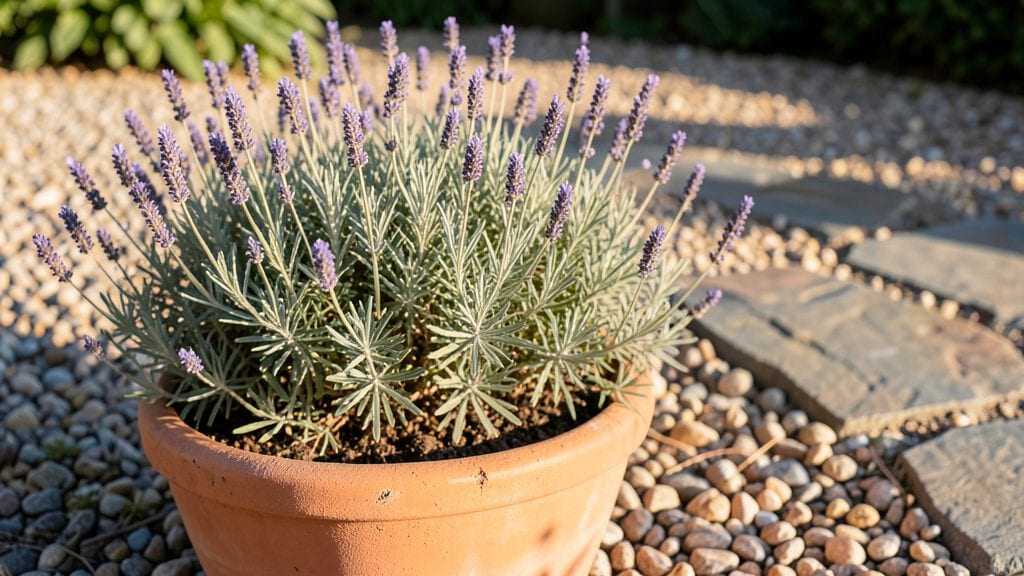
Creating a Mediterranean garden design transforms your yard into a sun-drenched retreat that feels like a vacation every day. 🌿 I fell for this style after visiting a hillside garden in Provence—where lavender hedges framed stone terraces and olive trees stood like ancient sentinels.
The key isn't just the plants; it's the layers of texture, the warm earthy tones, and how everything feels intentional yet effortless.
The beauty of Mediterranean gardens lies in their simplicity: drought-tolerant plants like rosemary and thyme thrive with minimal water, while terracotta pots and weathered stone add rustic charm without fuss. You don't need acres—even a small balcony can become a fragrant oasis with the right plant choices and hardscaping.
Think gravel paths that stay cool in summer, climbing wisteria for shade, and citrus trees that perfume the air.
What you end up with is a garden that looks stunning in every season—spring's delicate blooms, summer's lush greenery, and autumn's golden foliage—all while using less water than traditional landscapes.
The best part? It grows more beautiful with age as plants mature and textures soften. Here's how to bring that timeless Mediterranean feel to your own space.
This design works equally well for urban courtyards or sprawling estates, adapting to your climate and space. Whether you're starting with a single terracotta pot or planning a full landscape overhaul, the principles stay the same: sun, stone, and plants that love the heat. Let's get those layers working together!
📚 In This Guide
- What you need
- Instructions
- Tips and common mistakes
- Wrapping up and next steps
What you need
- ● Soil & Amendments: Well-draining garden soil (10–20 cubic yards, depending on space)
- ● Compost (2–3 bags) or aged manure (for nutrient-rich beds)
- ● Gravel or sand (5–10 bags) for pathways and drainage layers
- ● Hardscaping: Flagstone or cobblestones (20–50 slabs, 1–2" thick)
- ● Paver stones (50–100 sq. ft., in earthy tones like terracotta or gray)
- ● Gravel (50–100 sq. ft., ¾"–1" size for pathways)
- ● Sand (10–20 bags, for leveling and jointing)
- ● Plants: Drought-tolerant shrubs (e.g., rosemary, lavender, olive trees—3–5 plants)
- ● Herbs (basil, thyme, oregano—6–12 plants or pots)
- ● Perennials (sage, salvia, or Mediterranean poppies—10–20 plants)
- ● Climbing vines (bougainvillea, jasmine—2–4 plants)
- ● Tools: Shovel & spade (for digging)
- ● Wheelbarrow (for hauling soil/gravel)
- ● Garden rake & level (for smoothing paths)
- ● Pruners & shears (for shaping plants)
- ● Wheelbarrow or dolly (for heavy materials)
- ● Water Features: Small fountain or terracotta basin (1–2, for ambiance)
- ● Drip irrigation system (to conserve water)
- ● Decor & Accents: Terracotta pots (6–12, in varying sizes)
- ● Wrought-iron or wooden trellises (2–4, for climbing plants)
- ● Solar-powered lights (6–10, for evening glow)
- ● Olive wood or stone benches (1–2, for cozy seating)
- ● Prerequisites: Full-sun exposure (6+ hours/day)
- ● Well-draining soil (amend if heavy clay is present)
- ● Local climate suitability (Mediterranean gardens thrive in USDA Zones 7–10)
Step-by-Step instructions for creating a Mediterranean garden design
Here's how to craft a sun-drenched retreat that feels like a vacation every time you walk through the door.
🪴 Step 1: Define Your Sun-Drenched Foundation
Start by mapping your space for maximum sunlight exposure. Mediterranean gardens thrive in full sun (6+ hours daily), so prioritize south- or west-facing areas. I sketch a simple layout with my largest patio or garden bed as the centerpiece—this becomes the "sun stage" where drought-tolerant stars like lavender, rosemary, and olive trees will shine.
Use the 10-foot rule: Measure from the center of your sunniest spot outward. This creates natural layers where taller plants (like cypress or pomegranate) anchor the back, mid-height shrubs (such as bougainvillea or salvia) fill the middle, and ground covers (like thyme or sedum) spill forward. Mark boundaries with temporary stakes to visualize the flow before planting.
☀️ Step 2: Build Rustic Hardscapes With Purpose
Mediterranean gardens rely on textured stone and gravel to reduce water needs and add warmth. I gather 3-4 different stone types—think weathered flagstone, river rocks, and rough-hewn pavers—to create paths, borders, and seating areas. For paths, lay stones in a herringbone pattern with 2-inch gaps filled with coarse gravel; this allows rainwater to drain while suppressing weeds.
Add a focal point like a dry fountain or sunken planter (line it with broken pottery for drainage). These elements channel water efficiently and add that signature Mediterranean drama. Avoid smooth concrete—rough, aged materials mimic centuries-old olive groves and keep the space feeling organic.
🌿 Step 3: Layer Plants for Texture and Color
Begin with your tallest plants (6+ feet) at the back, spacing them 4-6 feet apart to mimic the airy feel of Mediterranean landscapes. I plant olive trees and cypress first—their silvery foliage and upright forms provide structure. Next, add mid-height shrubs like rosemary, lavender, or bougainvillea, placing them 2-3 feet apart in clusters of 3 or 5 for a natural look.
Fill gaps with trailing plants like creeping thyme or sedum to soften edges. These ground covers spread quickly, reducing weeds and keeping soil moist. Pro tip: Group plants with similar water needs together—drought-tolerant types (like lavender) near the center, thirstier ones (like geraniums) closer to irrigation sources.
💧 Step 4: Install Efficient Irrigation for Low Maintenance
Mediterranean gardens hate wasteful watering. I install a drip irrigation system with emitters spaced 12-18 inches apart, targeting the base of each plant. Bury the lines 2-3 inches deep to protect them from heat and sun exposure. Set a timer for deep watering every 3-4 days (longer in summer) rather than daily shallow sprinkles—this encourages deep root growth.
Add a rainwater collection barrel near the system to catch runoff from downspouts. This stored water reduces your reliance on municipal supplies and cools the soil during peak heat. Mulch heavily with 3-4 inches of gravel or wood chips around plants to lock in moisture and keep roots cool.
✂️ Step 5: Add Finishing Touches for Timeless Charm
Incorporate vintage elements like terracotta pots, wrought-iron trellises, and weathered wooden benches. Hang a few wrought-iron lanterns or clay wind chimes near seating areas—these cast dappled shade and add movement. I also weave in 1-2 citrus trees (like Meyer lemons) near a sunny wall; their fragrant blossoms and fruit double as decor and harvest.
Finally, add a gravel pathway that meanders through the garden, inviting exploration. Use a mix of pebbles and sand for a self-draining surface that stays cool underfoot. Step back after planting—adjust any overcrowded areas and trim straggly branches to maintain that effortless, sun-bleached look.
Tips & tricks for perfect Mediterranean garden design
Creating a Mediterranean garden that feels like a sun-drenched escape takes more than just planting a few herbs. Here are the secrets that'll elevate your design from ordinary to extraordinary.
The Sunlight Secret: Mediterranean gardens thrive on 6+ hours of direct sunlight daily, but not all spots get equal sun. I test my space for 2 weeks first by placing a white plate in different locations—where it stays warmest all day gets the sun-loving plants like rosemary and lavender. The 10-foot rule from Step 1 works best when you measure from the center of your hottest spot outward, creating natural layers that prevent overcrowding.
Stone Selection Strategy: Don't just grab any rocks! Look for 3-4 different stone types with varied textures—smooth river rocks for paths, rough flagstone for borders, and weathered pavers for seating. Pro tip: Collect stones from your local area first—they'll blend seamlessly with your landscape. For the 2-inch gaps between path stones, use coarse gravel that's 1/2-inch to 3/4-inch in size—smaller gravel compacts too much, while larger stones look messy.
Plant Layering Like a Pro: The key to that airy Mediterranean feel is proper spacing. Your 6-foot-tall plants (like olive trees) should have 5-6 feet between them to mimic natural spacing in olive groves. For mid-height shrubs, I plant them in odd-numbered clusters of 3 or 5—this creates natural focal points that feel intentional. The trailing plants like thyme should spill over edges, not be tucked neatly in corners—they're meant to soften transitions between layers.
Irrigation Intelligence: That drip system with 12-18 inch spacing is your secret weapon against waste. I bury the lines 2-3 inches deep and add a 1-inch layer of sand around them first—this prevents them from shifting and getting exposed to sun damage. For the 3-4 inch mulch layer, I use a mix of gravel and wood chips—the gravel stays cool and reflects sunlight while the wood chips break down slowly to feed the soil.
Pro Tips for Mediterranean Garden Design
- Creating a Mediterranean garden that feels like a sun-drenched escape takes more than just planting a few herbs.
- The Sunlight Secret: Mediterranean gardens thrive on 6+ hours of direct sunlight daily, but not all spots get equal sun.
- Stone Selection Strategy: Don't just grab any rocks!
Frequently asked questions
Got questions about crafting your own Mediterranean garden design? You’re not alone! Here are some of the most common queries—plus straightforward answers to help you plan with confidence.
What are the key elements of a Mediterranean garden?
A true Mediterranean garden blends rustic charm with practicality. Think sun-loving plants like lavender, rosemary, and olive trees; terracotta pots; stone pathways; and drought-tolerant ground covers. Don’t forget the focal points—think fountains, pergolas, or a cozy seating area with a view of rolling hills.
When is the best time to plant a Mediterranean garden?
Timing matters! Plant perennials and shrubs in early spring or fall when temperatures are mild. Annuals and vegetables (like tomatoes or basil) thrive when planted after the last frost. Pro tip: avoid summer heatwaves—they stress young plants. If you’re in a hot climate, opt for container gardening to control soil temperature.
How do I keep a Mediterranean garden low-maintenance?
Mediterranean gardens are designed for effortless elegance. Use mulch (gravel or wood chips) to retain moisture, group plants with similar water needs, and invest in drip irrigation for hands-off hydration. Native plants and succulents (like sedum or agave) also cut back on upkeep—less water, less work!
Can I create a Mediterranean garden in a small space or urban yard?
Containers are your best friend—use terracotta pots for herbs, citrus trees, or even small olive trees. Vertical gardens with climbing roses or jasmine add greenery without sprawling. A small patio or balcony can become a Mediterranean oasis with the right plant choices and a few strategic stone accents.
What’s the biggest mistake to avoid in Mediterranean garden design?
Overwatering is the #1 enemy! Mediterranean plants hate soggy roots. Another pitfall? Ignoring sun exposure—most Mediterranean plants need 6+ hours of direct sunlight daily. Lastly, skip the lush, green lawns; opt for drought-resistant ground covers like thyme or creeping phlox instead.
Wrapping up and next steps
Creating a Mediterranean garden is all about embracing the sun, texture, and rustic charm that makes outdoor spaces feel alive with warmth. From selecting drought-resistant plants to layering stone, pottery, and fragrant herbs, every element comes together to craft a serene yet vibrant retreat.
Whether you’re starting small with a balcony or transforming a sprawling backyard, the key is to let your creativity flow—just like the Mediterranean breeze!
Ready to bring this timeless design to life? Start small! Sketch a simple layout, gather a few key materials, and let inspiration guide you. Need more ideas? Browse plant palettes, stone options, or DIY projects to spark your next project. 🌿 Your dream garden awaits!