
Tools
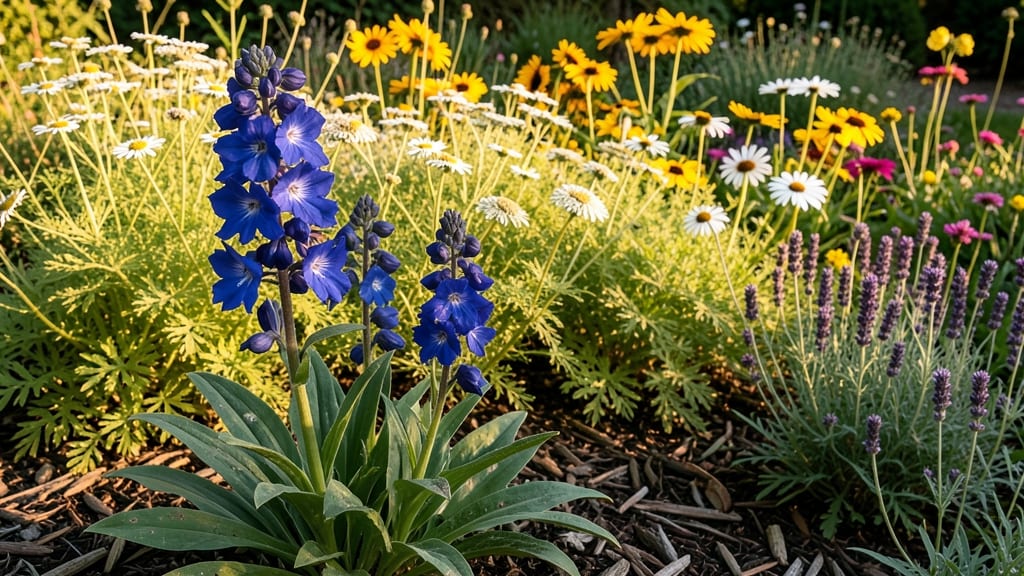
A mixed flower garden bursting with color all year doesn’t need a sprawling backyard—just smart planning and the right plant partners. I transformed my 4x8-foot city plot into a nonstop showstopper by layering plants that bloom in waves, from early spring daffodils to late-fall asters.
The secret isn’t complicated: it’s about pairing heights, textures, and bloom times so gaps never show.
Start with a 3-foot-tall backbone—like coneflowers or black-eyed Susans—to anchor the design, then fill in with mid-height perennials such as Russian sage and salvia. Tuck in low-growing annuals like pansies or sweet alyssum for color at eye level.
My favorite combo? Purple salvia, orange daylilies, and white daisies—it looks like a painter’s palette exploded across the bed. The best part? You’ll get bees, butterflies, and hummingbirds as free decor.
By summer, you’ll have a garden that feels like a living watercolor, with every stroll revealing new shades. The key is seasonal swaps: replace spring bulbs with heat-loving zinnias, then swap those for frost-tolerant mums as temperatures drop.
Even in small spaces, this approach creates drama—think "wow" without the work. Let’s map out your dream bed.
This works for borders, containers, or even a single raised bed. The same principles apply whether you’re going for cottage charm, modern minimalism, or a pollinator paradise. The only rule? Break the "rules" and trust your eye—some of my best combos were happy accidents. Ready to design?
📚 In This Guide
- What you need
- Instructions
- Tips and common mistakes
- Wrapping up and next steps
What you need
- ● Flower Seeds or Plants: Perennials (e.g., Coneflower, Black-Eyed Susan, Salvia) – 3–5 plants per variety
- ● Annuals (e.g., Marigolds, Petunias, Zinnias) – 1–2 packets of seeds or 3–4 plants
- ● Bulbs (e.g., Tulips, Daffodils, Crocus) – 5–10 bulbs per type for seasonal color
- ● Soil & Fertilizer: High-quality potting mix or garden soil (5–10 gallons, depending on space)
- ● Slow-release granular fertilizer (10–20 lbs, 10-10-10 NPK ratio)
- ● Compost or organic matter (2–3 gallons for enriching soil)
- ● Containers or Garden Bed: Planters (5–10 gallons each, 3–5 containers for small spaces)
- ○ Raised beds (optional, 4’x4’ or smaller for better drainage)
- ● Basic Tools: Trowel or small shovel
- ● Garden gloves (1 pair)
- ● Pruners or scissors (for trimming)
- ● Watering can or hose with a gentle spray nozzle
- ● Mulch (2–3 bags, for moisture retention and weed control)
- ● Drip irrigation system (for hands-off watering)
- ● Decorative rocks or pebbles (for a polished look)
- ● Sunlight meter (to check light conditions accurately)
- ● Plant labels (to track varieties and care needs)
Instructions for designing a mixed flower garden that thrives year-round
Here’s how to create a vibrant, low-maintenance flower garden that blooms in every season.
Plan for Seasonal Layers and Height Variation
Start by sketching your space, dividing it into three height tiers: tall (3-6 feet), medium (1-3 feet), and short (under 1 foot). Tall flowers like delphinium or hollyhocks anchor the back, medium-height perennials like coneflowers or black-eyed Susans fill the middle, and low-growing annuals like pansies or sweet alyssum spill forward. This creates visual depth and ensures no bare spots when one season fades into another.
I always map out where each plant will go based on its bloom time—early spring bulbs like daffodils, summer perennials like daylilies, and fall/winter interest from ornamental grasses or seed heads. For example, a 4-foot by 4-foot area can comfortably hold 3 tall plants, 5 medium, and 9 low ones without overcrowding. Space them so mature foliage just touches but doesn’t compete.
Prepare Soil for Diverse Root Needs
Test your soil’s pH and amend it to 6.0-7.0—most flowers thrive in this neutral to slightly acidic range. Work in 2-3 inches of compost into the top 6 inches of soil to improve drainage and fertility. Heavy clay? Mix in 1 part perlite or coarse sand to every 3 parts soil. Sandy soil? Blend in 1 part peat moss to retain moisture.
I dig a 12-inch-deep trench around the perimeter of the garden to bury 6 inches of mulch later. This keeps roots cool in summer and insulated in winter while suppressing weeds. For container gardens, use well-draining potting mix with a slow-release fertilizer mixed in—flowers in pots deplete nutrients faster than in-ground plants.
Plant for Continuous Bloom Cycles
Group plants by their bloom seasons but ensure at least one variety flowers every 6-8 weeks. For example, pair early spring crocuses with mid-summer rudbeckias and late-season asters. Add bulbs like tulips or alliums in fall—they’ll naturalize and return year after year with minimal care.
When planting, dig holes twice as wide as the root ball but no deeper. Gently tease apart roots if they’re circling and place the plant so the top of the root ball sits level with the soil surface. Water deeply immediately after planting to eliminate air pockets. For 4 plants, use 1 gallon of water per plant—this ensures roots establish quickly.
Mulch and Water Strategically for Year-Round Health
Apply 3 inches of organic mulch (like shredded bark or straw) after planting to conserve moisture and regulate soil temperature. Replenish it annually in early spring—this prevents weeds and keeps roots from drying out. For drought-tolerant gardens, water deeply every 5-7 days instead of daily shallow watering. You’ll know it’s enough when moisture reaches 6 inches down.
I set a drip irrigation system on a timer for 30 minutes twice weekly during dry spells. This mimics natural rainfall and encourages deeper root growth. Avoid overhead watering in the evening—wet foliage invites fungal diseases like powdery mildew. Instead, water early morning so leaves dry quickly.
Prune and Maintain for Long-Term Beauty
Deadhead spent blooms weekly to encourage more flowers and prevent self-seeding weeds. For perennials, cut back 1/3 of the foliage in early spring before new growth appears. This removes old debris and makes room for fresh shoots. I always leave 3-4 inches of stem—this protects overwintering plants and prevents rot.
Fertilize lightly in early spring with a balanced 10-10-10 formula—too much nitrogen makes flowers leggy and reduces blooms. For containers, use half-strength liquid fertilizer every 4 weeks during the growing season. Divide clumping perennials like daylilies or hostas every 3-4 years in early fall to keep them vigorous and prevent overcrowding.
Tips & tricks for perfect mixed flower garden design
Creating a thriving year-round flower garden requires more than just planting—it's about strategic planning and thoughtful execution. Here are the key insights I've gathered from years of designing and maintaining vibrant flower beds.
Layering for Visual Impact: When implementing the three-tiered height system from Step 1, consider the mature height of each plant rather than their current size. For example, a 2-foot-tall hollyhock will reach 5-6 feet at maturity, so place it immediately at the back. I've found that spacing medium-height plants 18-24 inches apart creates that perfect "just touching" look without overcrowding, while low-growing annuals should be spaced 9-12 inches apart to allow sunlight to reach all plants.
Soil Preparation Shortcuts: While testing soil pH is ideal, you can estimate your soil type by the feel: clay feels sticky when wet, sandy feels gritty, and loamy feels smooth. For quick amendments, I mix in 1 part compost to 3 parts soil for all garden beds, then adjust based on texture. In containers, I use a blend of 60% well-draining potting mix, 20% perlite, and 20% compost—this creates the perfect balance for container-grown flowers.
Continuous Bloom Strategy: To achieve that 6-8 week bloom cycle mentioned in Step 3, I create a "bloom calendar" mapping out each plant's peak flowering period. For example, pair early spring crocuses (March-April) with late spring tulips (April-May), then bridge to summer coneflowers (June-August) and fall asters (September-October). This ensures you always have something in bloom while transitioning between seasons. I also plant 20% more bulbs than needed—they often multiply and create unexpected surprises.
Watering Efficiency: The 30-minute twice-weekly drip irrigation schedule in Step 4 works wonders, but I've found that adding a moisture meter to your toolkit makes all the difference. These $20 devices tell you exactly when to water by measuring soil moisture at 6 inches deep. I set mine to water when the reading drops below 30%—this prevents both underwatering and overwatering. For container gardens, I use self-watering pots with reservoirs that hold 1-2 gallons of water, reducing the need for daily attention.
Pro Tips for Mixed Flower Garden
- Creating a thriving year-round flower garden requires more than just planting—it's about strategic planning and thoughtful execution.
- Layering for Visual Impact: When implementing the three-tiered height system from Step 1, consider the mature height of each plant rather than their current size.
- Soil Preparation Shortcuts: While testing soil pH is ideal, you can estimate your soil type by the feel: clay feels sticky when wet, sandy feels gritty, and loamy feels smooth.
Frequently asked questions
Got questions about creating a stunning mixed flower garden that blooms year-round? You’re not alone!
Here are answers to the most common queries to help you design with confidence.
What’s the best way to arrange flowers for continuous blooms?
Layer plants by bloom time—pair early spring bulbs (like daffodils) with mid-season perennials (e.g., coneflowers) and late-blooming annuals (e.g., cosmos). Add evergreens (like heuchera) for winter structure. Group 3-5 plants per type for visual impact and easier maintenance.
How long does it take for a mixed flower garden to look full?
Most gardens show noticeable progress in 3–6 months, but full maturity (peak color and density) takes 1–2 years. Annuals deliver instant gratification, while perennials build slowly. Patience pays off! Add seasonal fillers (like pansies) early to mask gaps.
Can I create a mixed flower garden on a budget?
Start with seed packets (cheaper than transplants) and swap divisions with neighbors. Use native plants (they’re hardy and low-cost). Repurpose containers (old buckets, pallets) for vertical gardens. Focus on 3–5 star plants (like black-eyed Susans) for maximum impact.
How do I keep pests away without chemicals?
Encourage beneficial insects (ladybugs, lacewings) with neighborhood plants like alyssum or dill. Handpick slugs (use beer traps!) and mulch heavily to deter weeds. Rotate plant families yearly to disrupt pest cycles. A 1% vinegar spray (1 tbsp per gallon) works for soft-bodied bugs.
What if my garden looks sparse in winter?
Don’t worry—winter is the perfect time for structure and texture! Add ornamental grasses (like fountain grass), evergreen shrubs (e.g., boxwood), or bare-stem plants (dogwood, witch hazel). Mulch heavily (3–4 inches) to protect roots and retain moisture for spring.
Can I replace flowers after they die back?
Yes! Perennials often return year after year, but annuals need replacing. For gaps, try self-seeding flowers (e.g., poppies, nigella) or cut-and-come-again plants (like zinnias). Deadhead spent blooms to redirect energy to roots or foliage.
Wrapping up and next steps
A mixed flower garden proves that beauty doesn’t require space—just creativity and a little effort! By blending perennials, annuals, and seasonal blooms, you’ve unlocked a vibrant, low-maintenance oasis that thrives year-round. Whether you’re a green thumb or just starting, this approach shows that every inch counts.
Ready to take the next step? Sketch your dream layout—grab a notebook or a free gardening app to map out colors, heights, and bloom times. Then, start small: plant a single bed or even a few pots to test what works best.
Your garden’s transformation begins with one seed, one shovel, and one bold idea. 🌸✨