
Landscaping
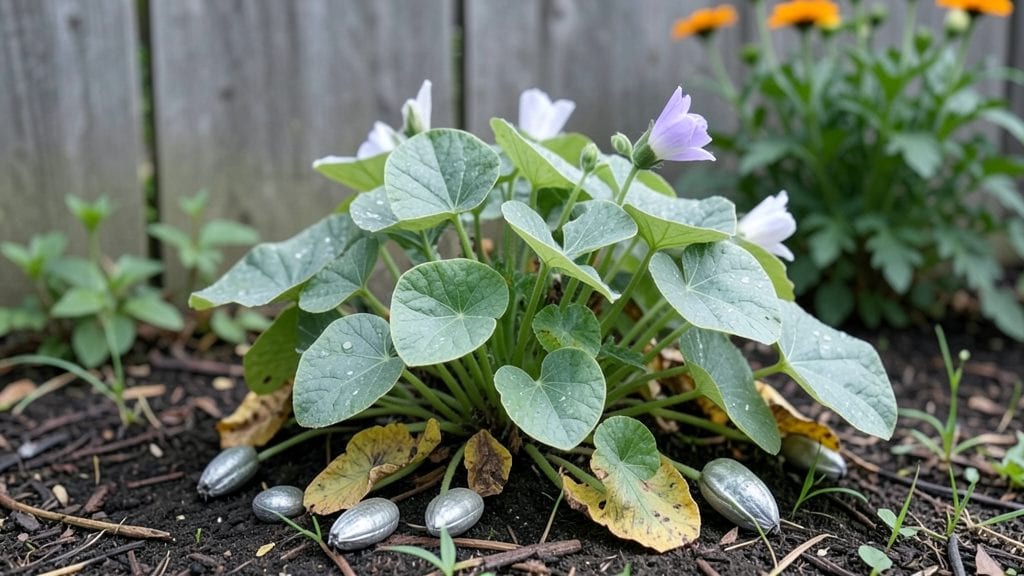
A moon garden blooms under moonlight, turning your yard into a luminous dream. ✨ I designed mine after struggling with a dark corner that felt lifeless—until I filled it with silvery foliage and white flowers that glow at night.
The trick is choosing plants that reflect light naturally, like lamb’s ear, dusty miller, and night-blooming jasmine.
Start with a 5-foot-square area in partial shade, where moonlight can highlight textures. Layer plants by height: tall grasses like fountain grass at the back, mid-height shrubs like abelia, and low-growing ground covers like ajuga in front.
Add a solar-powered LED light near seating areas to extend the magic after dark.
By midsummer, your garden will shimmer with velvety leaves and fragrant blooms that open only at night. The scent of night-blooming flowers like evening primrose will drift through the air, creating a serene atmosphere perfect for stargazing or quiet evenings.
This design works year-round—evergreens like boxwood and silver birch keep structure in winter, while spring bulbs like snowdrops add early color. Even beginners can pull it off with the right plant list and a little moonlight patience.
📚 In This Guide
- What you need
- Instructions
- Tips and common mistakes
- Wrapping up and next steps
What you need
- ● Moonlight-loving plants (5–10+ varieties): White flowers: Moonflower (Ipomoea alba), White Gardenia (Gardenia jasminoides), White Lilies (Lilium spp.)
- ● Silver/blue foliage: Lamb’s Ear (Stachys byzantina), Silver Falls Dichondra (Dichondra argentea), Artemisia (e.g., ‘Powis Castle’)
- ● Night-bloomers: Evening Primrose (Oenothera biennis), Night-Scented Stock (Matthiola longipetala)
- ● Soil amendments: 2–3 bags of organic compost or peat moss (per 10 sq. ft. of bed)
- ● Mulch: 1–2 bags of light-colored mulch (e.g., straw or pine bark) to reflect moonlight
- ● Digging & prep: Garden trowel or spade
- ● Hand pruners (for trimming)
- ● Garden hose with spray nozzle (or watering can)
- ● Layout & design: Measuring tape
- ● Garden stakes & twine (for marking plant placements)
- ○ String lights (optional, for ambiance)
- ● A partially shaded to fully shaded area (6+ hours of indirect light daily)
- ● Well-draining soil (amend with compost if clay-heavy)
- ● Access to water (drip irrigation or manual watering)
- ○ Optional but magical: A small water feature (e.g., fountain) to enhance the moonlight effect
Step-by-step instructions for designing a stunning moon garden
Here’s how to craft a serene nighttime retreat using whites, silvers, and soft textures that glow under moonlight.
🌱 Step 1: Choose the Perfect Location for Maximum Moonlight
Moon gardens thrive where moonlight reflects off foliage and flowers, so select a spot with minimal overhead obstructions. A north-facing area (in the Northern Hemisphere) or a south-facing area (in the Southern Hemisphere) ensures the garden receives soft, diffused moonlight without harsh shadows. Avoid low-lying spots where dew pools—this can lead to fungal issues in tender plants.
Test your location by observing how moonlight illuminates the space at night. If the area stays dark even under a full moon, consider adding reflective surfaces like smooth river stones or a mirrored planter to amplify the glow. I like to sketch the garden layout during daylight to visualize how shadows will shift throughout the lunar cycle.
🌿 Step 2: Select Plants with Silver and White Foliage for Dramatic Contrast
Start with silver foliage plants like lamb’s ear (Stachys byzantina), dusty miller (Jacobaea maritima), or artemisia (Artemisia ‘Powis Castle’)—these act as the garden’s luminous backbone. Pair them with white-blooming flowers such as moonflower (Ipomoea alba), white cleome (Cleome hassleriana), or night-scented stock (Matthiola longipetala) for a celestial effect. I always include at least one fragrant night-bloomer—like evening primrose (Oenothera biennis)—to engage the senses after dark.
Arrange plants in odd-numbered groupings (threes or fives) to create natural focal points. Taller varieties like silver sage (Salvia argentea) should anchor the center, while trailing plants like white sweet alyssum (Lobularia maritima) spill over edges for a soft, cascading effect. Avoid overcrowding—12-18 inches between mature plants ensures airflow and prevents mildew.
☀️ Step 3: Layer Light and Texture with Strategic Plant Placement
Divide the garden into three distinct layers: tall backdrop plants, mid-height accents, and low-growing ground covers. Use tall silver grasses like miscanthus (Miscanthus sinensis ‘Zebrinus’) as vertical accents to catch moonlight and cast intricate shadows. Place white blooms like angel’s trumpet (Brugmansia ‘White Queen’) near seating areas so their scent and glow draw visitors in after sunset.
Incorporate textural contrast with smooth leaves (like lamb’s ear) alongside spiky silver foliage (like artemisia). I often weave in white pebbles or crushed seashells along pathways to reflect moonlight upward, enhancing the garden’s ethereal quality. Mulch with white gravel to keep the design cohesive and deter weeds without competing with the plants’ luminosity.
💧 Step 4: Water and Maintain for Long-Lasting Moonlit Beauty
Moon gardens require consistent moisture to keep foliage crisp and reflective, but avoid soggy soil—water deeply 2-3 times per week (adjust for rainfall) until the top 2 inches of soil feel dry. Early morning watering prevents fungal spores from thriving overnight. I use a drip irrigation system buried beneath the mulch to deliver water slowly without disturbing the delicate foliage.
Fertilize lightly with a balanced, slow-release fertilizer (like 10-10-10) at planting and again in midsummer. Over-fertilizing can lead to lush, floppy growth that loses its structural elegance. Deadhead spent blooms regularly to encourage continuous flowering, and prune leggy stems in early spring to maintain a compact, moonlit silhouette.
✂️ Step 5: Enhance the Magic with Moonlight-Friendly Hardscaping
Add solar-powered uplighting or battery-operated LED path lights to highlight key plants, but keep fixtures warm white (2700K) to preserve the garden’s natural glow. I like to embed glowing pebbles along borders—they charge during the day and emit a soft blue light at night, mimicking moonlight. For a whimsical touch, hang white glass ornaments from branches to catch and scatter light.
Include a seating area with white or silver fabric cushions to create a focal point where visitors can relax under the moonlight. Arrange scented plants like night-blooming jasmine (Jasminum sambac) near seating to enhance the sensory experience. The goal is to design a space that feels alive and enchanted long after the sun sets.
Tips & tricks for perfect moon garden designs
Creating a moon garden that truly shines at night requires attention to detail—here are the secrets to making your ethereal retreat truly magical.
Location Scouting: Between us, I've planted moon gardens in spots that looked perfect during the day only to discover they stayed dark at night. The key is testing your location during the full moon—if the area remains dim, add reflective elements like smooth river stones or mirrored planters to redirect moonlight. I've found that north-facing (Northern Hemisphere) or south-facing (Southern Hemisphere) locations capture the softest, most diffused light for that dreamy effect.
Plant Pairing Strategy: Don't just mix white and silver plants—think about their textures too. The contrast between velvety lamb's ear and spiky artemisia creates visual interest that glows under moonlight. I always group plants in odd-numbered clusters (threes or fives) to create natural focal points. Pro tip: Place fragrant night-bloomers like evening primrose near seating areas so their scent becomes part of the nocturnal experience.
Layering Like a Pro: The three-layer approach—tall backdrops, mid-height accents, and low ground covers—is non-negotiable for depth. I recommend using miscanthus grasses as vertical accents because they catch moonlight like natural chandeliers. For the middle layer, angel's trumpet not only adds height but its intoxicating scent draws visitors in after dark. And that white gravel mulch? It's not just functional—it ties the whole design together with a cohesive, luminous look.
Maintenance Secrets: Here's what nobody tells you—moon gardens need consistent moisture but hate soggy soil. I've ruined two gardens by overwatering, so I now use drip irrigation buried beneath mulch to deliver water slowly without disturbing delicate foliage. And that 2-3 times per week watering? Time it for early morning to prevent fungal issues that thrive in damp nighttime conditions. The goal is crisp, reflective foliage that sparkles under moonlight, not wilted messes.
Pro Tips for Moon Garden Designs
- Creating a moon garden that truly shines at night requires attention to detail—here are the secrets to making your ethereal retreat truly magical.
- Location Scouting: Between us, I've planted moon gardens in spots that looked perfect during the day only to discover they stayed dark at night.
- Plant Pairing Strategy: Don't just mix white and silver plants—think about their textures too.
Frequently asked questions
Got questions about creating your own moon garden? You’re not alone! Here are some of the most common queries—and their answers—to help you craft a dreamy, low-light sanctuary.
What plants thrive best in a moon garden with minimal sunlight?
Opt for shade-tolerant stars like heuchera (coral bells), hostas, lamium, and ferns. For silver foliage, try lamium ‘Silver Frost’ or heuchera ‘Silver Scrolls’. These beauties flourish in dappled light or partial shade, making them perfect for moonlit vibes.
How long does it take to see noticeable results in a moon garden?
Most moon garden plants establish within 1–2 seasons, but silver foliage (like artemisia) may take 3–4 months to fill out. Patience pays off—layering perennials with annuals (e.g., pansies) can add instant drama while you wait!
Can I create a moon garden in a small space, like a balcony or courtyard?
Use containers or hanging baskets for trailing plants like sweet woodruff or variegated ivy. Even a single large pot with a mix of silver foliage and white blooms (e.g., dianthus) can mimic the magic of a full garden.
How do I keep my moon garden looking fresh in rainy or humid climates?
Silver foliage can rust in damp conditions, so choose disease-resistant varieties (e.g., ‘Silver Mound’ artemisia) and ensure proper drainage. Prune leggy stems and mulch to prevent fungal issues. A morning watering lets foliage dry before evening dew sets in.
What’s the easiest way to add a “moonlit” glow without electricity?
Reflective surfaces and strategic lighting tricks work wonders! Place mirrored planters or glossy pebbles near plants to amplify moonlight. For extra sparkle, use white-painted stones or glow-in-the-dark stakes—nature’s own nightlight!
Wrapping up and next steps
Creating a moon garden is like crafting a dreamy, nocturnal oasis right in your backyard—where silvery whites and ethereal foliage transform your space into a serene escape.
Whether you’re drawn to the romantic charm of night-blooming flowers or the practical elegance of low-maintenance plants, this design offers both beauty and tranquility. 🌙✨
Now that you’re inspired, why not take the next step? Start small with a single moonlit corner or sketch a full layout—your garden’s magic is just a shovel’s depth away! 🌱