
Pests
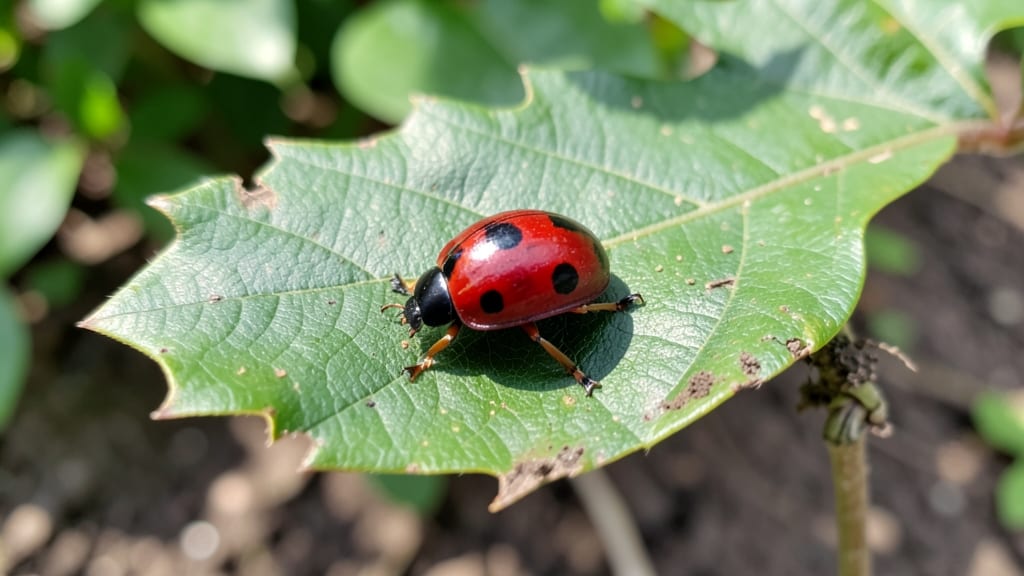
This natural way to get rid of ants in the garden worked like magic—just a citrus-vinegar barrier trick that actually stopped the tiny invaders and saved my tomatoes. 🌿 Most "natural" solutions either fail or require toxic chemicals, but this one stops them dead in their tracks without harming plants or pollinators.
Here's the game-changer: mix equal parts white vinegar and water in a spray bottle, add a few drops of citrus essential oil (or just crush some peels), and apply it along garden edges, around plants, and near entry points.
The strong smell masks their trails while the acid disrupts their communication. Reapply after rain, and you'll see trails disappear within hours—not weeks. It's safe for kids and pets too, which matters when you're growing food for the family.
What you'll notice first is the immediate halt in ant traffic, followed by fewer aphids and healthier plants. My tomato leaves stopped curling within a week, and the soil stayed free of those telltale mounds.
The best part? This method prevents future invasions by making your garden smell like a no-go zone to ants. You'll wonder why you didn't try it sooner.
Works for vegetable gardens, flower beds, and even patios—just avoid spraying on delicate foliage. For stubborn colonies, combine with diatomaceous earth around the base of plants. The key is consistency: ants give up when their routes are constantly disrupted. Ready to reclaim your garden without chemicals?
Root Causes of Garden Ants
Ants don’t just wander into your garden by accident—they’re drawn there by specific triggers tied to their survival instincts. Understanding these causes is the first step to preventing and eliminating them naturally. Here’s why your garden might be hosting an uninvited ant party:
Ants are master foragers, and your garden’s hidden snacks are their biggest motivator. These tiny workers release pheromone trails to recruit thousands of nestmates to a food source—so one spill can turn into an infestation.
- Fruit & Veggie Waste: Overripe fruits, fallen berries, or even compost piles (if not properly managed) emit fermenting sugars that ants love.
A single dropped strawberry can trigger a trail of 10,000+ ants within hours. - Nectar & Honeydew: Plants like aphids, scale insects, or even your flowering herbs produce sticky honeydew—a liquid goldmine for ants.
They "farm" these pests to harvest the sugary secretion, protecting them in exchange. - Pet Food & Spills: Uneaten pet food, birdseed, or even a dripped soda can create a smorgasbord. Ants will carry food back to their colony, expanding their numbers near your garden.
💡 Pro Tip: Conduct a "sugar audit" of your garden. Check under pots, along fences, and near compost bins for hidden food sources. Seal trash cans tightly and clean up spills immediately—ants scout within minutes.
Ants need water to survive, and your garden might be offering them a free spa day. Moisture attracts them like a magnet, especially during dry spells when natural water sources dwindle.
- Leaky Hoses & Irrigation: A slow drip or soggy mulch creates a high-humidity zone where ants build satellite nests.
Carpenter ants, in particular, thrive in damp wood (like mulch or untreated lumber). - Poor Drainage: Low spots in your lawn or garden where water pools become ant highways.
Fire ants, for example, build mounds in these areas to regulate moisture for their queen. - Shady & Hidden Spaces: Ants avoid direct sunlight, so they nest under rocks, logs, or dense ground cover.
Even a small gap in your patio stones or a pile of leaves can become their HQ.
🔥 Actionable Fix: Improve drainage with sand or gravel, and avoid overwatering. Store firewood away from your garden (ants hitchhike on it!), and keep mulch at least 6 inches away from your home’s foundation.
Believe it or not, some plants attract ants because they secrete chemicals that mimic food signals. Meanwhile, disturbed soil exposes their hidden colonies to the surface.
- Ant-Loving Plants: Plants like mint, tansy, or citrus (ironically!) can attract ants due to their volatile oils. Some ants even "tend" these plants to harvest their nectar or seeds. - Disturbed Soil: Digging, tilling, or even heavy foot traffic can disrupt underground ant colonies.
When threatened, they scatter and build new nests nearby—often right in your flower beds. - Protein Deficiencies: Worker ants need protein to feed their queen and larvae. They raid gardens for insects (like grubs or beetles) or even pet waste to balance their diet.
🌡️ Science Note: Ants have specialized receptors that detect chemical cues from plants. For example, they’re drawn to the scent of damaged leaves because it signals easy prey (like aphids feeding on the plant).
Ants are territorial, and your garden might be the perfect real estate for them to expand their empire. If their current nest is overcrowded or resources are scarce, they’ll send scouts to invade new areas.
- Overcrowded Colonies: A single ant colony can house millions. When space or food runs low, they split into "bud" colonies, often right next to your property line. - Competing Species: Different ant species (like fire ants vs. pavement ants) fight over turf.
If you see aggressive raids, it’s likely a turf war—and your garden is the battleground. - Seasonal Swarms: In spring and summer, ant queens fly to find new nesting sites. If your garden has loose soil or cracks, they’ll land and start a colony overnight.
✨ Key Insight: Ants don’t just wander in—they’re strategically claiming your garden. Blocking their entry points (like cracks in your patio) can stop them before they take over.
Sometimes, the problem isn’t nature—it’s us. Unintentional habits create the perfect conditions for ants to move in.
- Composting Mistakes: Open compost piles or improperly managed bins become ant buffets. Heat and moisture in compost attract them like a five-star restaurant. - Landscaping Choices: Using untreated wood, bark mulch, or dense ground cover gives ants shelter and nesting material.
Even a single log lean can house a colony. - Ignoring Early Signs: A few ants in spring? That’s their scout team. By the time you see trails, they’ve already established multiple nests.
🎯 Prevention Hack: Use ant-resistant mulch (like cedar chips) and keep compost in sealed bins with tight-fitting lids. A 1-inch layer of diatomaceous earth around the bin’s edge acts as a natural barrier.
Natural Fixes for Ant Problem
Ants in your garden aren’t just a nuisance—they can disrupt your plants, soil, and even your outdoor meals! 🍋🐜 The good news? You don’t need harsh chemicals to kick them out. Below are effective, natural solutions tailored to common causes, plus prevention tips to keep your garden ant-free long-term.
If you’ve spotted ants marching in straight lines, they’re likely foraging for food. Citrus and vinegar disrupt their scent trails and repel them naturally.
🍋 Step 1: Create a Citrus Spray
- Mix 1 cup of water with 10-15 drops of citrus essential oil (lemon, orange, or lime work best).
- Spray along ant trails, garden edges, and near entry points (like cracks in paving or under pots).
- Reapply every 2-3 days or after rain.
🍳 Step 2: Set Up a Vinegar Barrier
- Combine 1 part white vinegar with 1 part water in a spray bottle.
- Lightly spray around the perimeter of your garden, flower beds, and near ant hills.
- The strong smell masks their pheromone trails, confusing them enough to deter them.
✨ Pro Tip: For extra potency, add a few drops of peppermint oil to the vinegar mix—ants hate the scent!
Ants follow food like a GPS. If they’re swarming your garden, they’re probably drawn to:
- Sugary substances (spilled drinks, ripe fruit, honeydew from aphids)
- Greasy residues (pet food, fallen nuts, or leftover picnic scraps)
- Protein-rich spots (dead insects, compost piles, or pet waste)
🥘 Step 1: Clean Up Like a Detective
- Remove fallen fruit, pet food, and crumbs from your garden immediately.
- Wipe down picnic tables and outdoor furniture with a vinegar-water solution.
- Check for aphids or scale insects—ants farm these pests for honeydew.
Spray affected plants with soapy water (1 tsp mild soap per quart of water).
🔪 Step 2: Use Natural Ant Baits (Without Harming Your Garden)
Instead of killing ants outright (which can scatter and create more problems), lure them away with baits: - Borax-free option: Mix peanut butter + powdered sugar in a shallow dish.
Ants carry it back to the colony, disrupting their food chain. - Diatomaceous earth (food-grade): Sprinkle lightly around entry points. It dehydrates ants but is safe for plants and pets (just avoid inhaling it!).
💡 Pro Tip: Place baits far from your garden (like near a fence or shed) to encourage ants to relocate.
If you’re dealing with mounds of dirt, you’ve got a full-blown ant colony to deal with. Heat and disruption are your best tools.
⏰ Step 1: Boiling Water Attack (For Small Hills)
- Pour 1-2 cups of boiling water directly into the ant hill’s entrance.
- Repeat every few days until the mound collapses (ants are sensitive to heat!).
- Best for: Small hills in lawns or flower beds.
🌱 Step 2: Solarize the Soil (For Large Colonies)
- Cover the ant hill with clear plastic sheeting (like a greenhouse effect).
- Leave it in full sun for 3-5 days.
The heat will kill larvae and disrupt the colony. - Bonus: This also sterilizes the soil for other pests!
✨ Pro Tip: After treating, add diatomaceous earth to the area to prevent regrowth.
Once you’ve evicted the ants, lock them out with these habits:
- Mulch properly: Use cedar mulch (natural ant repellent) or crushed eggshells around plants.
- Seal entry points: Fill cracks in patios, walkways, and woodpiles with caulk or sand.
- Plant ant-repelling herbs: Basil, mint, and lavender confuse ant scent trails.
- Keep compost covered: Ants love moist, decaying matter—use a tight-fitting lid on bins.
- Regularly inspect: Check for new trails or hills every few weeks, especially after rain.
Final Thought: Ants are persistent, but with citrus, vinegar, and smart prevention, you can reclaim your garden without chemicals. 🚫🐜 Start with the fixes that match your problem, and soon you’ll enjoy a pest-free outdoor space!
Frequently asked questions
Why do ants suddenly appear in my garden after it rained?
Rain exposes hidden food sources and disrupts ant scent trails, making them more visible. The moisture also activates their foraging instincts, and they'll swarm to find shelter and food. Focus on cleaning up fallen fruit and sealing entry points after rain to prevent them from settling in.
Can I use coffee grounds to repel ants naturally?
Yes! Sprinkle used coffee grounds around garden edges or plant bases—the strong smell masks ant trails. Just avoid overapplying, as too much can make soil acidic. For best results, combine with a vinegar barrier for a double-layered defense.
How long does it take for natural methods like vinegar to work?
You'll often see results within 24-48 hours if you apply it consistently. For stubborn colonies, combine vinegar with diatomaceous earth and reapply every 2-3 days or after rain. Patience is key—ants give up when their trails are constantly disrupted.
Are citrus sprays safe for my plants and pets?
When used correctly, they're completely safe! Dilute essential oils properly (10-15 drops per cup of water) and avoid spraying directly on leaves. For pets, keep them away until the spray dries. Always test a small area first to ensure no sensitivity.
What should I do if ants keep coming back after treatment?
Persistent ants likely have multiple nests or new scouts arriving. Check for hidden entry points (like cracks or mulch piles) and expand your barrier treatment. Add natural repellent plants (like mint or basil) near problem areas, and consider solarizing soil for underground colonies.