
Neem Oil
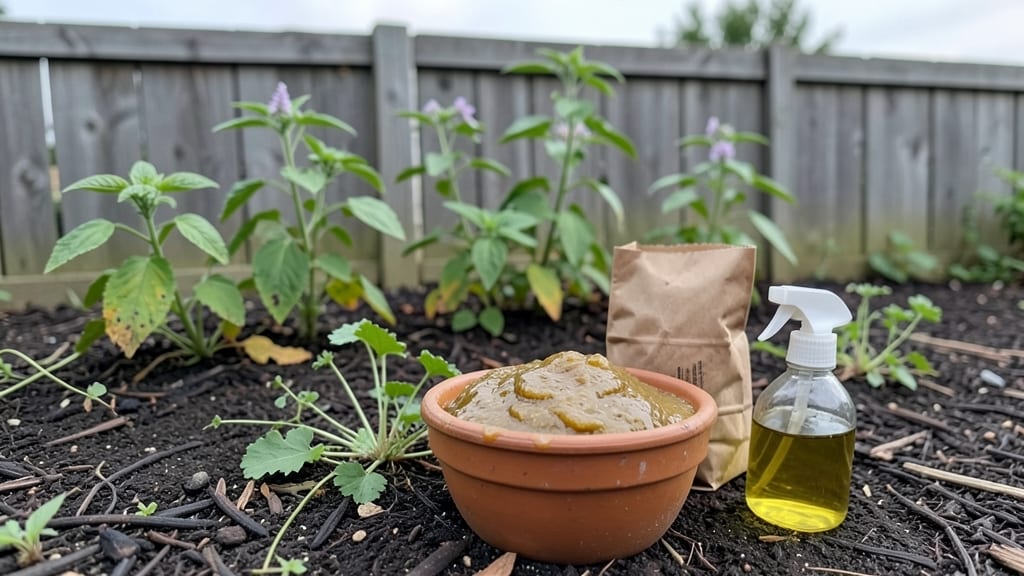
Neem oil for garden use works as a natural pesticide, fungicide, and weed suppressant by disrupting insect life cycles, inhibiting fungal growth, and smothering weeds without synthetic chemicals. Dilute properly and apply during early morning or evening for best results.
Neem oil’s power comes from its natural compounds, like azadirachtin, which messes with pests’ hormones and stops them from eating or reproducing. 🌱 It’s also a game-changer for fungal diseases—think powdery mildew or rust—by blocking spore growth before it spreads.
Unlike harsh chemicals, it breaks down safely in soil, making it a go-to for organic gardeners who want results without harming the ecosystem.
For best results, I always mix it with water and a drop of dish soap to help it stick to plant surfaces. Early morning or evening applications avoid burning plants in the sun, and reapplying every 7-14 days keeps pests and fungi at bay.
Just avoid spraying bees or other pollinators—they’re sensitive to even natural oils!
💡 In This Article
- How Neem Oil Works Against Pests and Fungi
- Best Practices for Applying Neem Oil in Gardens
How neem oil works against pests and fungi
Neem oil's powerhouse compound, azadirachtin, acts like a biological disruptor for insects. When pests ingest it, this limonoid interferes with their hormonal systems, specifically targeting ecdysteroids that regulate molting.
At concentrations as low as 0.05%, azadirachtin prevents caterpillars from shedding their exoskeletons, while higher doses (0.1-0.5%) stop aphids from feeding entirely. The oil also contains salannin and nimbin, which act as feeding deterrents by altering the taste and smell of plant surfaces.
The antifungal magic happens through triterpenoids like gedunin and nimbolide, which disrupt fungal cell membranes. These compounds penetrate fungal spores and mycelium, preventing germination and growth. For example, against powdery mildew (Erysiphe spp.), neem oil inhibits spore production by up to 90% when applied preventively.
The oil's lipophilic nature allows it to coat plant surfaces, creating a protective barrier that blocks fungal spores from attaching and colonizing leaves.
What's fascinating is how neem oil targets different life stages of pests and fungi. For soft-bodied insects like mites, the oil's smothering effect suffocates them by clogging their respiratory systems, while for hard-shelled pests like beetles, azadirachtin disrupts their reproductive cycles.
Against fungal diseases like black spot (Diplocarpon rosae), the oil's active compounds interfere with the fungus's ability to produce enzymes needed for infection.
Temperature plays a surprising role in effectiveness. Neem oil works best between 60-85°F, as cooler temperatures slow down the evaporation of the oil's volatile compounds, giving them more time to penetrate pests and fungi. In hotter conditions above 90°F, the oil can degrade faster, reducing its efficacy.
This is why early morning or evening applications are ideal—the cooler temperatures and lower UV exposure preserve the oil's active ingredients longer.
Here's what happens at the microscopic level: When neem oil coats fungal hyphae, it creates a physical barrier that prevents nutrient absorption. The oil's amphiphilic properties (both water-attracting and oil-repelling) allow it to penetrate fungal cell walls while disrupting their lipid membranes.
This dual action makes it particularly effective against stubborn pathogens like Botrytis cinerea, which causes gray mold in gardens.
The real advantage over synthetic fungicides is selectivity. Neem oil targets only harmful organisms without disrupting beneficial microbes in the soil. Unlike broad-spectrum chemicals that kill everything, its precise biochemical action means earthworms, mycorrhizal fungi, and other soil organisms remain unharmed.
This ecological balance is why organic gardeners consider it one of nature's most sophisticated pest control tools.