
Tools
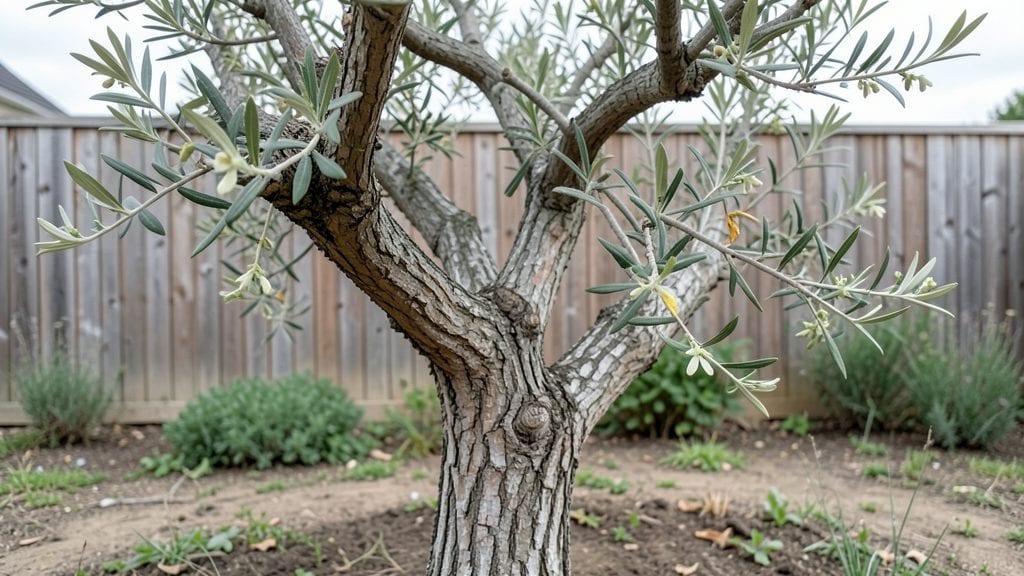
Designing an olive tree garden brings Mediterranean charm to even the smallest yard. 🌿 I transformed my narrow city lot into a sun-drenched retreat with just three dwarf olive trees and a few strategic companion plants.
The key isn't space—it's creating visual layers that make the garden feel grander than its footprint.
Start with the right varieties: Arbequina and Frantoio dwarfs stay under 10 feet tall, perfect for patios or small yards. Pair them with lavender, rosemary, and thyme—they love the same dry, sunny conditions and add aromatic texture.
For instant drama, plant them near a gravel path or along a low wall where their silvery-green leaves catch the light.
You'll create a garden that feels like a Tuscan hillside, even in a postage-stamp backyard. The mature trees provide shade for summer lounging, while their gnarled trunks add rustic character. Plus, the scent of crushed leaves when you brush past them? Pure Mediterranean magic that lasts all season.
Works for containers too—just use 5-gallon pots for young trees and move them to larger ones as they grow. The same principles apply whether you're planting in soil or pots: sun, companions, and that signature Mediterranean flair. Let's bring it to your space!
📚 In This Guide
- What you need
- Instructions
- Tips and common mistakes
- Wrapping up and next steps
What you need
- ● Olive tree saplings: 1-3 (choose dwarf varieties like Arbequina or Frantoio for small spaces)
- ● High-quality potting mix: 5-10 gallons (well-draining, slightly alkaline, pH 6.0-8.0)
- ● Containers or raised beds: 1-3 large pots (15-20 gallons each) with drainage holes, or
- ● A raised bed (minimum 2’x2’ for multiple trees)
- ● Mulch: 2-3 bags (straw, wood chips, or gravel to retain moisture and regulate temperature)
- ● Slow-release fertilizer: 1-2 bags (balanced 10-10-10 or olive-specific blend)
- ● Garden gloves (1 pair, heavy-duty)
- ● Trowel or hand shovel (for planting)
- ● Pruning shears (sterilized, sharp)
- ● Watering can or hose with nozzle (with a gentle spray setting)
- ○ pH testing kit (optional but helpful for soil monitoring)
- ○ Drip irrigation system (optional, for consistent moisture)
- ● Sunlight: 6+ hours of direct sun daily (south-facing spot ideal)
- ● Climate: USDA Zones 8-10 (or indoor grow lights for colder zones)
- ● Water access: Nearby spigot or portable water source
- ● Space planning: Measure your area—olive trees need 6-10’ apart for airflow
Step-by-step instructions for designing a compact olive tree garden
Here's how to create a stylish Mediterranean oasis with four olive trees in limited space.
🪴 Step 1: Choose and Prepare the Right Containers
Select 15-gallon containers with drainage holes for each tree—olives hate soggy roots. I use terra cotta pots because they breathe and wick away excess moisture. Place a 2-inch layer of gravel at the bottom of each container to improve drainage and prevent compaction.
Fill the pots with a mix of 60% potting soil and 40% coarse sand or perlite. This well-draining blend mimics the Mediterranean soil where olives thrive. Tap the container gently to settle the mix without compacting it too tightly.
☀️ Step 2: Plant Olive Trees at the Correct Depth
Dig a hole in each container that's just deep enough to accommodate the root ball without burying the trunk. The top of the root ball should sit 1 inch below the container rim—this prevents water from pooling against the trunk. Gently remove the tree from its nursery pot and loosen the roots if they're circling.
Place the tree in the hole and backfill with the soil mix, pressing lightly around the edges. Water immediately after planting to help settle the soil and eliminate air pockets. You'll see the soil level drop slightly as it compacts—add more mix if needed to maintain that 1-inch depth.
💧 Step 3: Establish a Watering Routine
Water deeply once a week during the first month, letting 2 gallons of water run through each container. The goal is to saturate the entire root zone without creating runoff. Check moisture by sticking your finger 2 inches into the soil—if it feels dry, water again.
After the first month, reduce to every 10-14 days unless your area experiences extreme heat. Olive trees are drought-tolerant once established, but young trees need consistent moisture. Always water at the base rather than overhead to prevent fungal issues.
✂️ Step 4: Prune for Shape and Health
Wait until spring to prune your olive trees for the first time. Use clean, sharp pruners to remove any dead, crossing, or inward-growing branches. I also trim back any suckers growing from the base—these divert energy from the main trunk. Cut just above a leaf node or bud to encourage healthy regrowth.
Shape the tree by selectively pruning branches to create an open canopy. This improves airflow and sunlight penetration, which prevents disease and encourages fruit production. Never remove more than 25% of the foliage in one pruning session—this stresses the tree.
🌿 Step 5: Maintain Mediterranean Conditions
Olive trees thrive in full sun (6+ hours daily), so place your containers where they'll get maximum sunlight. If you're in a cooler climate, supplement with a grow light during winter months when daylight is limited. The ideal temperature range is 65-85°F—keep them away from drafts or extreme heat sources.
Fertilize lightly in spring with a balanced 10-10-10 fertilizer, using half the recommended dose. Over-fertilizing leads to excessive leaf growth at the expense of fruit production. Watch for signs of nutrient deficiency—yellowing leaves often indicate a need for more iron or nitrogen.
Tips & tricks for perfect olive tree garden design
Creating a thriving olive tree garden in limited space takes thoughtful planning—here are the key strategies that'll make all the difference.
Container Selection: Terra cotta pots are ideal because they wick away excess moisture, but if you prefer plastic, choose containers with drainage holes and add extra gravel at the bottom. The 15-gallon size is critical—it provides enough room for root growth while keeping the tree manageable. I've found that adding saucers underneath catches runoff and prevents water damage to surfaces below.
Soil Mix Matters: That 60-40 blend of potting soil and sand/perlite is non-negotiable—it mimics Mediterranean conditions perfectly. For the best results, use a high-quality potting mix designed for citrus or Mediterranean plants. If you notice the soil compacting too much after planting, add a little extra perlite to maintain that airy texture we want for olive roots.
Planting Depth: The 1-inch depth below the rim is crucial—it prevents water from pooling against the trunk while keeping the root ball stable. I've learned this the hard way: planting too deep can cause rot, while too shallow makes the tree unstable. After planting, give each tree a gentle shake to ensure the soil settles naturally around the roots without compacting.
Sunlight Strategy: While olive trees need full sun, direct afternoon sun in hot climates can scorch leaves. I've found that positioning trees slightly east-west in their containers creates natural shade during peak heat. If you're in a cooler climate, supplement with grow lights during winter months when daylight drops below 6 hours—just 4-6 hours of artificial light can make all the difference during dormancy.
Pro Tips for Olive Tree Garden
- Creating a thriving olive tree garden in limited space takes thoughtful planning—here are the key strategies that'll make all the difference.
- Container Selection: Terra cotta pots are ideal because they wick away excess moisture, but if you prefer plastic, choose containers with drainage holes and add extra gravel at the bottom.
- Soil Mix Matters: That 60-40 blend of potting soil and sand/perlite is non-negotiable—it mimics Mediterranean conditions perfectly.
Frequently asked questions
Got questions about creating your own olive tree garden? Here are some of the most common ones—plus straightforward answers to help you get started with confidence!
Can I grow olive trees in small spaces like containers or urban yards?
Dwarf varieties (like Arbequina or Little Ollie) thrive in containers as small as 15-gallon pots. Just ensure they get 6+ hours of sunlight daily and use well-draining soil. For urban gardens, prioritize vertical space—train trees against trellises or walls for a Mediterranean-inspired look!
How long does it take for an olive tree to bear fruit?
Patience is key! Most olive trees take 3–5 years to produce fruit, though some dwarf varieties may fruit in 2 years with ideal care. Young trees focus on root growth first—keep soil moist, fertilize lightly, and avoid over-pruning. Pro tip: Plant two trees for cross-pollination if you want reliable harvests!
What’s the best time of year to plant olive trees?
Fall (late September–November) is ideal in most climates—cooler temps reduce transplant shock, and roots establish before winter. In warmer regions (Zones 8–10), plant in early spring to avoid summer heat stress. Avoid extreme heat or frost periods; young trees are delicate!
How do I protect my olive trees from pests and diseases?
Olive trees are hardy but can face scale insects, spider mites, or root rot. Prevent pests with copper spray (for scale) or neem oil (for mites). Ensure proper drainage to avoid root rot—raise containers slightly or amend soil with perlite. Prune regularly to improve airflow and spot issues early. Warning: Avoid overwatering!
Do olive trees need full sun, and what if my space is shady?
Olive trees crave sunlight—aim for 6+ hours/day for best growth and fruit production. In shady spots, choose partial-shade-tolerant varieties like Frantoio (though yields may drop). If natural light is limited, supplement with grow lights (12+ hours/day) during winter. Alternative idea: Place trees near south-facing windows!
Wrapping up and next steps
Creating an olive tree garden in a compact space isn’t just possible—it’s a rewarding way to bring Mediterranean charm to your home. 🌿 Whether you’re working with a balcony, patio, or small yard, thoughtful design and care can transform even the tiniest area into a lush, aromatic retreat.
The key lies in choosing the right varieties, optimizing space, and embracing creativity with containers, trellises, or vertical gardens.
Now that you’re armed with tips and insights, take the first step—start small! Plant a single olive tree in a pot, experiment with companion plants, or sketch a layout for your dream garden.
Every expert gardener began with a single seed; yours could be the start of something truly special. Happy planting! 🌱