Orchid Care
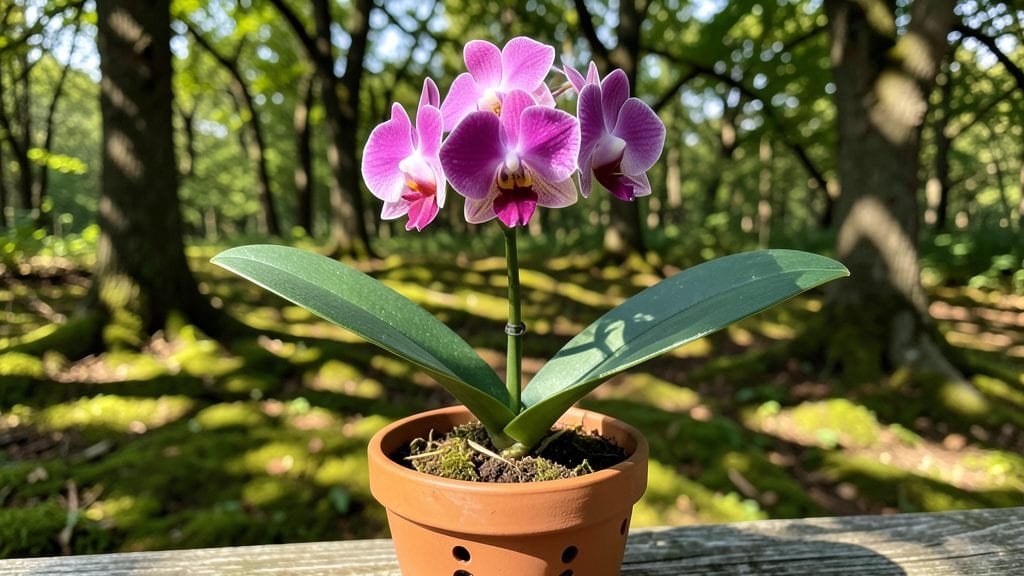
Garden orchids bring ethereal beauty without the fuss of high-maintenance care. ✨ I used to think orchids belonged only in greenhouses, but after integrating them into my backyard, I realized they thrive outdoors too—especially in the right spots.
The secret lies in mimicking their natural tropical habitats: shade, humidity, and good airflow. My favorite varieties, like the hardy Dendrobium and Phalaenopsis, bloom year-round with minimal pruning when placed correctly.
You’ll need containers with drainage, a mix of bark and moss for moisture control, and a location that gets dappled sunlight—think under trees or near north-facing walls. Pair them with ferns, calatheas, or impatiens for a lush, layered look that feels like a jungle retreat.
The best part? These orchids attract hummingbirds and butterflies, turning your garden into a living postcard.
By summer’s end, you’ll have cascading blooms in shades of purple, pink, and white that last for weeks. The key is consistency: water when the top inch of mix feels dry, and avoid heavy pruning unless stems are spent.
With the right setup, your orchids will reward you with continuous color that outshines seasonal annuals.
Works beautifully in containers, hanging baskets, or even as focal points in shaded garden beds. Whether you’re designing a tropical nook or just adding a touch of elegance, orchids deliver drama with surprisingly little effort. Let’s get those roots settled!
📚 In This Guide
- What you need
- Instructions
- Tips and common mistakes
- Wrapping up and next steps
What you need
- ● Orchid plants: Choose Phalaenopsis (moth orchids), Dendrobium, or Cymbidium—they’re hardy and perfect for beginners. Start with 3–5 plants for a balanced look.
- ● Well-draining potting mix: 1–2 bags of orchid-specific bark mix (avoid regular soil!). Brands like Sun Bulb or Black Gold work well.
- ● Containers: Plastic pots with drainage holes (4–6 inches in diameter, 1–2 per plant).
- ○ Orchid baskets (optional but stylish—choose 1–2 for a rustic vibe).
- ● Fertilizer: A balanced orchid fertilizer (e.g., 20-20-20 or 10-10-10)—1 bottle will last months.
- ● Watering can or spray bottle: 1 with a fine rose nozzle to avoid overwatering.
- ● Pruning shears: 1 pair of clean, sharp shears (sterilize with rubbing alcohol).
- ● Support stakes or moss poles: 2–3 (for climbing orchids like Dendrobium).
- ● Grow lights: LED full-spectrum bulbs (1–2) for low-light gardens.
- ● Humidity tray: 1 to boost moisture in dry climates.
- ● Decorative stones or mulch: 1 bag to enhance garden aesthetics.
- ● Orchid food: Seaweed extract or fish emulsion (1 bottle) for extra nutrients.
Step-by-step guide to planting orchids in your garden
Here's how to create a thriving orchid garden that rewards you with stunning blooms year after year.
🌱 Step 1: Select the Perfect Orchid Varieties for Outdoor Conditions
Not all orchids thrive in garden settings, so choose cold-hardy varieties like Dendrobium, Cymbidium, or Miltonia—these handle outdoor temperatures down to 20°F once established. Avoid tropical types like Phalaenopsis, which need greenhouse conditions. I always opt for Cymbidium for my garden because it blooms in winter, providing color when most plants are dormant.
Look for mature plants with firm, healthy pseudobulbs and at least 3-4 leaves per stem. Avoid specimens with yellowing leaves or mushy roots, as these indicate stress or disease. The key is selecting plants that already show resilience—this gives them the best chance to adapt to your garden's microclimate.
🪴 Step 2: Prepare the Planting Site for Optimal Drainage
Orchids despise soggy roots, so choose a spot with well-draining soil and partial shade—think morning sun with afternoon shade or filtered light under tall trees. I modify the soil by mixing 50% native soil with 50% perlite or orchid bark mix to create an airy, fast-draining medium. This prevents root rot, which is orchids' biggest killer.
If your garden soil is heavy clay, consider planting in 10-12 inch deep containers instead. Raised beds also work well, as they allow you to control drainage better. The goal is to mimic their natural epiphytic growing conditions—roots need air as much as they need moisture.
☀️ Step 3: Plant and Stake for Support
Dig a hole twice as wide as the root ball but no deeper than the container it came in. Gently loosen the roots if they're circling the pot, then place the plant so the top of the root ball sits 1 inch below soil level. This ensures stability while allowing excess water to drain away from the crown.
Stake each plant immediately with 3-foot bamboo stakes tied loosely to the main stem. Orchids grow tall and top-heavy, especially after blooming. I use soft plant ties to avoid damaging the stems as they grow. Water thoroughly after planting to settle the soil around the roots.
💧 Step 4: Establish a Watering Routine That Mimics Rain
Orchids need consistent moisture but hate soggy conditions. Water deeply 2-3 times per week during warm months, but reduce to once weekly in winter. The best method is to soak the roots until water runs freely from the drainage holes, then let the medium dry slightly between waterings. I always check by sticking my finger 1 inch into the soil—if it feels dry, it's time to water.
Mulch around the base with 2-3 inches of bark chips to retain moisture and regulate temperature. Avoid organic mulches like straw, which can compact and suffocate roots. The bark also helps prevent weeds, which compete for moisture and nutrients.
⏰ Step 5: Fertilize and Prune for Long-Term Health
Feed orchids with a balanced, water-soluble fertilizer (like 20-20-20) diluted to half-strength every 4-6 weeks during the growing season. I switch to a low-phosphorus formula (like 30-10-10) when buds form to encourage strong blooms without excessive foliage growth. Always water before fertilizing to prevent root burn.
Prune only to remove dead or yellowing leaves and spent flower spikes. Cut back 1 inch above a node where new growth can emerge. Never prune healthy stems—orchids store energy in their pseudobulbs and will bloom again when conditions are right. The key is patience; established plants often rebloom without intervention.
Tips & tricks for perfect orchid garden establishment
Creating a thriving orchid garden takes more than just planting—it's about understanding their unique needs from the very first step.
Variety Selection: When choosing between Dendrobium, Cymbidium, or Miltonia, consider your winter lows. Cymbidium's ability to handle down to 20°F makes it my top choice for northern gardens. Look for plants with 3-4 healthy leaves per stem—this indicates they've stored enough energy to survive transplant shock. I've learned the hard way that stressed plants (yellowing leaves, mushy roots) rarely recover once moved outdoors.
Soil Preparation: The 50-50 mix of native soil and perlite/bark is non-negotiable for orchids. I've seen root rot destroy entire gardens when people use regular garden soil. For heavy clay soils, those 10-12 inch deep containers are a game-changer—they give you complete control over drainage. Pro tip: Add a handful of charcoal to your mix to prevent bacterial growth in the roots.
Planting Depth Matters: That 1 inch below soil level planting depth isn't arbitrary—it prevents water from pooling at the crown, which orchids absolutely despise. I use a small marker to note the soil level when planting, and always double-check before backfilling. The stakes should go in immediately after planting, not after—orchids grow fast and can become top-heavy surprisingly quickly.
Winter Care Strategy: The once weekly watering in winter might seem excessive, but orchids need consistent moisture even when dormant. I've found that mulching with 2-3 inches of bark chips helps maintain that moisture while protecting roots from freeze-thaw cycles. The bark also acts as a natural weed barrier, saving me hours of weeding later.
Pro Tips for Orchids In Garden
- Creating a thriving orchid garden takes more than just planting—it's about understanding their unique needs from the very first step.
- Variety Selection: When choosing between Dendrobium, Cymbidium, or Miltonia, consider your winter lows.
- Soil Preparation: The 50-50 mix of native soil and perlite/bark is non-negotiable for orchids.
Frequently asked questions
Got questions about growing orchids in your garden? You’re not alone—these stunning plants can be tricky for beginners! Here are answers to the most common queries to help you cultivate thriving orchids with ease.
Can orchids survive outdoors year-round in most climates?
Most orchids thrive outdoors only in USDA Zones 9-11 (or similar temperate regions). In colder climates, grow them in containers and move them indoors during winter. Phalaenopsis and Dendrobium are the hardiest for outdoor gardens—just protect them from frost and strong winds!
How often should I water orchids in a garden setting?
Orchids hate soggy roots! Water them once a week (or when the top inch of soil feels dry). Use room-temperature rainwater or distilled water to avoid chemical buildup. In hot climates, mist leaves lightly in the morning to mimic humidity. Pro tip: Water at the base, not overhead, to prevent fungal issues.
What pests or diseases commonly affect garden orchids?
Watch for aphids, mealybugs, and scale (tiny white/cottony pests). Yellow leaves or black spots? It could be root rot (from overwatering) or bacterial leaf spot. Treat pests with neem oil or insecticidal soap. For diseases, improve airflow and avoid wet foliage.
Are there low-maintenance orchid alternatives for busy gardeners?
Yes! Try Bletilla (hardy ground orchids) or Paphiopedilum (slipper orchids)—both tolerate shade and occasional neglect. For containers, Oncidium (dancing lady orchids) bloom prolifically with minimal fuss. Just ensure they get bright, indirect light!
Why are my orchid leaves turning yellow or brown?
Yellow leaves often signal overwatering or nutrient deficiency. Brown tips? It’s likely low humidity or fluoride buildup from tap water. Trim dead leaves with sterilized scissors and repot if roots smell rotten. Adjust care based on the season—orchids need less water in winter.
Still stumped? Drop your orchid woes below—we’re happy to help your garden bloom with confidence!
Wrapping up and next steps
Adding orchids to your garden is a rewarding way to enjoy stunning, year-round blooms with minimal fuss—perfect for both beginners and seasoned gardeners! 🌸 With the right variety, location, and care, these elegant plants thrive while requiring little pruning.
Whether you’re drawn to their exotic beauty or their low-maintenance charm, orchids bring effortless sophistication to any outdoor space.
Ready to transform your garden? Start by selecting a few hardy orchids like Phalaenopsis or Dendrobium, then give them a cozy spot with indirect light and well-draining soil. Your next step? Pick one variety, grab your supplies, and watch your garden bloom with confidence! 🌱