
Pests
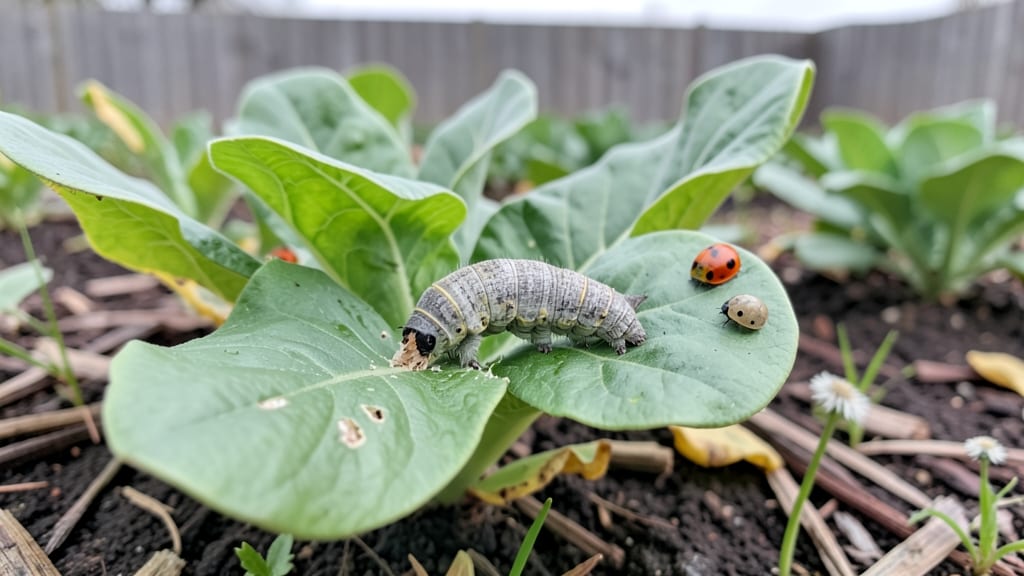
My organic garden pest control system saved my tomatoes last summer—no chemicals, just smart strategies that actually stop the damage. 🌱 The key isn’t just reacting when you see holes in leaves; it’s creating an ecosystem where pests never get a foothold.
I’ll show you how to blend companion plants, beneficial insects, and targeted sprays into a routine that works year after year.
Most gardeners grab the first spray they see when aphids appear, but that’s like calling an exterminator for every mosquito—it fixes the symptom, not the problem. Instead, we’ll focus on prevention: choosing pest-resistant varieties, rotating crops, and inviting ladybugs and lacewings to patrol your garden.
Even my black thumb can pull this off with a few simple tools and a weekly 10-minute check.
By the end, you’ll recognize the early warning signs of trouble—chewed leaves, silky webs, or slug trails—and know exactly which organic remedy to use. No more guessing whether neem oil works on caterpillars or if diatomaceous earth actually kills slugs.
You’ll have a system that keeps your soil healthy, your plants thriving, and your veggies pest-free without harming the planet.
This works for backyard plots, raised beds, and even container gardens—no matter your space or climate. Let’s build a garden where pests are the exception, not the rule.
Root Causes Of Garden Invaders
Unwanted visitors in your organic garden aren’t just random bad luck—they’re usually drawn by specific conditions you can address. Understanding the why behind their presence is the first step to stopping them naturally. Let’s break down the most common triggers and their scientific roots.
When plants are packed too closely, they compete for sunlight, water, and nutrients—but they also create the perfect hiding spot for pests.
Dense foliage traps moisture, and poor air circulation slows plant recovery from damage. Why it matters: - Pests thrive in clutter: Aphids, slugs, and fungal gnats love damp, shaded environments where they can feed undetected. - Stressed plants attract more: Weakened plants produce less defensive compounds (like tannins or volatile oils), making them easier targets for chewing insects or disease vectors. - Root competition: Overcrowded roots struggle to absorb nutrients, leaving plants vulnerable to root maggots or nematodes.
Actionable fix: Space plants according to their mature size (check seed packets!) and prune regularly to improve airflow.
Soil isn’t just dirt—it’s a living ecosystem.
When soil is depleted or imbalanced, it signals pests that your garden is an easy meal. Key triggers: - Excess nitrogen: Fast-growing, soft plants (from over-fertilizing) attract cabbage worms, flea beetles, and spider mites. - Compacted or waterlogged soil: Poor drainage invites fungal pests (like powdery mildew) and root-feeding insects (e.g., cutworms). - Lack of beneficial microbes: Healthy soil teems with bacteria and fungi that suppress harmful pathogens.
When these are missing, pests like nematodes or wireworms dominate.
Actionable fix: Amend soil with compost, avoid synthetic fertilizers, and test pH levels (aim for 6.0–7.0 for most veggies).
Planting the same crop in large blocks (e.g., a whole row of tomatoes) is like rolling out a welcome mat for pests. Why?
- Specialized feeders target easy meals: Colorado potato beetles, tomato hornworms, and whiteflies zero in on monocultures because they’re predictable.
- No natural predators: Diverse gardens support a balance of beneficial insects (like ladybugs or parasitic wasps) that keep pests in check.
- Disease spread: Pathogens like blight or bacterial wilt spread rapidly in uniform plantings.
Actionable fix: Use interplanting (mixing compatible crops) or succession planting to break up pest cycles.
Watering habits can either repel pests or invite them like a 5-star resort. Common mistakes:
- Overhead watering: Wet leaves create ideal conditions for fungal pests (e.g., powdery mildew, downy mildew) and slugs.
- Irregular watering: Drought-stressed plants produce sugary sap, attracting aphids and whiteflies.
- Standing water: Puddles near plants harbor mosquito larvae and soft-bodied insects like fungus gnats.
Actionable fix: Water at the base of plants in the morning, use drip irrigation, and ensure proper drainage.
Plants under stress (from drought, nutrient deficiency, or transplant shock) produce less defensive chemistry, making them prime targets. Signs of stress that attract pests:
- Yellowing leaves (nitrogen deficiency) → Aphids love tender new growth.
- Stunted growth (phosphorus deficiency) → Root maggots exploit weak roots.
- Wilting (potassium deficiency) → Spider mites thrive on dehydrated plants.
Actionable fix: Harden off transplants gradually, mulch to retain moisture, and rotate crops annually to prevent nutrient depletion.
Pests don’t follow a calendar—they follow environmental cues. Seasonal triggers include:
- Warm winters: Overwintering pests (like squash bugs or cabbage loopers) survive and multiply faster.
- Early springs: Soft new growth attracts early-season pests before beneficial insects emerge.
- Humid summers: Fungal diseases (e.g., late blight) and slugs flourish in high-moisture conditions.
Actionable fix: Use row covers in early spring, mulch heavily in summer, and plant cold-hardy crops (like kale or radishes) to extend the growing season.
Pro Tip: 🔍 Scout regularly! Catching pests early (before they multiply) is the #1 way to prevent outbreaks. Check the undersides of leaves, soil surface, and new growth weekly.
Natural Fixes for Common Garden Invaders
When pests crash your organic garden party, don’t reach for harsh chemicals—try these targeted, eco-friendly solutions that actually work. Below, we’ve mapped the most common culprits to simple, effective fixes, plus prevention tips to keep your garden thriving long-term.
Cause: These sap-sucking insects cluster on new growth, leaving sticky residue (honeydew) and stunted plants. Fix:
- 🔥 Blast Them Off: Spray plants with a strong stream of water (early morning works best).
- 🍳 Soapy Water Spray: Mix 1 tsp mild liquid soap (like Castile) + 1 quart water. Spray directly on aphids—reapply every 3–4 days.
- 👨🍳 Ladybugs & Lacewings: Release beneficial insects (buy online or attract with dill or fennel plants).
💡 Prevention Tip: Plant garlic, chives, or marigolds nearby—aphids hate the scent!
Cause: These slimy critters munch on leaves, stems, and seedlings overnight, leaving silver trails and ragged holes. Fix:
- 🥘 Beer Traps: Bury a shallow dish filled with beer (slugs crawl in and drown). Refresh every 2 days.
- 🔪 Copper Barrier: Wrap copper tape around raised beds—slugs get a painful shock when they touch it.
- 🌡️ Diatomaceous Earth (DE): Sprinkle food-grade DE around plants (reapply after rain). It dehydrates slugs naturally.
✨ Pro Tip: Handpick slugs at dusk (when they’re most active) and drop them in soapy water.
Cause: These green caterpillars can destroy tomato plants overnight—they’re the larvae of sphinx moths. Fix:
- 🔪 Handpick & Drop: Check plants daily (especially undersides of leaves). Drop them in soapy water or birdseed (birds love them!).
- 🐛 Parasitic Wasps: Introduce braconid wasps—they lay eggs in hornworms, killing them naturally.
- 🌿 Plant Basil: Basil repels hornworms and grows well with tomatoes.
🎯 Prevention Tip: Rotate crops yearly to disrupt their life cycle.
Cause: These white, moth-like insects cluster on undersides of leaves, weakening plants with their sticky honeydew. Fix:
- 🍳 Yellow Sticky Traps: Hang yellow cards coated in petroleum jelly near plants to trap adults.
- 🔥 Neem Oil Spray: Mix 1 tbsp neem oil + 1 tsp soap + 1 quart water. Spray undersides of leaves (reapply weekly).
- 🌿 Beneficial Nematodes: Soil-dwelling microbes that kill whitefly larvae—apply at dusk.
💡 Prevention Tip: Space plants widely for airflow (whiteflies love crowded, humid conditions).
Cause: These striped beetles and their larvae skeletonize potato, tomato, and eggplant leaves in days. Fix:
- 🔪 Handpick & Crush: Check plants daily—squish adults and larvae (they’re soft and easy to kill).
- 🥘 Row Covers: Use floating fabric row covers to block adults from laying eggs.
- 🌿 Plant Traps: Grow radishes or mustard greens nearby—the beetles prefer these over potatoes.
🔥 Hot Tip: Boil beetles in soapy water to kill eggs in the process!
Cause: These pincher-tailed insects hide in damp areas and chew holes in flowers, leaves, and fruit. Fix:
- 🔪 Roll-Up Traps: Place corrugated cardboard near plants—earwigs crawl inside; burn or drown them in the morning.
- 🌡️ Diatomaceous Earth: Sprinkle DE in moist areas (earwigs dehydrate when they crawl through it).
- 🌿 Reduce Mulch: Earwigs love thick mulch—keep it thin and dry.
✨ Pro Tip: Crushed eggshells around plants also deter them!
- 🌿 Companion Planting: Pair plants that repel pests naturally (e.g., basil + tomatoes, marigolds + veggies).
- 🌱 Healthy Soil = Strong Plants: Compost-rich soil grows resilient plants that pests avoid.
- 🌞 Sunlight & Airflow: Space plants 12–18 inches apart to reduce humidity (pests love damp conditions).
- 🕊️ Encourage Wildlife: Birdhouses, bat boxes, and bee hotels bring natural predators to your garden.
Remember: The key to organic pest control is consistency and observation. Check your garden daily, act fast, and let nature’s balance do the rest! 🌱🐞🚫
Frequently asked questions
What’s the most effective organic spray for garden pests?
Neem oil is the top choice for many pests—it disrupts their life cycles and acts as a natural fungicide. Mix 1 tablespoon neem oil + 1 teaspoon mild soap + 1 quart water, then spray on affected areas (especially undersides of leaves). Reapply every 7-10 days or after rain. For soft-bodied pests like aphids, a simple soapy water spray (1 tsp soap per quart) works instantly.
How do I keep slugs and snails from destroying seedlings?
Start with copper tape barriers around raised beds—slugs get a mild electric shock when they touch it. For ground-level gardens, sprinkle diatomaceous earth (DE) around plants (reapply after rain) or set up beer traps (bury a shallow dish filled with beer). Handpick at dusk when they’re most active and drop them in soapy water.
Are there any plants that naturally repel pests?
Marigolds deter nematodes and aphids, basil repels tomato hornworms, and garlic/chives keep many insects away. Nasturtiums act as trap crops for aphids, while dill and fennel attract beneficial predators like ladybugs. Plant these strategically around your garden—especially near vulnerable crops like tomatoes or brassicas.
Can I use coffee grounds as pest control?
Yes, but with caution. Coffee grounds deter slugs, ants, and cats when sprinkled around plants (the caffeine acts as a natural repellent). However, they can also raise soil acidity over time—use sparingly (1 cup per 10 sq ft) and mix into mulch rather than applying directly. Avoid using them on acid-loving plants like blueberries if your soil is already acidic.
How often should I check my garden for pests?
Get in the habit of daily 5-minute inspections, especially during peak pest seasons (spring/summer). Focus on undersides of leaves, new growth, and soil surfaces—these are hotspots for early infestations. Early detection is key! Keep a small notebook to track patterns (e.g., "aphids appear after rain") so you can adjust prevention strategies.