Landscaping
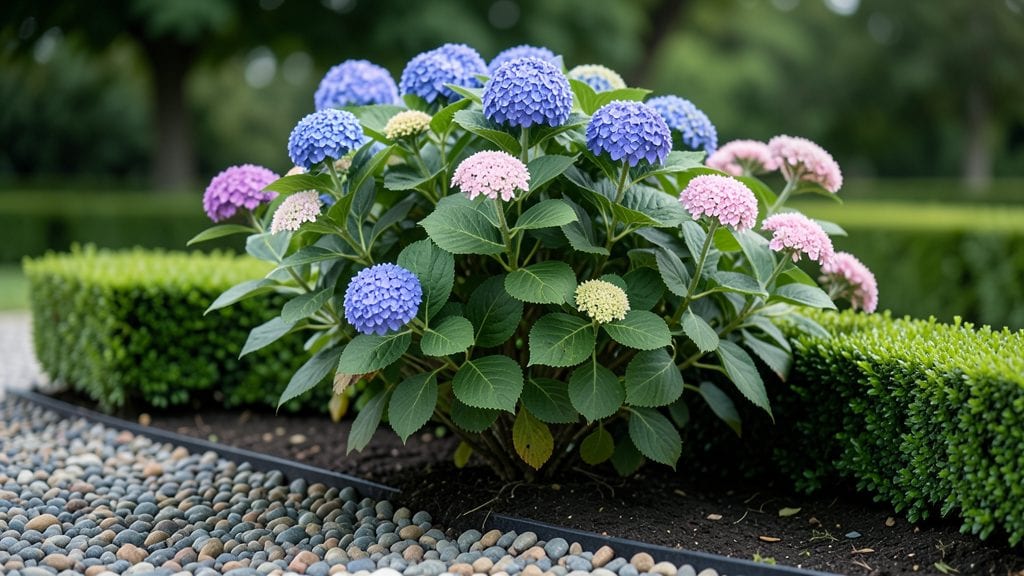
Creating a parterre garden design transforms any yard into a structured masterpiece with French-inspired layers that feel both grand and intimate. ✨ My first attempt used boxwood hedges and lavender borders—simple but instantly elegant.
The key is symmetry, whether formal or relaxed, with crisp edges guiding your eye through the space.
You’ll need durable plants for borders—boxwood, yew, or privet work best—and fillers like ornamental grasses, perennials, or low-growing shrubs for texture. For a small yard, scale down with narrow beds; larger spaces can handle grander layouts with pathways weaving between.
The secret lies in repetition: choose 2-3 plants for borders and repeat them throughout.
Once established, a parterre stays vibrant with regular trimming and seasonal updates. Replace spent blooms in spring, prune hedges in late summer, and mulch to keep weeds at bay.
The result? A garden that feels polished year-round, with every season offering fresh colors and shapes. Let’s bring this classic look to life—your yard deserves it.
Whether you’re aiming for Versailles-style formality or a cozy cottage twist, parterres adapt beautifully. Start small, experiment with shapes, and let the plants guide your hand. The payoff? A garden that turns heads without the high-maintenance fuss. Ready to sketch your design?
📚 In This Guide
- What you need
- Instructions
- Tips and common mistakes
- Wrapping up and next steps
What you need
- ● Soil & Amendments: High-quality topsoil (2–3 cubic yards per 100 sq. ft.)
- ● Compost (1–2 bags per 100 sq. ft. for nutrient-rich beds)
- ● Sand (for drainage, especially in clay-heavy soil)
- ● Edging & Structure: Low boxwood hedges (pre-sheared or bare-root, 1 plant per 12–18" spacing)
- ● Metal or stone edging (e.g., copper, galvanized steel, or slate strips, 1–2" deep)
- ● Gravel or decomposed granite (for pathways, ½–1" depth)
- ● Plants: Low-growing perennials (e.g., lavender, sedum, or thyme for texture)
- ● Annuals for color (e.g., petunias, snapdragons, or salvia)
- ● Ornamental grasses (e.g., fountain grass or blue fescue for height contrast)
- ● Measuring tape & string line (for precise geometric layouts)
- ● Shovel & spade (for digging and transplanting)
- ● Garden shears & hedge clippers (for sharp, clean edges)
- ● Wheelbarrow (for hauling soil and amendments)
- ● Rake & level (to smooth surfaces and create clean lines)
- ○ Optional: Laser level (for ultra-straight edging) or a parterre garden frame (for complex patterns)
- ● Flat or gently sloping terrain (parterres thrive on level ground—grade as needed!)
- ● Full sun exposure (6+ hours daily for most parterre plants)
- ● Access to water (drip irrigation or soaker hoses for consistent moisture)
- ● Pro Tip: Sketch your design first—parterres often feature symmetrical layers, so plan your spacing and plant combinations carefully! 🎯
Step-by-Step instructions for creating a classic parterre garden
Here's how to craft the iconic French parterre with clean lines and lush layers that feel both formal and inviting.
🪴 Step 1: Mark and Prepare the Foundation
Start by sketching your design on paper first. Parterres thrive with geometric shapes—rectangles, ovals, or diamonds work best. Use a garden hose or spray paint to outline the shape directly on the ground, then mark the center path with a straightedge or taut string. This central axis divides your design symmetrically, which is key to that classic French look.
Once outlined, remove all grass, weeds, and debris within the marked area. Dig down about 6 inches to create a clean base layer. This depth ensures proper drainage and prevents future weed growth. I like to add a 2-inch layer of coarse sand at the bottom to improve drainage, especially in clay-heavy soils. Press everything down firmly with a tamper or the back of a shovel.
☀️ Step 2: Build the Raised Edges and Layers
Parterres rely on their defined edges for structure. Use brick, stone, or metal edging to create borders that are 4-6 inches tall. For a traditional look, I recommend using sandstone or limestone—they weather beautifully and complement the formal style. Lay the first course of edging material flush with the ground, then backfill with soil as you build upward, tamping lightly between each layer.
Once your edges are in place, create the layered structure. Start with the highest central bed, then step down in 3-5 descending tiers toward the outer edges. Each tier should be about 6-12 inches wide, with the lowest layer matching the ground level. This creates the signature "staircase" effect. Use a level to ensure each tier is perfectly horizontal—uneven layers will look sloppy no matter how perfect the plants.
🌱 Step 3: Install the Base Plants for Structure
Fill the lowest tier with evergreen shrubs like boxwood, dwarf holly, or yew. These provide year-round structure and define the outer edges of your design. Space them about 12-18 inches apart—close enough to create a dense hedge but far enough to allow for growth. I like to use boxwood 'Green Velvet' for its compact size and glossy foliage, which holds up beautifully in formal settings.
For the next tier up, add semi-evergreen or deciduous shrubs like dwarf lilac, abelia, or forsythia. These will provide seasonal interest while maintaining the clean lines. Place them slightly offset from the tier below to create visual depth. Water thoroughly after planting to settle the soil around the roots. Mulch with 2-3 inches of shredded bark to suppress weeds and retain moisture—just keep it 2 inches away from plant stems to prevent rot.
🌿 Step 4: Layer Annuals and Perennials for Color
The magic of a parterre lies in its layered colors and textures. For the upper tiers, plant perennials like lavender, salvia, or ornamental grasses—these thrive in well-drained soil and add movement. I like to mix in dwarf coneflowers or black-eyed Susans for pops of color that last all season. Space perennials 12-18 inches apart to allow them to fill in over time.
Fill the gaps with annuals like pansies, marigolds, or sweet alyssum for instant color. These will bloom continuously and can be replaced yearly to keep your design fresh. Stick to a limited color palette—2-3 main colors with one accent shade—this keeps the look refined. Water deeply after planting, then maintain 1 inch of water per week during the growing season to keep everything thriving.
✂️ Step 5: Maintain Shape and Refine Over Time
Parterres demand regular upkeep to maintain their crisp appearance. Prune boxwood and other evergreens twice a year—once in late spring and again in early fall—to keep them neatly shaped. Use hand shears for precision, following the natural growth pattern of the plant. For deciduous shrubs, prune just after they finish blooming to encourage new growth.
Trim annuals back by one-third after their first flush of blooms to promote bushier growth. Deadhead spent flowers regularly to encourage continuous blooming. In late fall, remove any dead or diseased foliage and refresh the mulch layer. This keeps your parterre looking immaculate year after year. With consistent care, your design will remain elegant and inviting for decades.
Tips & tricks for perfect parterre garden design
Here's what I've learned after designing (and fixing!) several parterres—the little details that make all the difference between a charming garden feature and a true showstopper.
Precision is Everything in Step 1: When marking your foundation in Step 1, don't rely on eyeballing the center line. Use a measuring tape to ensure your central axis divides the design perfectly—this is what gives parterres their symmetrical magic. I like to mark the center with a small wooden stake first, then use it as a reference point for all other measurements. Uneven divisions will throw off the entire look, no matter how perfect the rest of your work.
Edging Material Matters in Step 2: While brick, stone, or metal all work for edging, I've found that limestone holds up best in most climates. It's durable, complements the formal style, and won't rust like metal. For wider parterres, consider using two layers of edging—one at ground level and another at the top of the tiers. This creates a more substantial border that won't topple over time. The 4-6 inch height recommendation is perfect, but don't skimp on the width of your edging material—narrow edges can look flimsy.
Plant Placement Strategy in Step 3: The 12-18 inch spacing for boxwood and other shrubs might seem generous, but trust me—it's worth it. Tight spacing leads to overcrowding and poor airflow, which invites pests and diseases. For the offset planting in Step 3, I recommend using a grid system with string lines to ensure perfect alignment. This creates that signature French precision while allowing each plant room to grow. Also, always plant slightly deeper than the root ball—this encourages stronger root establishment.
Color Theory for Step 4: When selecting your 2-3 main colors in Step 4, think about the color wheel. Place complementary colors (opposite each other) in different tiers to create visual interest without clashing. For example, pair purple lavender with yellow black-eyed Susans. And remember—darker colors should go in the lower tiers while lighter shades belong higher up. This creates depth perception and makes your parterre appear even more three-dimensional. The 1 inch per week watering guideline is perfect, but I've found that morning watering reduces evaporation and prevents fungal issues.
Pro Tips for Parterre Garden Design
- Here's what I've learned after designing (and fixing!) several parterres—the little details that make all the difference between a charming garden feature and a true showstopper.
- Precision is Everything in Step 1: When marking your foundation in Step 1, don't rely on eyeballing the center line.
- Edging Material Matters in Step 2: While brick, stone, or metal all work for edging, I've found that limestone holds up best in most climates.
Frequently asked questions
Got questions about creating a stunning parterre garden design? You’re not alone! Here are answers to the most common queries to help you plan with confidence.
What’s the best time of year to plant a parterre garden?
Aim for early spring (after the last frost) or early fall when temperatures are mild. This gives plants time to establish roots before extreme heat or cold. For perennials, spring planting is ideal, while annuals can be added later for seasonal color. Pro tip: Check your USDA hardiness zone for local timing!
How much does a parterre garden cost to build?
Costs vary widely based on size, materials, and labor. A small DIY project might run $500–$2,000 (gravel, edging, plants), while a professional-designed, large-scale parterre can exceed $10,000+. Prioritize budget-friendly materials like local stone or recycled bricks to cut costs without sacrificing elegance.
Can I use a parterre design in a small space?
Mini parterres
(as small as 3’x6’) work beautifully in urban yards, balconies, or even large containers. Opt for low-growing plants (like thyme or creeping phlox) and narrow borders to maximize visual impact. Bonus: Vertical parterres on walls or trellises save space while adding drama.
What’s the trickiest part of maintaining a parterre?
Keeping edges crisp and weeds at bay is the biggest challenge. Use metal or plastic edging to define borders sharply, and mulch generously to suppress weeds. Weekly checks for trimming and pruning will keep your design looking polished. Troubleshoot: If soil erodes, reinforce edges with gravel or pavers.
How do I choose plants for a parterre without overwhelming myself?
Start with a color palette (e.g., blues/greens for serenity or reds/yellows for vibrancy) and layer plants by height: tall in back, medium in middle, low in front. Stick to 3–5 plant types per section to avoid clutter. Easy picks: Boxwoods (structure), lavender (fragrance), and ornamental grasses (texture).
Wrapping up and next steps
A parterre garden design brings timeless French elegance to your outdoor space with its structured layers, vibrant colors, and meticulous craftsmanship. Whether you’re a seasoned gardener or just starting, this style offers a rewarding blend of artistry and nature—perfect for creating a showstopping landscape that reflects your personality. 🌿✨
Ready to transform your yard? Start small—sketch a simple design, gather your materials, and take the first step toward your dream garden. Every masterpiece begins with a single brushstroke!