
Trees
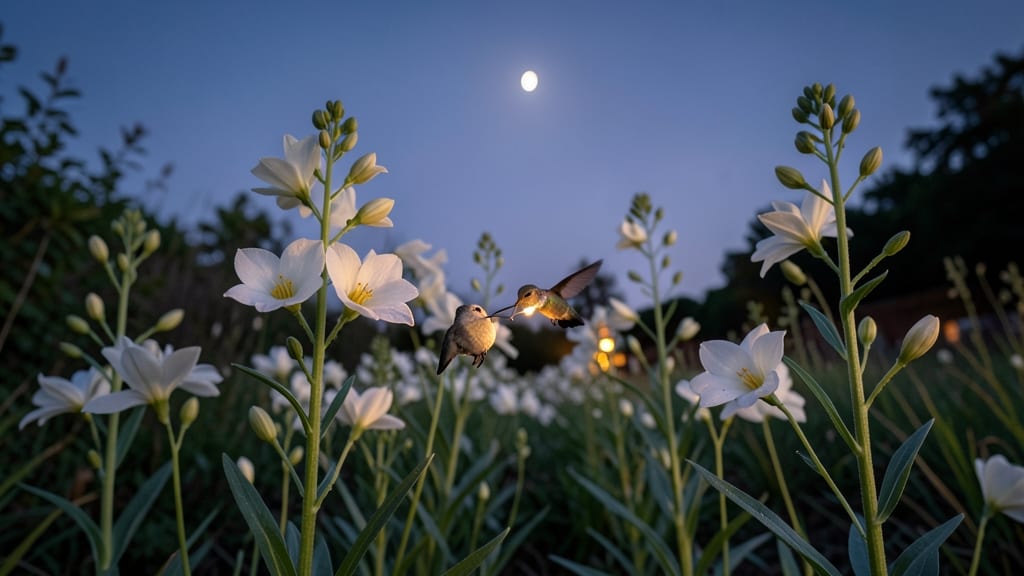
Transform your garden into a hummingbird magnet with these 10 breathtaking designs that blend beauty with functionality. Discover how vibrant flowers, strategic plant placement, and natural elements create irresistible sanctuaries for these tiny, dazzling visitors.
Vibrant Red Tubocrea Garden Beds
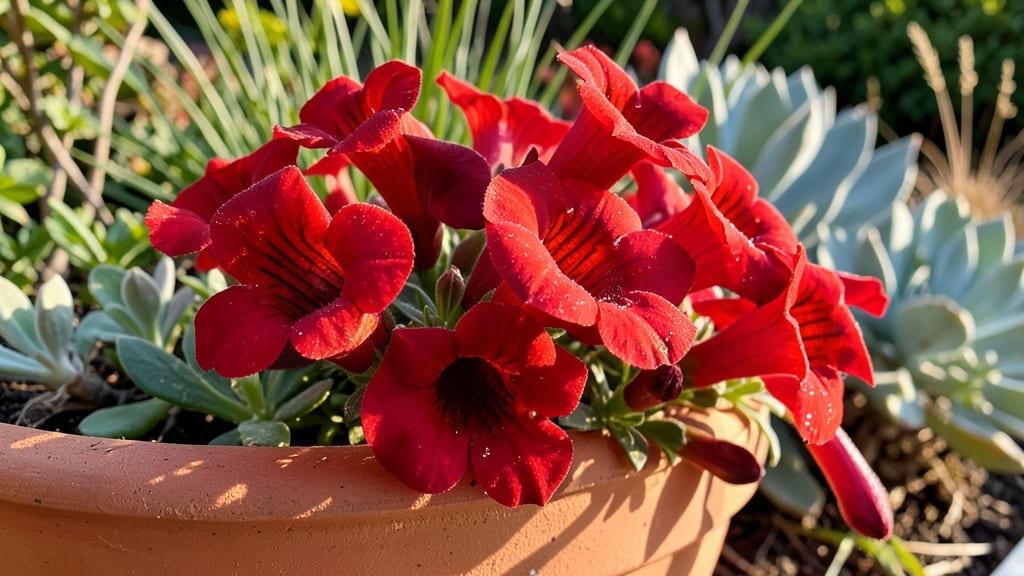
Want a high-impact garden that hummingbirds can’t resist? Tubocrea delivers fiery red tubular blooms that act like neon signs for these tiny visitors. This drought-tolerant beauty thrives in full sun and fits perfectly in containers or borders—ideal for small spaces.
The deep red flowers (also called Cuphea) produce continuous blooms from spring to frost, giving hummingbirds a reliable nectar source. They’re also low-maintenance, requiring only occasional pruning to encourage bushier growth. Pair them with trailing plants like sweet potato vine for a dynamic container display.
Perfect for urban gardeners or anyone craving instant color, Tubocrea’s vibrant blooms bring both beauty and function to your space—without the fuss. 🌻
Butterfly Bush and Bee Balm Mix
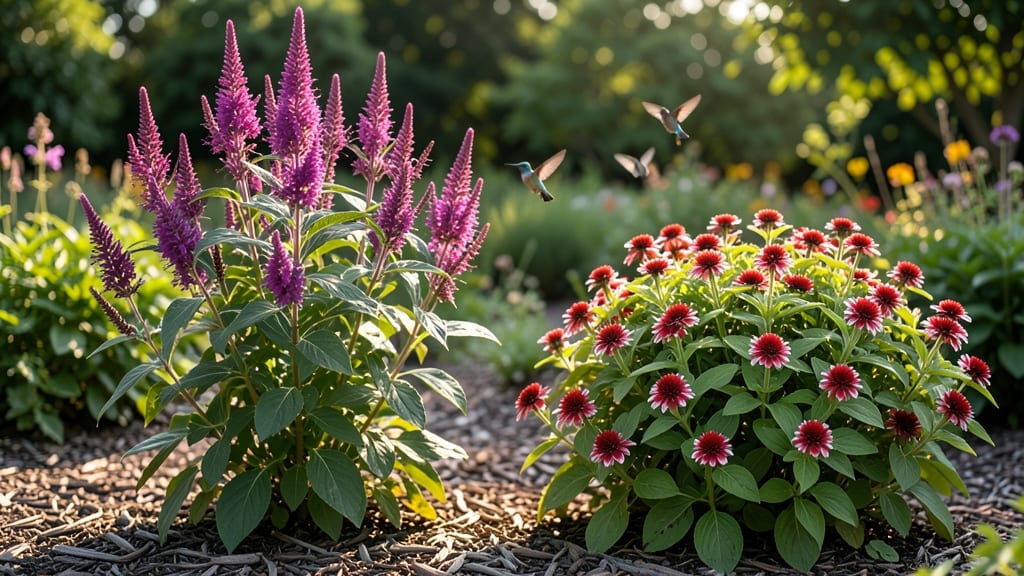
If you're dreaming of a garden that buzzes with activity from spring through fall, the butterfly bush (Buddleia) and bee balm (Monarda) duo is your secret weapon. This native pairing doesn’t just attract hummingbirds—it creates a dynamic, ever-changing display that keeps your mid-sized garden vibrant all season long.
Plant butterfly bush in the back for its towering purple spikes (3-5 feet tall), then tuck bee balm in front for its pink, tubular blooms that hummingbirds adore. Both thrive in moist, well-draining soil and partial shade, making them perfect for gardeners who want low-maintenance beauty. The key? Prune butterfly bush back in late winter to encourage fresh growth, while bee balm self-seeds easily, ensuring continuous color.
This combination is ideal for gardeners who love seasonal variety—butterfly bush blooms late summer to fall, while bee balm shines in early to mid-summer. Together, they create a layered look that draws in pollinators while adding texture and movement to your space. 🌿
Hanging Basket Fountain with Fuchsia
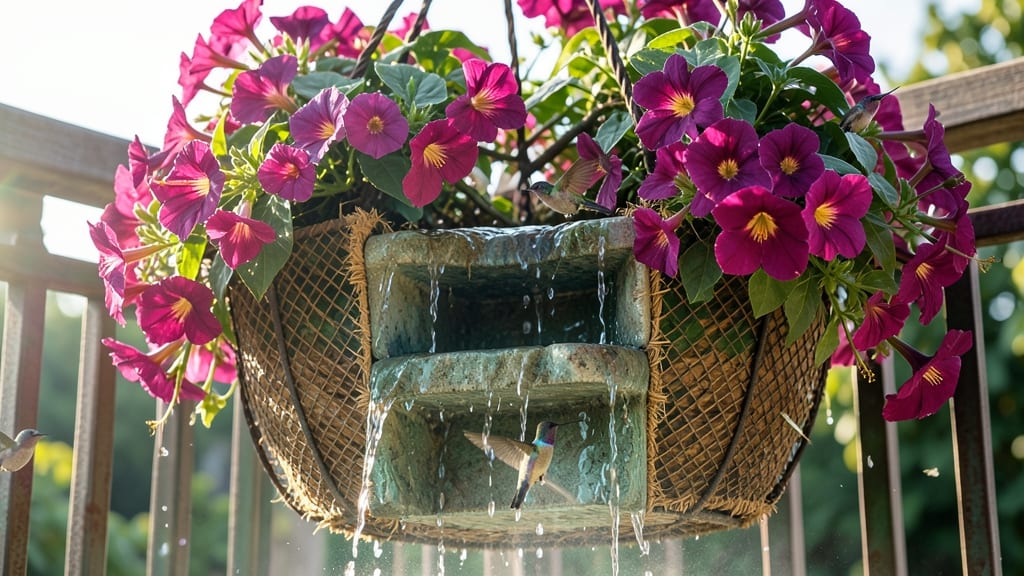
Turn your balcony or patio into a hummingbird haven with a hanging basket fountain featuring fuchsia flowers. The gentle movement of water and vibrant blooms create a mesmerizing display that hummingbirds can’t resist—especially when paired with the sweet nectar of fuchsia’s tubular flowers. This space-saving design adds both beauty and function to small gardens.
Choose a self-watering hanging basket with a built-in fountain feature to keep water flowing while minimizing maintenance. Plant trailing fuchsia varieties like Fuchsia magellanica or Fuchsia boliviana for long, cascading blooms that hummingbirds adore. Place the basket where it gets morning sun and afternoon shade to prevent wilting, and refresh the water every few days to keep it inviting.
This setup is perfect for urban gardeners or anyone with limited space who still wants to attract hummingbirds. The combination of water and flowers creates a multi-sensory experience that transforms any small area into a lively, buzzing oasis. ✨
Native Wildflower Meadow Border
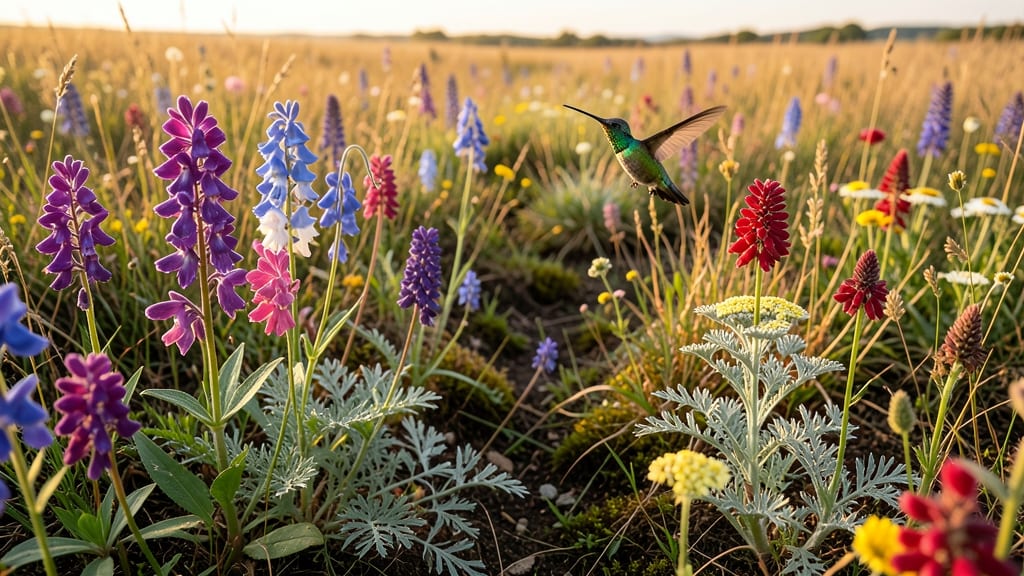
Skip the meticulous garden beds—wildflower meadows are the ultimate low-maintenance solution for hummingbird lovers with space to spare. These natural borders thrive on neglect, bursting with native species like penstemon and columbine that hummingbirds adore while supporting local ecosystems.
Simply sow a mix of native wildflower seeds in late summer or early fall, then let nature take over. These hardy plants handle drought once established and bloom prolifically from spring through fall, offering a continuous buffet for hummingbirds. The key is avoiding mowing—let the flowers go to seed to sustain next year’s visitors.
Perfect for eco-conscious gardeners or those with larger properties, these meadows require zero fuss while creating a biodiversity hotspot that hummingbirds will flock to. 🌻
Vertical Garden Trellis with Passionflower
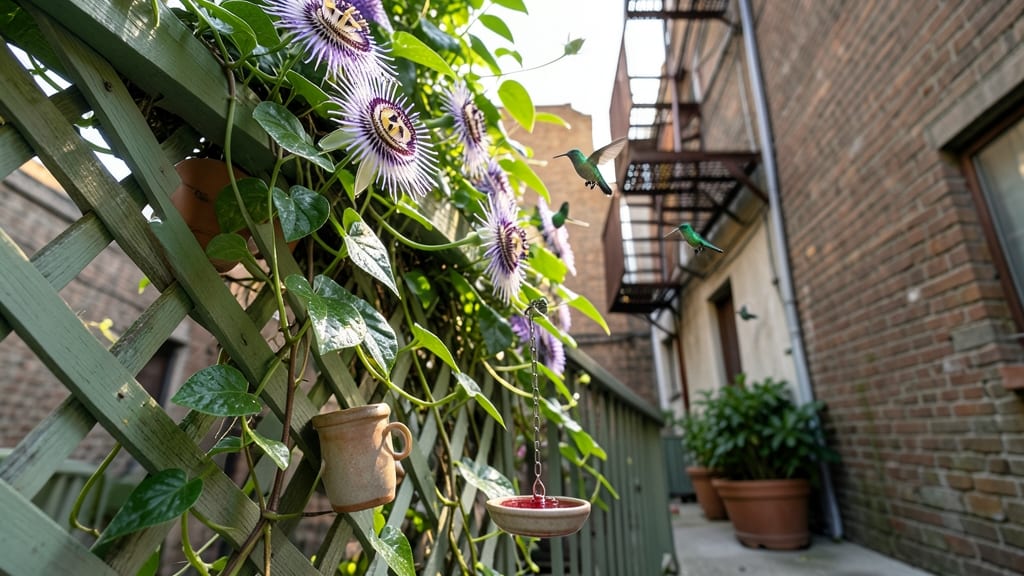
Turn even the tiniest balcony or urban yard into a hummingbird haven with a passionflower vine climbing a sturdy trellis. These vines produce deep purple, intricate blooms that hummingbirds adore, and their fast-growing habit quickly transforms bare walls into lush vertical gardens.
Plant passionflower (Passiflora incarnata) in well-draining soil and provide 6-8 hours of sun for optimal blooms. Train vines along a wooden or metal trellis (4-6 feet tall) to create a dramatic focal point. Prune lightly in early spring to encourage bushier growth—this plant thrives with minimal fuss and rewards you with summer-to-fall blooms that keep hummingbirds visiting.
This design is ideal for renters, small-space gardeners, or anyone craving drama without sacrificing square footage. The vines even produce edible (but tart) fruit later in the season—bonus for wildlife! 🌷
Salvia and Agastache Pollinator Pathway
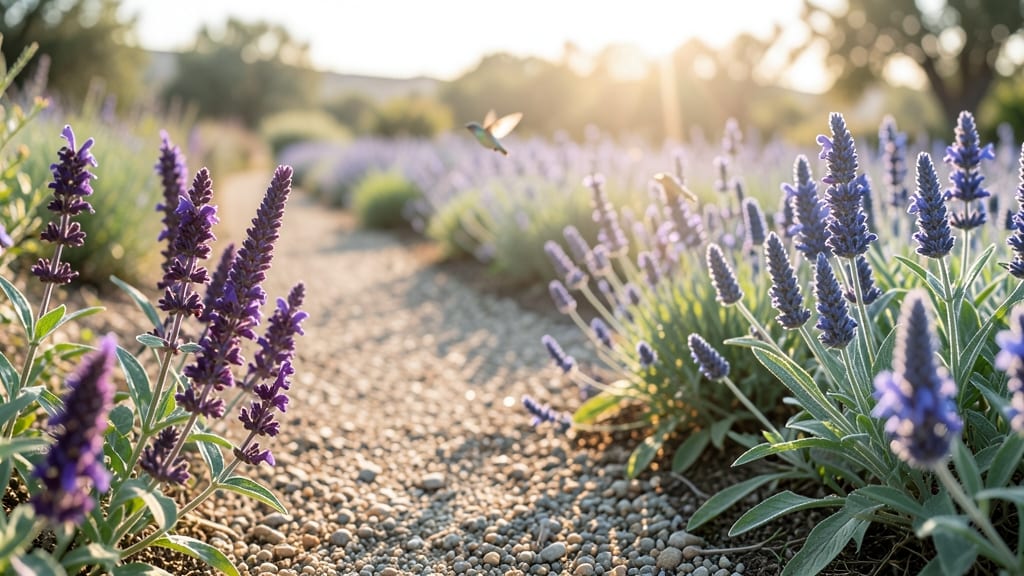
If you live in a dry climate where water conservation is key, a salvia and agastache pollinator pathway is your secret weapon. These drought-tolerant powerhouses thrive on neglect, offering vibrant blooms that hummingbirds adore while demanding almost no extra care.
Plant salvia (like salvia nemorosa or salvia leucantha) alongside agastache (hyssop) in a narrow bed along a walkway. Their tubular flowers in purple, blue, and magenta provide perfect perches for hummingbirds, while their silver foliage adds texture. Mulch with gravel to retain moisture and suppress weeds—once established, they’ll survive on rainwater alone.
This design is perfect for xeriscaping or arid regions, offering year-round interest with minimal fuss. Gardeners in USDA zones 5-10 will love how these plants attract hummingbirds while keeping maintenance to a bare minimum. 🌻
Shade-Loving Impatiens and Coral Bells
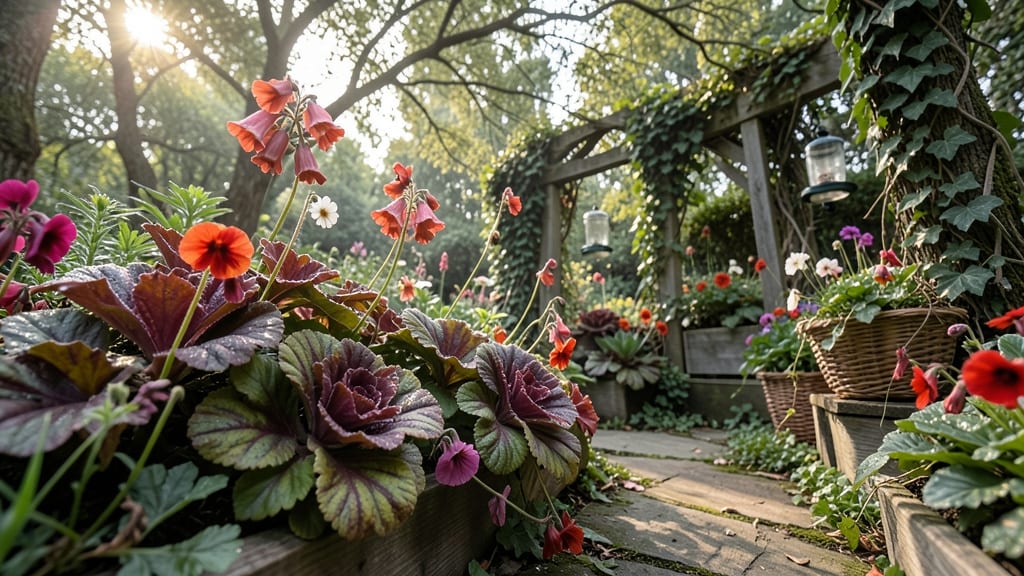
Not all hummingbird gardens need blazing sun—shady spots can still buzz with activity thanks to impatiens and coral bells (heuchera). These understory stars thrive where others falter, offering vibrant blooms and hidden nectar that hummingbirds eagerly seek.
Plant impatiens in partial to full shade for their bright red, pink, or orange flowers that bloom continuously from spring to frost. Pair them with heuchera, whose striking foliage in purple, lime, or silver adds texture and year-round interest. Both plants prefer moist, well-draining soil—ideal for woodland edges or north-facing beds.
This duo is perfect for gardeners with shady patios, forest gardens, or layered borders, proving that hummingbirds don’t need full sun to thrive. 🌿
Hummingbird Feeder with Surrounding Nectar Plants
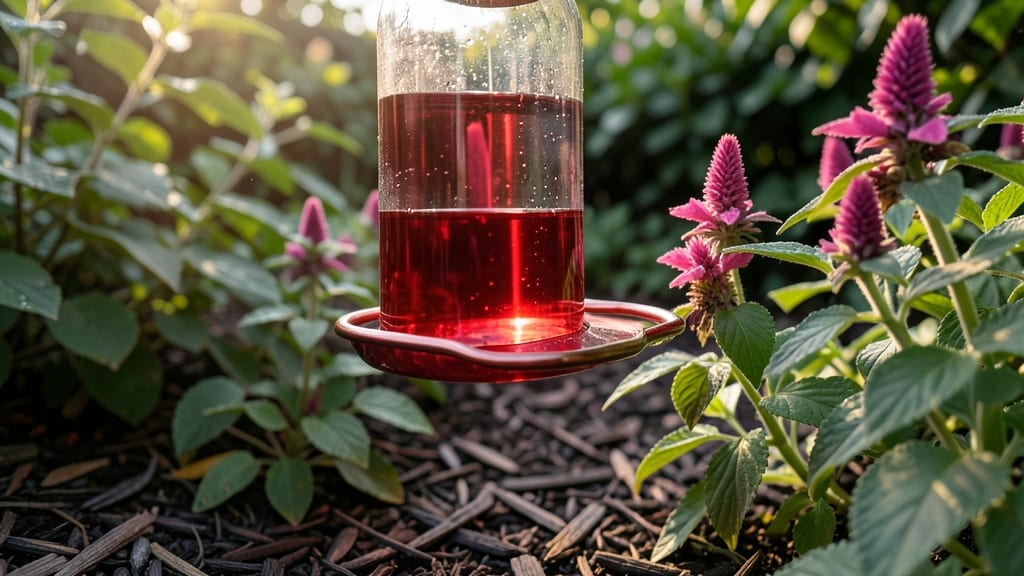
If you're just starting your hummingbird garden or have limited space, a hummingbird feeder surrounded by native nectar plants is your secret weapon. This combo provides instant food sources while giving birds a natural transition between artificial and real blooms.
Place your feeder near bee balm, salvia, or trumpet vine—these plants offer continuous nectar and create a welcoming habitat. Keep the feeder clean with a 4:1 sugar-water ratio (no dye!) and refill every 3-5 days. Urban gardeners can use window boxes or small pots to combine feeders with compact flowers like fuchsia or penstemon.
This setup works perfectly for beginners or city dwellers with balconies, offering quick results without overwhelming maintenance. Plus, it creates a dynamic feeding station that hummingbirds will return to daily. 🌻
Winter-Blooming Hellebore and Snowdrops
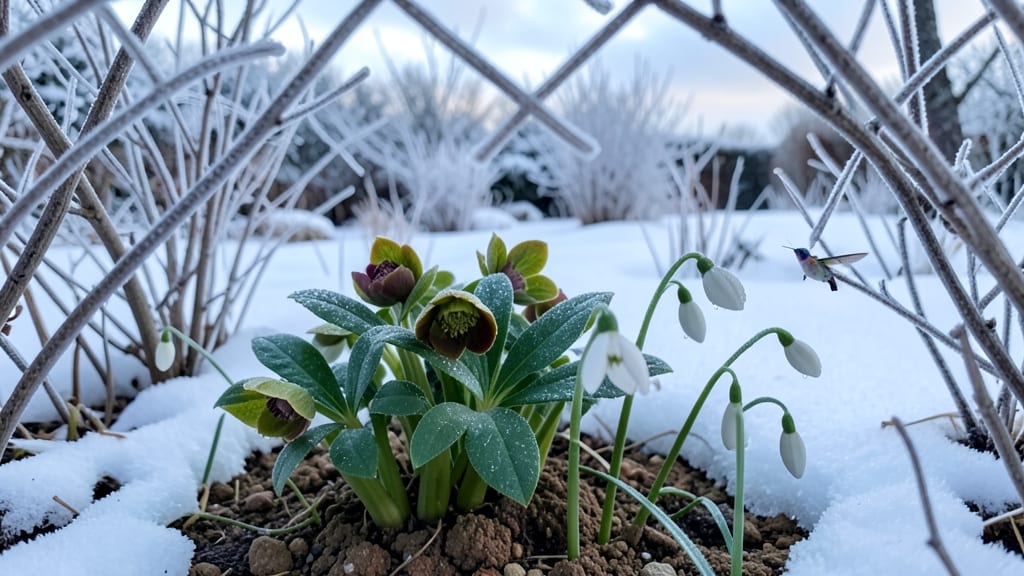
When the rest of your garden is still sleeping under snow, winter-blooming hellebore and snowdrops burst into action, offering the first fresh nectar of the year. These hardy perennials thrive in cold climates, providing a lifeline for hummingbirds that arrive early in search of food after their long migration.
Plant hellebore in partial to full shade with well-draining soil, where it will reward you with nodding, cup-shaped blooms in shades of white, green, or deep purple. Snowdrops, on the other hand, prefer sun to partial shade and naturalize beautifully in grassy areas, creating delicate white clusters that hummingbirds adore. Both plants are low-maintenance, tolerating frost and even light foot traffic, making them ideal for gardeners who want effortless beauty.
For those in USDA zones 3-8, these early bloomers ensure your garden remains a hummingbird hotspot even in late winter. Pair them with spring bulbs like crocuses or daffodils for a seamless transition into warmer months. 🌱
Moon Garden with Evening Primrose

Want to extend your hummingbird's evening visits? A moon garden with evening primrose (Oenothera biennis) and white blooms turns your yard into a twilight oasis. These fragrant flowers open at dusk, releasing their sweet scent and nectar when most gardens are quiet—perfect for hummingbirds that forage later in the day.
Plant evening primrose alongside white lilies or moonflowers (Ipomoea alba) for a luminous contrast. These low-maintenance perennials thrive in well-drained soil and full sun to partial shade, making them ideal for borders or moonlight gardens. Their high nectar content ensures hummingbirds return night after night, while their silvery foliage adds texture to evening landscapes.
This design is perfect for gardeners who love romantic, low-light spaces or want to create a serene backyard retreat. The soft glow of white blooms under the moon will have you and the hummingbirds enjoying the garden long after sunset. ✨