
Size
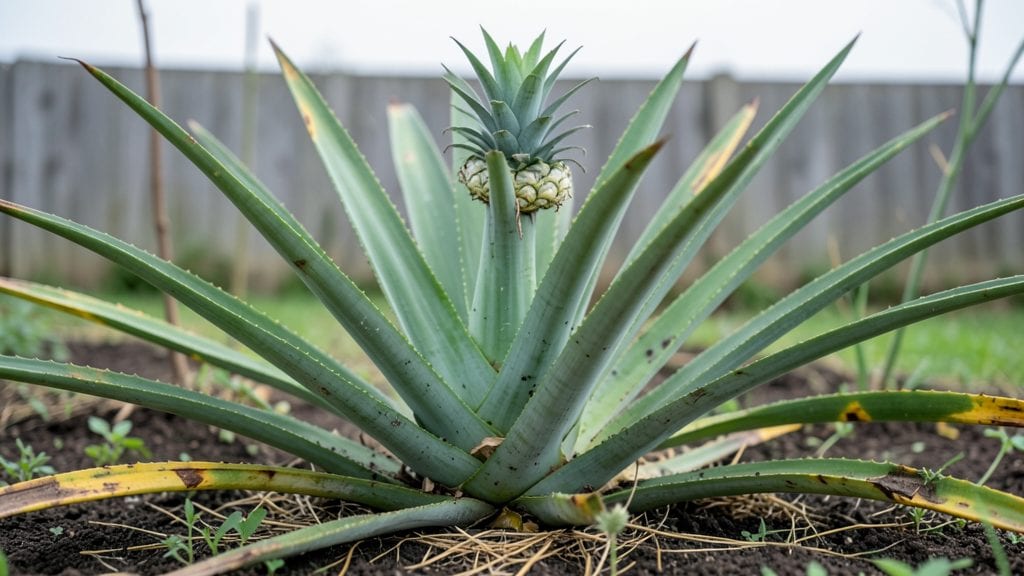
Growing pineapple plants in your garden feels like stealing a slice of Hawaii—right in your backyard or windowsill. 🌱 I’ve watched these spiky, exotic plants transform from a $5 grocery store top into a thriving, fragrant bush that actually produces fruit, and it’s easier than you’d think, even in cooler climates.
The real secret isn’t some rare tropical soil—it’s matching their needs to what you can provide. Pineapples love well-draining soil, bright light (think 6+ hours of sun daily), and a pot with drainage holes if you’re growing them in containers.
They’re tougher than you’d expect: I’ve grown them in Zone 7 with just a sunny windowsill and a heat lamp in winter.
By year two, you’ll see those signature pineapple leaves unfurl, and with patience (yes, 2-3 years for fruit), you’ll harvest a sweet, tangy pineapple that tastes nothing like the store-bought version. The smell alone—tropical, citrusy, and alive—makes every step worth it.
Whether you’re in a small apartment or a suburban yard, pineapples adapt. The key? Don’t overwater (they hate soggy roots) and keep them warm. Let’s get those pups planted—your future breakfast is waiting.
📚 In This Guide
- What you need
- Instructions
- Tips and common mistakes
- Wrapping up and next steps
What you need
- ● Pineapple plant: A healthy Ananas comosus (pineapple plant) from a nursery, online store, or even a crown (top) from a store-bought pineapple (let it dry for 2–3 days first!).
- ● Well-draining potting mix: A blend of 60% cactus/succulent mix and 40% perlite or pumice (1–2 gallons per container). Avoid garden soil—it retains too much moisture!
- ● Container (if not planting in ground): Minimum 12-inch diameter (bigger is better for mature plants).
- ● Must have drainage holes (critical to prevent root rot!).
- ● Terracotta or fabric pots recommended for airflow.
- ● Slow-release fertilizer: A balanced 10-10-10 or 8-3-9 formula (follow label for application rates).
- ● Watering can with a narrow spout: For precise hydration (pineapples hate soggy roots!).
- ● Pruning shears (for trimming dead leaves or suckers).
- ● pH test kit (ideal soil pH: 4.5–6.5, slightly acidic).
- ● Mulch (pine bark or straw) to retain moisture in ground-planted pineapples.
- ● Support stake (if growing in windy areas).
- ● Sunlight: 6+ hours of direct sunlight daily (partial shade in scorching climates).
- ● Warmth: Pineapples thrive in USDA Zones 10–12 or indoors with grow lights. If in cooler zones, grow in containers and overwinter indoors.
- ● Patience: It takes 18–36 months for a pineapple plant to bear fruit!
Step-by-step instructions for growing pineapple plants in containers
Here's how to cultivate your own tropical fruit—no greenhouse required.
🌱 Step 1: Select and Prepare the Pineapple Top
Start with a fresh pineapple from the grocery store. Choose one with a healthy, green crown that feels firm and doesn't wilt when you gently tug it. Using clean, sharp scissors, cut the crown about 1 inch below the base, leaving a few of the lower leaves intact. Remove any remaining fruit flesh from the base—this prevents rot and encourages root growth.
Let the top dry in a warm, shaded spot for 2-3 days. This callusing step is critical—it prevents moisture-related rot when you plant. You'll know it's ready when the base looks slightly hardened and dry. Avoid direct sunlight during this phase, as it can scorch the delicate leaves.
🪴 Step 2: Choose the Right Container and Soil Mix
Pineapple plants thrive in containers with excellent drainage. Use a pot at least 6 inches deep and wide, with multiple drainage holes. Fill the bottom 1-2 inches with small gravel or coarse sand to improve drainage further. The soil mix should be well-draining but retain some moisture—blend equal parts of cactus/succulent mix and perlite.
Fill the container halfway with this mix, then create a small mound in the center. Place the pineapple top on top, ensuring the base touches the soil but the leaves remain upright. This positioning encourages roots to grow downward into the soil rather than staying at the surface.
💧 Step 3: Water and Provide Initial Care
Water the pineapple top thoroughly until water drains freely from the bottom holes. Allow the excess water to run out completely—pineapples despise soggy roots. After watering, place the container in a location with bright, indirect light, such as an east-facing window. Avoid direct sunlight initially, as it can stress the young plant.
Keep the soil lightly moist but never soggy. Mist the leaves occasionally to maintain humidity, especially if your home is dry. You'll notice new roots forming within 4-6 weeks, and the base will begin to swell slightly as the plant establishes itself. This is your cue that it's thriving.
☀️ Step 4: Transition to Full Sun and Fertilize
Once the pineapple top has developed a few inches of roots and shows signs of new growth, gradually introduce it to morning sunlight. Over 1-2 weeks, increase exposure until it receives 6-8 hours of direct sun daily. Pineapples love warmth but can scorch in intense afternoon rays, so a south or west-facing spot with afternoon shade works best.
Begin fertilizing every 4-6 weeks with a balanced, water-soluble fertilizer diluted to half strength. This encourages robust growth and sets the stage for eventual fruiting. You'll know it's time to increase fertilizer strength when the plant reaches 12-18 inches tall and has a sturdy, woody base.
⏰ Step 5: Monitor Growth and Prepare for Fruiting
Pineapple plants typically take 18-36 months to produce fruit, depending on growing conditions. During this time, focus on maintaining consistent moisture, providing ample sunlight, and fertilizing regularly. You'll see the plant develop long, spiky leaves and a thick, woody stem. When the center leaves begin to curl slightly and the plant reaches 2-3 feet tall, it's ready to fruit.
If you're growing in a container, consider repotting to a slightly larger size to accommodate the plant's expanding root system. This step ensures stability and prevents root-bound stress. With patience and care, you'll eventually see a small, green pineapple forming at the center—proof that your tropical oasis is working!
Tips & tricks for perfect pineapple plant cultivation
Growing a pineapple from a grocery store top isn't just possible—it's rewarding when you know these pro secrets.
Callusing is Non-Negotiable: That 2-3 day drying period in Step 1 isn't optional—it's your first line of defense against rot. I've seen pineapple tops rot within days when this step was skipped. Place them on a paper towel-lined tray in a warm, shaded spot (70-75°F works best) and check daily. The base should develop a slightly leathery texture before planting. This callusing creates a natural barrier that prevents moisture-related diseases once you introduce soil.
Root Development Timing: The 4-6 week window for root formation in Step 3 is when most beginners give up. Don't be tempted to pull up the plant to check roots early—this disrupts the delicate root system. Instead, gently press on the sides of the container. If you feel resistance, roots are forming. For a visual check, place the container on a white plate—roots will grow through drainage holes and become visible. This non-invasive method lets you monitor progress without damage.
Sun Transition Strategy: The gradual 1-2 week sun acclimation in Step 4 is where most pineapple plants fail. Start with just 1-2 hours of morning sun daily, then increase by 30 minutes every 2-3 days. Pineapple leaves are sensitive to sudden heat—you'll notice them curling or turning yellow if you rush the process. A south-facing window with morning sun and afternoon shade creates the perfect balance for tropical plants in containers.
Fertilizer Timing Hack: While the instructions suggest starting fertilizer at 12-18 inches tall, I've found that adding a light application of diluted fertilizer (¼ strength) when the plant reaches 6 inches tall gives it a growth boost without risking over-fertilization. The key is to use a balanced, water-soluble fertilizer—pineapples are heavy feeders but can't handle salt buildup from concentrated fertilizers. Always water thoroughly before and after fertilizing to prevent root burn.
Pro Tips for Pineapple Plant Grow A Garden
- Growing a pineapple from a grocery store top isn't just possible—it's rewarding when you know these pro secrets.
- Callusing is Non-Negotiable: That 2-3 day drying period in Step 1 isn't optional—it's your first line of defense against rot.
- Root Development Timing: The 4-6 week window for root formation in Step 3 is when most beginners give up.
Frequently asked questions
Got questions about growing your own pineapple plant? You’re not alone—this tropical gem can be tricky for beginners! Here are some of the most common queries (and answers) to help you cultivate success in your garden or container.
How long does it take for a pineapple plant to produce fruit?
A pineapple plant typically takes 18–24 months to bear fruit from the time you plant a crown (the top of a store-bought pineapple). Patience is key—focus on keeping the plant healthy with bright light, well-draining soil, and occasional fertilizer. If your plant isn’t flowering after 2 years, check for adequate sunlight (6+ hours daily) or consider encouraging blooming with ethylene treatments.
Can pineapple plants survive winter or cold weather?
Pineapple plants are tropical and thrive in USDA zones 10–12. If you live in cooler climates, grow them in containers and move them indoors (near a sunny window or under grow lights) when temperatures drop below 50°F (10°C). Even a light frost will kill the plant—hardiness isn’t its strong suit! For outdoor growers, use mulch or frost cloth as a temporary shield.
Why isn’t my pineapple plant flowering?
Pineapple plants often won’t flower without a trigger like ethylene gas (found in ripe apples or bananas) or a temperature shift. Try placing a ripe apple near the plant for 2–3 days or move it to a cooler spot (around 60°F/15°C) at night for a few weeks. If the plant is young (<1 year old) or lacks nutrients, it may also delay blooming—feed it with a balanced fertilizer (like 10-10-10) every 2–3 months.
What’s the best soil mix for growing pineapple plants?
Pineapple plants hate soggy roots, so use a fast-draining mix like:
- 60% cactus/succulent soil
- 30% perlite or pumice (for aeration)
- 10% coarse sand or orchid bark (to prevent compaction)
Can I grow a pineapple from a store-bought pineapple top?
The crown (leafy top) of a pineapple is a free, ready-to-root starter. Here’s how:
- Twist or cut the crown just below the leaves (leave 1–2 inches of stem).
- Let it dry for 1–2 days to callous the cut.
- Plant in moist, well-draining soil and place in bright, indirect light.
- Keep soil lightly moist (not soggy) until roots form (4–6 weeks).
Wrapping up and next steps
Growing a pineapple plant is a rewarding journey that brings a taste of the tropics to your garden—even in containers or small spaces! 🌱 With the right sunlight, soil, and care, you’ll enjoy vibrant foliage and, eventually, sweet, juicy fruit.
Whether you’re a seasoned gardener or a beginner, this tropical treat is well within reach.
Now that you’re armed with the key tips and answers, why not take the next step? Start with a single pineapple top or a young plant, and let your green thumb shine. Happy growing—your future harvest (and Instagram-worthy plant!) is waiting! 🌴✨