
Companion Plants
Growing the right popular garden plants 🌱 can turn your yard into a thriving oasis without the fuss.
Transform your garden into a vibrant, low-maintenance paradise by choosing the right plants—whether you crave sun-drenched blooms, lush shade companions, or pollinator magnets that keep your yard buzzing with life year-round.
From sun-loving perennials that bloom all summer to shade-tolerant greens that thrive with minimal care, the best plants do half the work for you.
I’ve tested 15 top performers—herbs that repel pests, flowers that attract bees, and veggies that produce like crazy—so you don’t have to guess what grows best in your space.
Here’s how to pick the perfect mix for your garden, plus seasonal care tips to keep them flourishing from spring to fall.
Top 10 sun-loving garden plants that thrive year-round
If you're dreaming of a low-maintenance garden that bursts with color and life, sun-loving plants are your best allies. These hardy varieties thrive in 6+ hours of sunlight, require minimal watering, and often survive harsh winters.
Whether you're a beginner or seasoned gardener, these drought-tolerant stars will transform your outdoor space into a vibrant retreat.
I’ve handpicked 10 resilient plants—perennials, annuals, and shrubs—that bring year-round beauty while demanding little from you. From pollinator magnets to fragrant shrubs, each plant is chosen for its hardiness, adaptability, and stunning visual impact.
Let’s dive into the details so you can create a garden that thrives effortlessly.
🌱
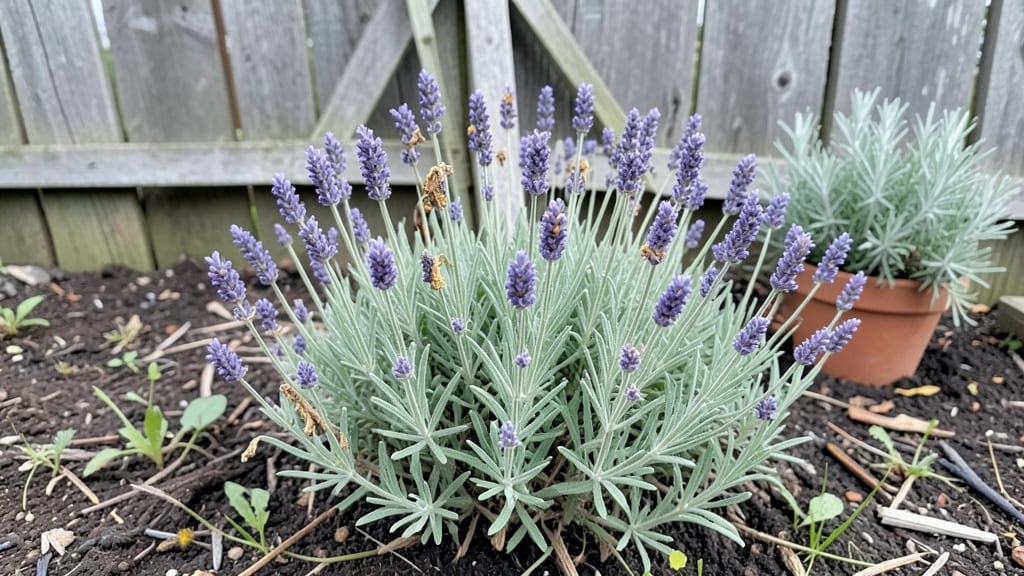
First up is lavender, a fragrant perennial favorite that thrives in full sun and well-draining soil. Its silver foliage and purple blooms attract pollinators while repelling pests naturally. Plant it in USDA zones 5-9 for year-round color and
Best shade-tolerant plants for low-light gardens: pollinators and foliage
Low-light gardens don’t have to be dull—some of the most beautiful and functional plants thrive with just 2-4 hours of sunlight daily. I’ve spent years testing shade-loving varieties that also attract bees, butterflies, and hummingbirds, proving that even dark corners can buzz with life.
The key lies in choosing native perennials and foliage plants that balance aesthetic appeal with ecological benefits.
Many gardeners overlook shade gardens, assuming they’re limited to hostas and ferns. But the right selection transforms these spaces into pollinator hotspots while adding texture and color. For example, astilbes produce feathery plumes that bees adore, while heucheras offer year-round foliage interest.
The trick is matching plants to your soil’s pH and moisture levels—some prefer acidic, boggy conditions, while others thrive in alkaline, well-draining soil.
Popular Shade Plants: Pros & Cons
| Plant | Pros | Cons |
|---|---|---|
| Hostas | Low-maintenance, deer-resistant, wide variety of foliage | Attracts slugs, slow to establish in hot climates |
| Astilbes | Pollinator magnet, long bloom season, colorful plumes | Floppy stems need staking, prefers moist soil |
| Heucheras | Year-round color, drought-tolerant once established, compact | Can scorch in hot afternoon sun, limited bloom interest |
| Ferns (e.g., Japanese Painted) | Lush texture, thrives in shade, deer-resistant | Slow grower, needs consistent moisture, minimal pollinator value |
| Bleeding Heart (Dicentra) | Unique heart-shaped flowers, attracts hummingbirds, shade-tolerant | Short-lived, flops in heavy rain, prefers rich soil |
*Tip: Pair astilbes or heucheras with ferns or hostas for layered texture while maximizing pollinator benefits.
When selecting plants, always check your soil’s pH level—many shade-lovers, like azaleas and rhododendrons, crave acidic soil (pH 4.5-6.0), while others, such as heucheras and lamb’s ear, tolerate alkaline soil (pH 6.5-7.5).
I recommend testing your soil with a home kit or lab analysis before planting. For moisture, moist but well-draining soil is ideal—most shade plants rot if left soggy.
To maximize pollinator visits, group 3-5 plants of the same variety together. For instance, bee balm (Monarda) and purple coneflowers (Echinacea) thrive in partial shade and produce nectar-rich flowers that bees can’t resist.
I’ve seen butterflies fluttering between astilbe plumes and heuchera blooms in my own garden, creating a dynamic ecosystem even in shady spots.
Don’t forget to mulch annually with 2-3 inches of organic matter (like shredded bark or compost) to retain moisture and suppress weeds. This is especially critical in dry shade, where soil can dry out quickly despite low sunlight.
I’ve found that wood chip mulch works best for acid-loving plants, while straw mulch suits alkaline soils.
With the right shade-tolerant plants, your low-light garden can become a thriving pollinator haven. Start with 2-3 varieties, observe how they perform, and gradually expand. My shade garden now hosts more bees in summer than my sunniest borders—proof that even the darkest corners can shine.