Landscaping
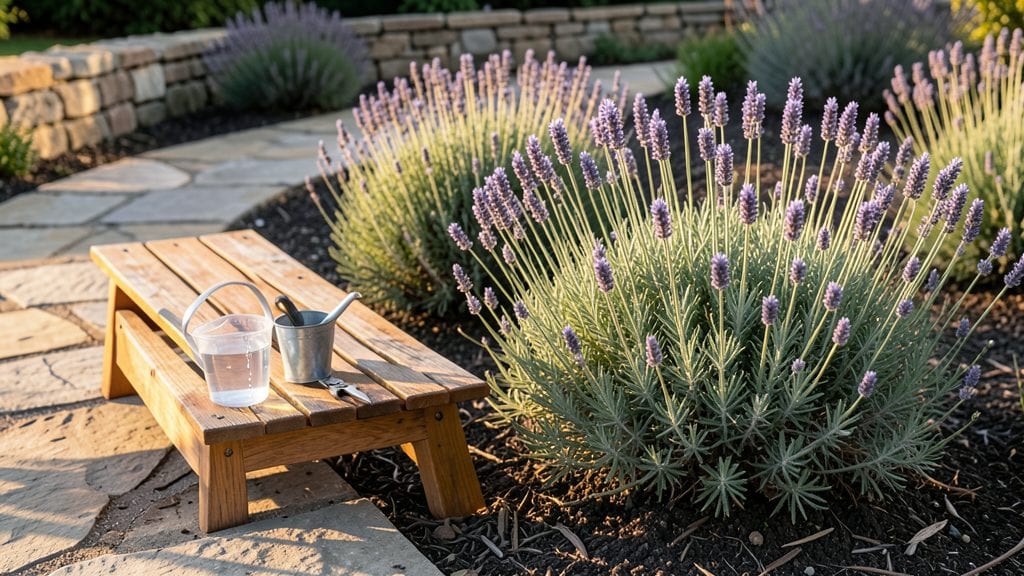
My prayer garden plans began with a quiet corner where earth and intention meet—between the old oak and the stone wall. The layout tells a story: winding paths that invite reflection, plants that whisper peace, and elements that ground the soul before it takes flight.
You’ll need just a few key pieces: a central focal point (a bench, a small fountain, or even a simple cross), plants with meaning (lavender for calm, lilies for renewal, or rosemary for remembrance), and pathways that guide movement without hurry.
My garden uses flagstone steps and crushed gravel—easy on the feet, easy on the eyes, and impossible to rush through. The goal isn’t perfection; it’s purpose.
By the time you’re done, you’ll have a space that feels like sanctuary—where the air smells of crushed mint and wild thyme, where sunlight filters through the branches just right, and where every visitor (or wanderer) leaves a little lighter.
The best part? It grows with you, adapting as your needs and intentions deepen over time.
Whether you’re honoring traditions, creating a personal retreat, or designing for a community, the principles stay the same: simplicity, symbolism, and space to breathe. Let’s bring this vision to life—one thoughtful step at a time.
📚 In This Guide
- What you need
- Instructions
- Tips and common mistakes
- Wrapping up and next steps
What you need
- ● Soil: 10–20 cubic yards of high-quality topsoil (amend with compost for fertility).
- ● Plants: 5–10 sacred or symbolic plants (e.g., lavender, rosemary, sunflowers, or prayer plants like Sansevieria).
- ● 3–5 native shrubs or trees (e.g., olive, cypress, or fruit-bearing trees for blessings).
- ● Pathway Materials: Gravel, stepping stones, or flagstone (10–15 linear feet, depending on design).
- ○ Water Feature (Optional but Recommended): A small fountain, birdbath, or shallow basin (12"–18" diameter).
- ● Water pump (if needed, 1/4–1/2 HP).
- ● Seating: 1–2 benches, meditation cushions, or simple wooden stools.
- ● Symbolic Decor: Wind chimes, prayer flags, or a small altar table.
- ● Natural elements like smooth stones, driftwood, or a sand mandala kit.
- ● Shovel, rake, and garden hoe.
- ● Wheelbarrow (for soil transport).
- ● Measuring tape and stakes (for layout).
- ● Level and string line (for straight pathways).
- ● Pruners, gloves, and a watering can.
- ○ Optional: String lights or solar-powered path lights.
- ● Sunlight assessment: 6+ hours of sunlight daily for most plants.
- ● Water access: A hose or irrigation system nearby.
- ● Permits: Check local regulations if adding structures (e.g., fountains or permanent seating).
- ● Personal intent: Define your garden’s purpose (e.g., meditation, gratitude, or remembrance).
How to design a prayer garden with meaningful layouts
Creating a prayer garden isn't just about planting—it's about crafting a space where intention meets nature.
Choose a Sacred Location
Find a spot that feels spiritually charged, whether it's a quiet corner of your yard or a sunlit patio. I like to spend time in the area first, noticing how the light shifts throughout the day and which breezes pass through. A location near a natural feature—like a tree, stone, or water—adds an extra layer of meaning. Avoid areas with heavy foot traffic or loud noises; this garden deserves peace.
Once you've chosen the site, mark its boundaries with soft materials like twine or fabric. This helps visualize the space before planting. I often walk the perimeter, imagining how I'll move through it—will there be a winding path? A central altar? This initial step sets the tone for everything that follows.
Plan Symbolic Pathways
Design pathways that invite reflection, such as a gentle curve or straight line leading to a focal point. I prefer using gravel, stepping stones, or even a simple dirt path, as these materials require minimal maintenance while still guiding movement. For a contemplative walk, aim for a path that's about 3 feet wide—narrow enough to focus the mind but wide enough to accommodate a wheelchair or cart if needed.
Incorporate symbolic elements along the path, like small crosses, wind chimes, or inscribed stones. These touchpoints create natural pauses for prayer or meditation. I like to place them at intervals of about 5-7 feet, spaced so they feel intentional rather than crowded. The key is balance—each element should enhance the journey without overwhelming it.
Select Plants With Spiritual Significance
Choose plants that hold personal or cultural meaning, such as lavender for calm, roses for love, or sunflowers for joy. I often include a mix of evergreens for year-round presence and seasonal blooms for color. For a low-maintenance garden, opt for drought-tolerant varieties like lavender or Russian sage, which thrive with minimal watering once established.
Arrange plants in clusters of three or five—odd numbers feel more natural and intentional. Place taller plants toward the back or center, with shorter ones framing the edges. I like to group plants by type or color to create visual harmony. For example, a trio of white roses near the entrance can symbolize purity, while a circle of sunflowers might represent gratitude.
Create a Central Focal Point
Designate a central area for reflection, such as a small altar, bench, or simple stone. I often use a flat stone or wooden slab as a base, topped with a cross, candle holder, or a small bowl of sand. This spot should feel inviting but not cluttered—think of it as a place to sit, pray, or simply be still. Surround it with a few carefully chosen plants, like a single bush or small tree, to frame the space.
Add elements that resonate with your faith or personal beliefs, such as a Bible verse engraved on a stone, a small fountain for water, or a wind chime for sound. The focal point should feel complete yet open-ended, encouraging visitors to add their own touches over time. I like to include a small notebook nearby for visitors to jot down prayers or reflections.
Add Finishing Touches for Harmony
Incorporate finishing touches that enhance the garden's spiritual atmosphere, like soft lighting, fragrant plants, or a gentle water feature. I often use solar-powered lights along the pathways to create a serene glow at dusk. For fragrance, include plants like jasmine, gardenia, or mint, which evoke sensory memories tied to peace and prayer.
Finally, consider adding a small sign or plaque near the entrance to explain the garden's purpose. This invites others to engage with the space respectfully. I like to keep the wording simple and open-ended, like "A place for prayer and reflection." The goal is to create a space that feels sacred to you while remaining welcoming to others.
Tips & tricks for perfect prayer garden layouts
Designing a prayer garden that feels truly sacred requires attention to details that go beyond simple planting. These insights will help you create a space that nurtures both spirit and soul.
The Sacred Location Secret: When selecting your spot in Step 1, spend at least 30 minutes observing the area at different times of day. Notice which direction the morning sun streams in—this can determine where your focal point should be positioned. I've found that east-facing gardens often feel especially peaceful for morning prayers, while west-facing spaces work beautifully for sunset reflections. Trust your intuition about which natural features (trees, stones, or water) resonate most with you—these will become the anchors of your sacred space.
Pathway Design Insight: The 3-foot width recommendation in Step 2 creates the perfect balance between intimacy and accessibility. For a more contemplative experience, consider adding subtle curves to your path rather than straight lines—this encourages slower movement and deeper reflection. Along those 5-7 foot intervals mentioned for symbolic elements, I like to incorporate small benches or stepping stones at natural resting points. These create opportunities for spontaneous prayer without disrupting the garden's flow.
Plant Selection Strategy: While the instructions suggest lavender and sunflowers, don't overlook native plants that thrive in your specific climate. These require less maintenance and often hold special significance for local ecosystems. For example, in dry climates, consider adding yarrow or blanket flower, both of which attract beneficial insects while symbolizing healing. When arranging your plants in clusters of three or five, remember that odd numbers create visual harmony while also representing spiritual completeness in many traditions.
Focal Point Enhancement: The central area you create in Step 4 should feel like a natural extension of your spiritual practice. For a more interactive experience, consider adding a small water feature like a tabletop fountain—its sound creates a meditative environment. I've also found that including a simple wooden cross or other religious symbol (even if minimalist) helps ground the space. The key is to keep it uncluttered—think of it as a canvas where visitors can add their own personal touches over time, like the notebook you might include for reflections.
Pro Tips for Prayer Garden Plans
- Designing a prayer garden that feels truly sacred requires attention to details that go beyond simple planting. These...
- The Sacred Location Secret: When selecting your spot in Step 1, spend at least 30 minutes observing the area at diffe...
- Pathway Design Insight: The 3-foot width recommendation in Step 2 creates the perfect balance between intimacy and ac...
Frequently asked questions
Got questions about creating your prayer garden? Here are some common ones—and their answers—to help you design a space that feels truly sacred and intentional.
What’s the best time of year to start building a prayer garden?
Spring or early fall are ideal! Spring offers mild weather and fresh growth, while fall lets you plant perennials that’ll thrive year-round. Avoid extreme heat or frost, which can stress plants and make installation harder. If you’re in a warm climate, winter can work too—just plan for irrigation needs.
Do I need a water source, or can I skip it?
A water feature (like a small fountain or birdbath) adds tranquility and symbolism, but it’s not mandatory. If you skip it, focus on other calming elements like wind chimes, smooth stones, or lush greenery. Just ensure your garden stays hydrated—drought-tolerant plants (like lavender or sedum) can reduce maintenance.
What’s the easiest way to create a symbolic pathway?
Use stepping stones, gravel, or a simple flagstone path to guide movement intentionally. For a low-cost option, lay down flat stones or mulch in a winding pattern. Avoid straight lines—curves encourage reflection. Pro tip: Mark your path with gentle bends to mimic natural, meditative walks.
How do I keep my prayer garden low-maintenance?
Choose native plants (they thrive with minimal care), use mulch to suppress weeds, and opt for hardy materials like decomposed granite or pavers. Add a drip irrigation system if you’re prone to forget watering. A small garden (under 10x10 feet) stays manageable—focus on quality over size!
What’s the biggest mistake beginners make in prayer garden design?
Overcomplicating it! Many start with too many elements or expensive features. Begin with one focal point (a bench, statue, or tree) and a few symbolic plants (like roses for love or sunflowers for joy). Keep it simple so it feels peaceful, not overwhelming. Less is more—your intention matters most.
Wrapping up and next steps
Creating a prayer garden is a beautiful way to blend nature, spirituality, and intentional design—crafting a space that nurtures both the soul and the senses. Whether you’re drawn to serene pathways, symbolic plants, or quiet benches, the key is to infuse your garden with meaning and peace.
Start small, trust your intuition, and let your sacred space grow alongside your faith.
Ready to begin? Sketch your vision today—grab a notebook, visit local nurseries for inspiration, or explore online templates. Every sacred step you take will deepen the connection between your heart and the earth. 🌿✨