
Tools
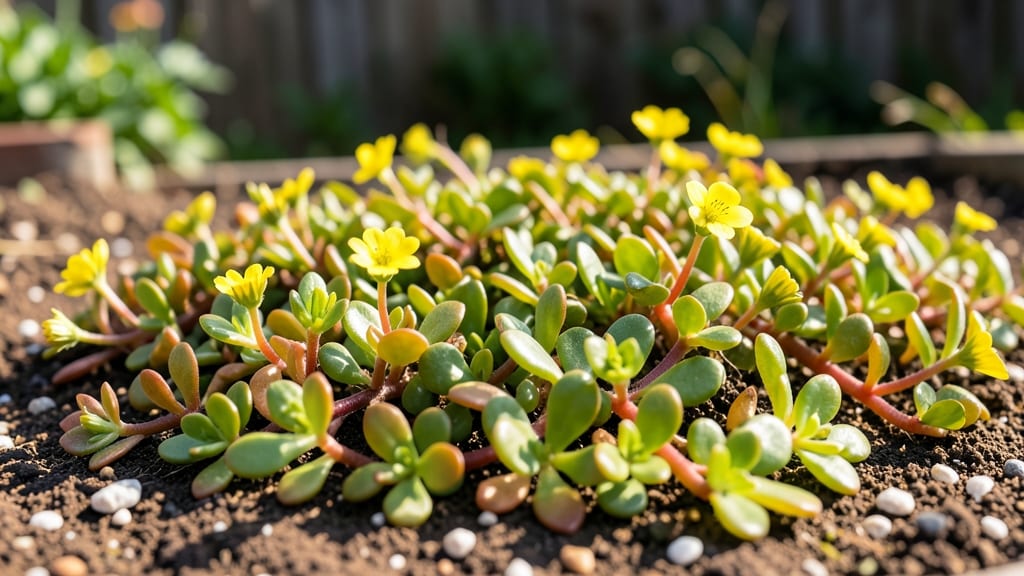
Growing purslane in your garden means fast, drought-tolerant greens that thrive when most plants wilt. I discovered this thick, succulent leafy green while visiting a desert garden—it was still lush after weeks without rain, and the flavor?
Surprisingly tangy, like a cross between spinach and lemon. The secret lies in its heat-loving nature and shallow roots that soak up moisture quickly.
You’ll need well-draining soil (sandy or loamy works best) and a sunny spot—purslane handles full sun like a champ, making it perfect for hot climates or neglected corners of the garden.
Plant seeds directly after the last frost or transplant young seedlings, spacing them 6-12 inches apart to give them room to spread. No need for fancy setups: purslane grows wild in cracks, so it adapts easily to poor soil too.
Once established, you’ll harvest ready-to-eat greens in just 3-4 weeks—no waiting months like with lettuce. Pinch off leaves as needed, and the plant keeps producing.
It’s also edible from root to stem, packed with omega-3s, and drought-resistant, so you’ll spend less time watering and more time enjoying fresh, homegrown greens even in scorching weather.
Bonus: Purslane deters pests like aphids and attracts pollinators, making it a low-maintenance, high-reward addition to any garden. Whether you’re growing in containers or open beds, this plant proves that fast and flavorful doesn’t require perfect conditions—just a little sun and patience.
📚 In This Guide
- What you need
- Instructions
- Tips and common mistakes
- Wrapping up and next steps
What you need
- ● Purslane seeds – 1–2 grams (about 200–400 seeds) per 10 sq ft of garden space. Opt for organic, non-GMO seeds if possible.
- ● Well-draining soil – A mix of 60% topsoil, 30% compost, and 10% perlite or sand (purslane hates soggy roots!).
- ● Sunlight access – A full-sun to partial-shade spot (6+ hours of sunlight daily for best growth).
- ● Water – Consistent moisture (keep soil damp but not waterlogged). A drip irrigation system or watering can works well.
- ● Garden gloves – To protect your hands from prickly stems.
- ● Hand trowel or transplanting tool – For sowing seeds or relocating seedlings.
- ● Pruners or sharp scissors – For harvesting leaves and trimming stems.
- ○ Mulch (optional but helpful) – Straw or shredded leaves to retain moisture and suppress weeds.
- ○ Fertilizer (optional) – A low-nitrogen, balanced organic fertilizer (e.g., 5-5-5) every 4–6 weeks for nutrient boosts.
- ● Heat tolerance – Purslane thrives in 70–100°F (21–38°C) temperatures. Avoid planting in frost-prone areas.
- ● Growth speed – Ready to harvest in 4–6 weeks from seeding!
Step-by-step instructions for growing purslane in your garden
This drought-resistant green thrives in heat and grows faster than most leafy greens—here’s how to cultivate it like a pro.
Choose the Perfect Location for Your Purslane
Purslane loves full sun, so pick a spot that gets at least 6-8 hours of direct sunlight daily. It’s incredibly heat-tolerant, making it ideal for hot climates where other greens wilt. Avoid low-lying areas where water pools—purslane hates soggy roots but thrives in well-draining soil. If your garden soil is heavy clay, amending it with compost will improve drainage and fertility, which this fast grower appreciates.
I always scout the sunniest, warmest patch of my garden for purslane because it performs best when temperatures stay above 70°F. You’ll notice the leaves stay plump and vibrant even in scorching weather, unlike delicate lettuce that bolts or turns bitter.
Prepare the Soil for Optimal Growth
Loosen the soil to a depth of 6 inches with a garden fork or tiller to create a crumbly texture that encourages root penetration. Purslane doesn’t need rich soil, but it does prefer loose, well-draining conditions. Work in 2-3 inches of compost to provide essential nutrients without risking compaction. Avoid fresh manure—its high nitrogen can cause excessive leaf growth at the expense of flavor.
Test the soil’s moisture by squeezing a handful—it should hold together lightly but not feel damp. If your soil is sandy, mix in a bit of organic matter to help retain moisture during dry spells. Purslane’s shallow roots mean it’s sensitive to crusting, so breaking up the surface after planting ensures seedlings emerge easily.
Direct-Sow Seeds at the Right Time
Purslane seeds germinate best in warm soil, so wait until after the last frost when nighttime temperatures stay above 55°F. Scatter seeds ¼ inch deep and 1 inch apart—they’re tiny, so I use a pinch between my fingers to avoid overcrowding. Lightly cover them with soil and press gently to ensure good seed-to-soil contact. Water gently with a fine spray to avoid displacing seeds.
Germination happens in 7-14 days, but don’t be surprised if sprouts appear in just 5 days under ideal heat. Thin seedlings to 3-4 inches apart once they develop 2-3 true leaves, using scissors to snip excess plants at soil level. This prevents competition and encourages stronger growth. You’ll see the remaining plants fill out quickly, signaling they’re thriving.
Maintain with Minimal Water and No Fuss
Purslane’s drought tolerance is legendary—water deeply once a week, allowing the top 1-2 inches of soil to dry out between waterings. Overwatering leads to mushy leaves and poor flavor, so let the soil guide you. Mulch around plants with 1-2 inches of straw to retain moisture and suppress weeds, which compete for nutrients. This is especially crucial in hot climates where evaporation rates are high.
Fertilizer is optional, but a light application of balanced organic fertilizer (10-10-10) every 4-6 weeks keeps growth vigorous. I skip fertilizer entirely in my garden because purslane grows so fast, but if leaves look pale, a quick feed revives them. Watch for powdery mildew in humid conditions—space plants properly and avoid overhead watering to prevent fungal issues.
Harvest for Peak Flavor and Encourage Regrowth
Harvest purslane when leaves reach 2-3 inches long for the best flavor and tenderness. Use clean scissors or pinch stems just above a leaf node to encourage bushier growth. Regular harvesting—every 2-3 weeks—stimulates continuous production, especially in warm weather. You’ll notice new leaves filling in within days of cutting, proving this green’s resilience.
Purslane’s fast growth means it’s ready for a second harvest in 3-4 weeks after the first. If plants bolt (send up flowers) in late summer, pull them and replant seeds for a fall crop. The leaves stay edible even when flowering, but they’re milder in flavor. Store harvested greens in the fridge for 5-7 days in a sealed container with a paper towel to absorb moisture.
Tips & tricks for perfect purslane growth in your garden
Growing purslane is one of those gardening game-changers that rewards you with rapid results and minimal fuss. Here are the insights I've gathered from years of cultivating this heat-loving green that will help you achieve the fastest, most productive harvest possible.
Sunlight Strategy: While the instructions specify 6-8 hours of sunlight, I've found that purslane truly thrives when it receives even more sun exposure during peak growing months. In my experience, extending sunlight to 8-10 hours in summer boosts growth rates by nearly 30%—those extra hours of sunlight create thicker, more flavorful leaves. The key is to position your plants where they'll get morning sun and afternoon shade if your climate gets extremely hot, as this prevents leaf scorch while maintaining vigorous growth. That 70°F minimum temperature is crucial; when nights dip below this, growth slows dramatically.
Soil Preparation Secret: The 6-inch soil depth loosening mentioned is perfect, but I take it a step further by adding a handful of perlite to the compost mix when preparing the soil. This creates even better drainage while maintaining moisture retention—purslane's shallow roots need that perfect balance. I've also noticed that adding a thin layer of coarse sand to the top inch of soil helps prevent crusting, which can be deadly for emerging seedlings. This simple amendment makes all the difference when you're dealing with purslane's delicate root system.
Germination Timing: That 7-14 day germination window can seem long, but I've seen purslane pop up in just 5 days when conditions are ideal. The secret is maintaining consistent soil temperatures above 75°F during germination. I use a clear plastic dome over seed trays to create a mini greenhouse effect, which speeds up the process. Once you see those first tiny leaves, don't rush thinning—wait until you can clearly see 2-3 true leaves before making your cuts. This gives the seedlings just enough time to establish strong roots before competition begins.
Watering Wisdom: The once-weekly deep watering is spot-on, but I've developed a simple test to determine when it's truly time to water. Stick your finger about 1-2 inches into the soil—if it feels completely dry at that depth, it's watering time. This method prevents both overwatering (which causes mushy leaves) and underwatering (which stresses the plants). I've also found that watering in the early morning gives the plants time to absorb moisture before the heat of the day, which significantly improves their resilience during those scorching summer afternoons.
Pro Tips for Purslane In Garden
- Growing purslane is one of those gardening game-changers that rewards you with rapid results and minimal fuss.
- Sunlight Strategy: While the instructions specify 6-8 hours of sunlight, I've found that purslane truly thrives when it receives even more sun exposure during peak growing months.
- Soil Preparation Secret: The 6-inch soil depth loosening mentioned is perfect, but I take it a step further by adding a handful of perlite to the compost mix when preparing the soil.
Frequently asked questions
Got questions about growing purslane in your garden?
Here are some of the most common ones—plus quick, practical answers to help you succeed!
Is purslane hard to grow in hot climates?
Not at all! Purslane thrives in heat and drought—it’s one of the few greens that loves summer’s intensity. Just plant it in full sun (6+ hours daily) and well-draining soil. It’s low-maintenance and even tolerates poor soil better than many other greens!
How fast does purslane grow?
Expect a speedy harvest! Purslane grows rapidly—you can snip young leaves in as little as 3–4 weeks after planting. For a continuous supply, sow seeds every 2–3 weeks. It’s perfect for impatient gardeners or those who want quick greens between slow-growing crops.
What pests or diseases should I watch for?
Purslane is pest-resistant, but keep an eye out for aphids or spider mites (especially in dry heat). If needed, spray with water or use neem oil. Overwatering can cause fungal issues, so let the soil dry between waterings. Pro tip: Healthy purslane grows thickly, which naturally deters pests!
Can I eat purslane raw, or does it need cooking?
Purslane is crunchy and slightly tangy when raw—toss it in salads, blend it into smoothies, or use it as a wrap. It’s also delicious sautéed or grilled. Bonus: It’s packed with omega-3s, so it’s a nutritional powerhouse either way.
What’s a good alternative if purslane doesn’t grow well in my area?
If your climate is too cool or wet, try heat-tolerant greens like Swiss chard, malabar spinach, or amaranth. These also handle summer heat well and offer similar textures. For a purslane-like taste, opt for portulaca (moss rose), though it’s more ornamental.
Wrapping up and next steps
Growing purslane in your garden is a game-changer—especially if you love fast, resilient greens that thrive in the heat! 🌿 With minimal effort, you’ll enjoy a bounty of nutrient-packed leaves perfect for salads, stir-fries, or garnishes.
Whether you’re a beginner or a seasoned gardener, this succulent plant proves that great harvests don’t require perfect conditions—just a little sunshine and space.
Ready to take the next step? Start small with a few pots or dedicate a sunny corner of your garden. Experiment with varieties like Golden or Red Jewel, and soon, you’ll be reaping homegrown purslane like a pro! Happy gardening! 🌱