
Lawn
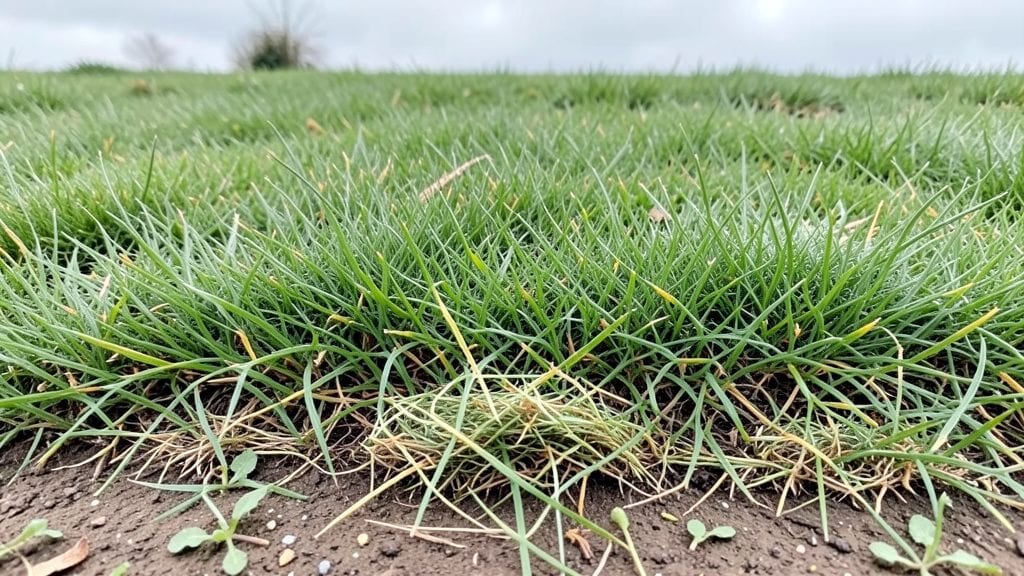
Grass clippings are essentially a slow-release fertilizer, packed with 1-3% nitrogen by dry weight that breaks down over time. 🌱 When you mulch them back into your lawn or garden beds, they feed soil microbes which then release nutrients back into the earth—nature’s way of recycling.
This process also improves soil structure by adding organic matter, making it easier for roots to grow and water to drain properly. The key is consistency: regular applications create a healthier soil ecosystem over time, reducing the need for chemical fertilizers.
For best results, aim for a ¼-inch layer or less—thicker layers can smother grass or plants by blocking sunlight. I always recommend applying clippings when the ground is dry to prevent clumping, and avoid doing it right before rain to let them settle properly.
If your lawn has been treated with herbicides or pesticides, wait at least 3 weeks before using those clippings in garden beds to protect your plants.
💡 In This Article
- How Grass Clippings Enhance Soil Fertility
- Best Practices for Using Grass Clippings Safely
How grass clippings enhance soil fertility
Here's what's actually happening when you spread grass clippings: they contain 1-3% nitrogen by dry weight, along with smaller amounts of phosphorus and potassium. This nitrogen content comes primarily from the chlorophyll in grass blades, which breaks down into ammonia during decomposition.
The process starts within hours as soil microbes—like bacteria and fungi—begin consuming the clippings, converting them into plant-available nutrients through a process called mineralization. This is why you'll see a noticeable difference in plant vigor within 2-4 weeks of regular applications.
The real magic happens below the surface. Grass clippings add organic matter that improves soil structure by increasing pore space, which enhances water infiltration and root penetration. Think of it like adding tiny air pockets to dense clay soil—similar to how compost loosens compacted earth.
Studies show that gardens amended with grass clippings can see a 30-50% improvement in soil aeration compared to untreated soil. The microbial activity also produces glomalin, a sticky glycoprotein that helps bind soil particles into stable aggregates, creating a more resilient soil structure over time.
What most people don't realize is how this compares to synthetic fertilizers. While chemical nitrogen (like urea or ammonium nitrate) provides an immediate but short-lived nutrient boost, grass clippings release nitrogen slowly over 4-8 weeks, matching plant uptake patterns more naturally.
This extended release reduces the risk of nutrient runoff—a major environmental concern with synthetic fertilizers. The organic matter also improves soil's cation exchange capacity, helping retain other essential nutrients like calcium and magnesium that would otherwise leach away.
There's also a sensory aspect to this process. Fresh clippings have a slightly sweet, earthy aroma as they decompose, signaling active microbial activity. Over time, the soil takes on a darker, richer hue—a visual indicator of improved organic content.
I've noticed this most dramatically in vegetable gardens where clipping-amended soil holds moisture better and warms up faster in spring, giving plants a head start. The texture becomes more crumbly, almost like a well-aged compost, rather than the dense, compacted feel of untreated garden soil.
For long-term benefits, consistency is key. Each application adds a small but cumulative layer of organic material. For example, spreading ¼-inch of clippings weekly over a growing season can add 1-2 inches of organic matter per year—equivalent to a light compost top dressing.
This gradual buildup creates a self-sustaining cycle where healthy soil microbes continue breaking down organic matter long after you've stopped adding clippings, maintaining fertility with minimal effort.
The science behind this involves a complex web of soil biology. When clippings decompose, they feed decomposer microbes which then become food for larger soil organisms like earthworms and springtails. These creatures further break down the material and create channels that improve drainage.
The end result is soil that's not just more fertile, but also better at retaining water and resisting compaction—a complete ecosystem upgrade that synthetic fertilizers simply can't match. 🌱