Pests
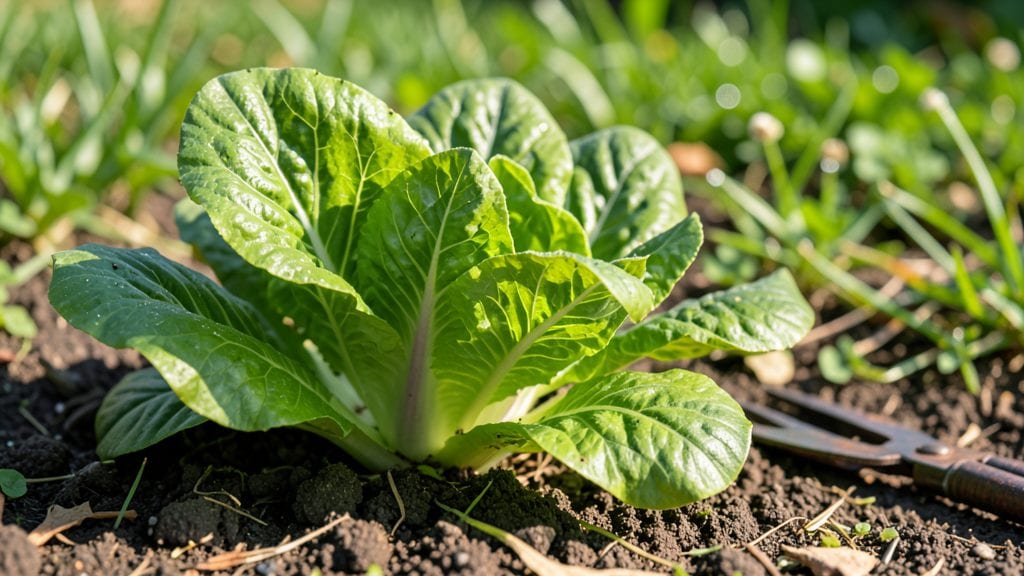
Rabbits eating garden plants can turn your hard work into a salad bar overnight. 🌿 I’ve lost entire rows of lettuce and tulips to these furry thieves, but I’ve also learned which barriers actually work—and which don’t. The key isn’t just fencing; it’s combining smart plant choices with physical protection that rabbits can’t chew through.
Most gardeners assume chicken wire is enough, but rabbits will gnaw right through it. Instead, I use 1/4-inch hardware cloth buried at least 12 inches deep—that stops them cold. For smaller gardens, raised beds with wire mesh skirts draped over the sides work surprisingly well.
And yes, I’ve tested the cheap stuff—don’t bother. Invest in galvanized mesh that won’t rust or degrade in a season.
You’ll see the difference in just a few nights. No more wilted stems or half-eaten leaves—just healthy plants thriving while your garden stays off the menu. The best part?
These methods keep rabbits out without harming them, so you’re not creating new pests. Now let’s talk about the plants that survive rabbit attacks on their own.
For extra peace of mind, interplant rabbit-resistant varieties like lavender, rosemary, or marigolds—their strong scents deter nibblers. And if you spot clean-cut stems or gnawed edges, act fast. A well-protected garden means fewer midnight snackers and more time enjoying your harvest. Ready to reclaim your plot?
📚 In This Guide
- What you need
- Instructions
- Tips and common mistakes
- Wrapping up and next steps
What you need
- ● Hardware cloth or rabbit wire: 1/2-inch mesh or smaller (rabbits can squeeze through gaps!). Measure your garden perimeter and add 6–12 inches for burial or staking.
- ● Stakes or T-posts: Galvanized steel, 2–3 feet long. Space them every 2–3 feet around the garden edge.
- ● Heavy-duty zip ties or wire: For securing wire to stakes (avoid plastic ties—they degrade!).
- ● Garden staples or U-nails: 1-inch galvanized to attach wire to fences or raised beds.
- ● Shovel or spade: For burying wire at least 12 inches deep (rabbits dig!).
- ● Measuring tape: Precision is key—no loose ends!
- ● Decorative edging: Bricks, rocks, or landscape fabric to hide wire and make barriers blend in.
- ● Motion-activated sprinklers: Scare rabbits with a sudden spray (great for larger areas).
- ● Chicken wire (temporary fix): Only for short-term use—rabbits can chew through it!
- ● Compost or mulch: To cover buried wire edges and deter digging.
Step-by-Step instructions for building rabbit-proof garden barriers
Here’s the straightforward method I’ve used to keep my garden safe from rabbits—no more chewed leaves or vanished plants.
🪴 Step 1: Choose Your Barrier Materials
Rabbits can squeeze through gaps as small as 3 inches, so your barrier must be at least 2 feet tall to deter them effectively. I like using hardware cloth (¼-inch mesh) because it’s sturdy and won’t rot like plastic. For a temporary fix, chicken wire works, but replace it every season—rabbits will chew through it over time.
If you’re working with a larger area, wooden fencing (at least 8 feet tall for serious rabbit pressure) or metal edging buried 6 inches deep creates a physical block they can’t dig under. Avoid plastic mesh—it tears easily and provides no real protection.
✂️ Step 2: Install the Barrier Securely
Start by marking the perimeter of your garden with stakes. For hardware cloth, cut pieces to fit between stakes, then bend the top 6 inches inward to create a slight overhang—this prevents rabbits from climbing over. Secure the mesh to the stakes with staple guns or zip ties, ensuring no gaps larger than ¼ inch exist.
If using wooden fencing, bury the bottom 6 inches deep and fill the trench with gravel to discourage digging. For metal edging, bend it outward at the base to create a 90-degree angle—this makes it harder for rabbits to push through. Double-check for weak spots where they could chew through.
🌱 Step 3: Reinforce Weak Points and Entry Zones
Rabbits target low-hanging branches, garden gates, and areas near trees or shrubs. Wrap hardware cloth around vulnerable spots, like the base of young plants or along fence lines. Even a small opening can invite them in, so cover every possible entry point—including underground tunnels.
For gates, add a hinged flap made of hardware cloth that closes behind them. If your garden borders a wooded area, extend the barrier at least 1 foot outward—rabbits will jump from cover to chew on your plants. Test the barrier by gently pushing on it; if it flexes, reinforce it with additional stakes.
💧 Step 4: Maintain and Monitor for Damage
Check your barrier weekly, especially after rain or wind, which can loosen stakes or create gaps. Replace any torn mesh or bent fencing immediately—rabbits will exploit even small weaknesses. I like to spray a hot pepper or garlic solution along the barrier line as an extra deterrent; it’s harmless to plants but unpleasant for rabbits.
If you notice fresh chew marks, reinforce that area right away. Over time, rabbits may test the barrier, so stay vigilant. In high-rabbit areas, consider adding motion-activated sprinklers near the perimeter—the sudden spray startles them and keeps them away.
☀️ Step 5: Combine Barriers with Natural Deterrents
While physical barriers are the most reliable, adding natural repellents gives you extra peace of mind. Plant rabbit-resistant herbs like rosemary, thyme, or lavender along the barrier—their strong scents deter rabbits. You can also place predator urine (coyote or fox) around the garden’s edge; the smell signals danger to rabbits.
Rotate deterrents seasonally—rabbits can grow accustomed to scents over time. A mix of hardware cloth, fencing, and repellents creates a multi-layered defense that’s nearly impossible for rabbits to overcome. With this setup, your garden will stay safe all season long.
Tips & tricks for building effective rabbit-proof garden barriers
Don't let rabbits win the battle for your garden—these practical tips will help you create barriers that actually work the first time.
Height is Everything: That 2-foot minimum height in Step 1 is non-negotiable. Rabbits can jump surprisingly high when motivated, and a shorter barrier just invites them in. For extra security in high-rabbit areas, I've found that adding a 6-inch outward bend at the top (like a slight lip) prevents even determined jumpers from getting purchase. This simple modification in Step 2 can make all the difference between a successful barrier and a rabbit buffet.
Material Matters More Than You Think: While hardware cloth is my go-to, don't overlook the importance of mesh size. The ¼-inch mesh mentioned in Step 1 is critical—smaller gaps prevent rabbits from squeezing through, while larger ones create easy entry points. For gates or entry points, I recommend using ½-inch mesh as a secondary layer to catch any determined chewers that might slip through the primary barrier.
Underground Defense is Non-Negotiable: In Step 3, when reinforcing weak points, pay special attention to underground access. Rabbits are excellent diggers and will tunnel under barriers if given the chance. Bury your hardware cloth or metal edging 6 inches deep (as mentioned for wooden fencing) and extend it at least 1 foot outward from your garden's edge. This creates a physical barrier they simply can't bypass, even with their digging skills.
Maintenance is the Key to Long-Term Success: The weekly checks in Step 4 aren't just recommended—they're essential. I've seen perfectly good barriers fail because someone skipped a routine inspection. After heavy rain or wind, check for loose stakes, bent mesh, or new gaps. Pro tip: Keep a small toolkit with extra zip ties, stakes, and a patch kit of hardware cloth on hand. This way, you can make quick repairs before rabbits discover any weaknesses.
Pro Tips for Rabbits Eating Garden
- Don't let rabbits win the battle for your garden—these practical tips will help you create barriers that actually work the first time.
- Height is Everything: That 2-foot minimum height in Step 1 is non-negotiable.
- Material Matters More Than You Think: While hardware cloth is my go-to, don't overlook the importance of mesh size.
Frequently asked questions
Got questions about rabbits munching on your garden?
You’re not alone! Here are answers to the most common concerns—from quick fixes to long-term solutions.
What plants are rabbits most likely to eat?
Rabbits have a serious sweet tooth! They’ll go for tender young shoots, flowers, and veggies like lettuce, beans, and roses. Herbs (basil, parsley) and hostas are also high-risk. If your garden has anything soft or fragrant, it’s fair game.
When are rabbits most active in the garden?
These fluffy bandits are crepuscular—meaning they’re most active at dawn and dusk. That’s when they’ll raid your garden for a midnight snack. Set up barriers or deterrents during these times for the best protection.
What’s the easiest way to keep rabbits out of my garden?
Start with a physical barrier like chicken wire (bury it 12 inches deep!) or hardware cloth. For a low-cost fix, try cloche covers over vulnerable plants. Commercial repellents (like Thiram) can help too—but combine them with barriers for maximum defense.
Are there rabbit-resistant plants I can grow instead?
Yes! Rabbits usually avoid strong-smelling herbs (lavender, rosemary) and spiky/scratchy plants like daffodils, alliums, or marigolds. Ferns and boxwood are also off their menu. Plant these strategically to create a natural rabbit deterrent!
What do I do if rabbits have already eaten my plants?
Don’t panic! Prune damaged foliage to encourage regrowth. For veggies, cover the area immediately with a wire mesh or row cover. If the damage is severe, replant with rabbit-resistant varieties and reinforce barriers. Patience is key—some plants bounce back faster than others!
Wrapping up and next steps
Rabbits munching on your garden doesn’t have to be a lost cause! 🌱 With the right barriers—like sturdy fencing, raised beds, or natural deterrents—you can protect your plants while keeping those fluffy pests happy elsewhere. The key is layered defense: combine physical barriers with repellents for the best results.
Ready to reclaim your garden? Start small: test one barrier method in a high-risk area, monitor its effectiveness, and expand as needed. Your green thumb (and your veggies) will thank you!