
Tools
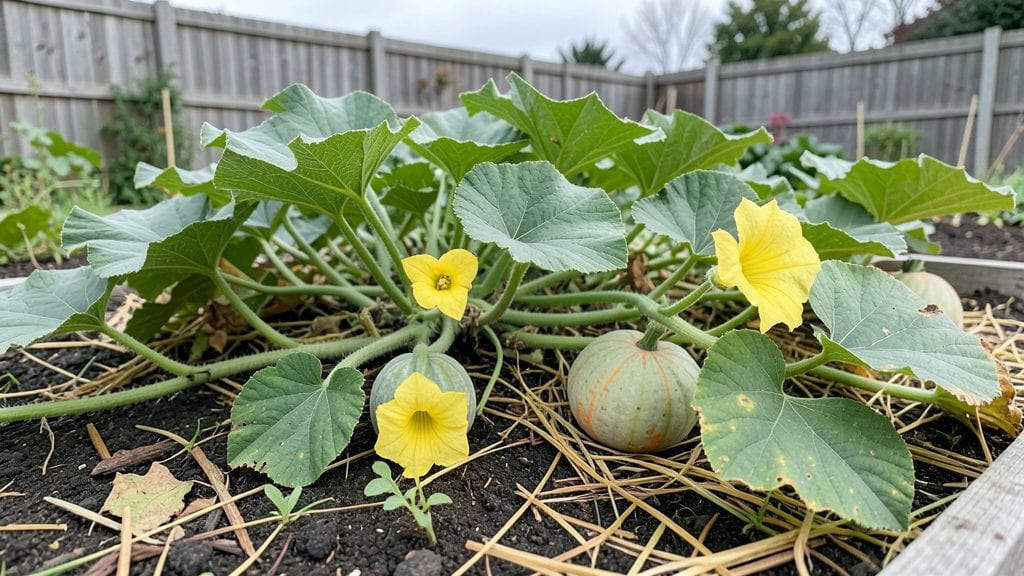
A raised garden bed for pumpkins isn't just a solution—it's a game-changer for anyone who's ever watched vines sprawl uncontrollably across their yard.
I built mine after three failed attempts with hill mounds that collapsed mid-season, and now my pumpkins thrive in a contained, productive space that actually fits my backyard. The key? Height, depth, and a design that works with those massive vines instead of against them.
You'll need a bed at least 4 feet wide and 12 inches deep—pumpkins need room to spread, but not so much that the soil stays too wet. Cedar or untreated wood lasts years and won't leach chemicals, while fabric-lined beds prevent root circling.
I swear by 6-foot-long beds for two plants, giving each one 10-12 square feet to stretch into those iconic orange giants without crowding. The right soil mix—60% compost, 30% garden soil, and 10% perlite—keeps roots happy and drainage perfect.
By midsummer, you'll have vines heavy with fruit, their broad leaves casting shade that keeps soil moisture steady. The raised edges make harvesting easier (no more bending over mud), and companion plants like nasturtiums or marigolds keep pests at bay.
Even in small spaces, this setup turns pumpkin growing from a messy experiment into a neighborhood showstopper—and yes, you can grow more than one variety in the same bed if you space them right.
Fair warning: pumpkins are heavy. If your bed isn't sturdy, add corner stakes or a second layer of wood for support. And if you're in a hot climate, mulch heavily to keep roots cool.
The payoff? A foolproof system that works whether you're growing 10-pound jack-o'-lanterns or 100-pound monsters. Let's get those beds built!
📚 In This Guide
- What you need
- Instructions
- Tips and common mistakes
- Wrapping up and next steps
What you need
- ● Raised garden bed frame: Wooden boards (cedar or redwood recommended for durability): 4 pieces, 8–12 ft long (adjust based on bed size)
- ● OR pre-made raised bed kit (minimum 4’ x 8’ for pumpkins—bigger is better!)
- ● Landscape fabric: 1 roll (5 ft wide) to block weeds and retain moisture
- ● Garden soil: 2–3 cubic yards (mix of topsoil, compost, and perlite for drainage)
- ● Pumpkin seeds: 3–5 seeds per hill (or 1–2 plants if using transplants)
- ○ Support structures (optional but helpful): Trellis or tomato cages (6–8 ft tall) for vertical growth
- ● Bamboo stakes or wire mesh for vining guidance
- ● Measuring tape
- ● Screwdriver or drill + 3-inch deck screws (for wood frames)
- ● Staple gun (for securing landscape fabric)
- ● Garden gloves & trowel
- ● Wheelbarrow (for hauling soil)
- ● Watering can or hose with spray nozzle
- ● Sunny spot: Full sun (6–8+ hours daily)—pumpkins are sun-worshippers! ☀️
- ● Level ground: Clear debris and level the area for stability
- ● Access to water: Pumpkins need 1–2 inches of water weekly
- ● Patience: Pumpkins take 75–100 days to mature (plan ahead!)
Step-by-step instructions for building a raised garden bed for pumpkins
Here’s how to create a space-efficient, high-yield pumpkin bed that keeps vines contained while maximizing growth.
Choose and Prepare the Location
Pumpkins need full sun—at least 8 hours daily—so pick a spot with no shade from trees or structures. Avoid low-lying areas where water pools, as soggy soil invites rot. I like to place my beds where they’ll catch morning sun and afternoon shade in hot climates, which prevents fruit from scorching. Clear weeds and debris from the area, then till the ground to a depth of 6 inches to loosen compacted soil.
If your soil is heavy clay or sandy, mix in 2 inches of compost now to improve drainage and fertility. Test the pH—pumpkins prefer 6.0 to 6.8. If your soil is too acidic, add lime; if too alkaline, work in sulfur. This prep step ensures roots get the right environment from day one.
Build the Raised Bed Frame
Use untreated lumber like cedar or redwood for durability, cutting 2x6 or 2x8 boards into lengths of 4 feet for width and 8 feet for length (adjust for your space). Assemble into a rectangular frame with 4-foot-wide sides—this width keeps vines from sprawling uncontrollably while allowing room for 4 pumpkin plants. Secure corners with galvanized screws and reinforce with corner braces if needed. The height should be 12 to 18 inches, which helps with drainage and reduces back strain when tending plants.
Line the bottom of the frame with cardboard to block weeds, then fill the bed 2/3 full with a mix of topsoil, compost, and aged manure (if available). I like to layer 4 inches of compost at the bottom for nutrient-rich root growth. Leave space at the top for settling—you’ll add more soil later as plants grow.
Plant Pumpkin Seeds at the Right Depth and Spacing
Sow 4 to 5 seeds per plant (they often don’t all germinate) at a depth of 1 inch, spacing them 2 feet apart in a square pattern. This gives each vine enough room to spread without competing for nutrients. Water gently after planting to settle the soil, but avoid soaking—pumpkin seeds rot if buried too deep or overwatered. Place a small stake near each seed to mark its location; pumpkin seedlings are tiny and easy to miss.
Cover the bed with black plastic mulch (cut to fit) to retain moisture and suppress weeds. Secure the edges with landscape staples or bricks. Mulch also warms the soil faster in spring, speeding up germination. You’ll see sprouts in 7 to 14 days—wait until true leaves appear (not the first tiny seed leaves) before thinning to the strongest seedling per spot.
Train Vines and Manage Growth
As vines emerge, guide them along the bed’s edges using twine or lightweight trellis supports (optional but helpful in tight spaces). Pumpkins don’t climb, but containing vines prevents them from smothering other plants. Prune side shoots that grow near the ground to direct energy upward. When vines reach the bed’s edge, let them trail along the ground—this is natural and reduces disease risk from crowded foliage.
Water deeply 2 to 3 times per week, aiming for 1 inch of water per week. Let the top 2 inches of soil dry between waterings to prevent fungal issues. Fertilize lightly with a balanced 10-10-10 formula when vines are 3 feet long, then switch to a low-nitrogen, high-phosphorus feed (like 5-10-10) once flowers appear to encourage fruit development.
Harvest and Extend the Season
Pumpkins are ready to harvest when their rinds harden and stems turn brown. Gently twist the fruit from the vine—don’t cut it—using a pruning shear if needed. Cure harvested pumpkins in a warm, dry spot (80–85°F) for 10 days to toughen the skin. For a longer harvest window, plant a second batch 4 to 6 weeks after the first to stagger ripening.
After harvest, remove dead vines and compost them (unless diseased). Refill the bed with fresh soil and compost for next year’s planting. I’ve reused the same bed for years—just top off the soil and add a fresh layer of mulch each spring.
Tips & tricks for perfect raised garden beds for pumpkins
Building a raised bed for pumpkins is all about balance—giving those vines room to thrive while keeping everything contained. Here’s how to avoid common pitfalls and maximize your harvest.
Sunlight Strategy: The 8 hours of daily sun requirement is non-negotiable, but placement matters just as much. I’ve found that positioning beds to catch morning sun and afternoon shade in hot climates prevents fruit from scorching while still giving vines the energy they need. If your location gets intense afternoon heat, consider adding a lightweight shade cloth during peak hours—especially when fruits start forming.
Soil Preparation Insight: Don’t skip the 6-inch tilling in Step 1. Compacted soil restricts root growth, and pumpkins need deep roots to support those heavy fruits. For the 2 inches of compost amendment, I recommend mixing in worm castings too—they add beneficial microbes that help roots absorb nutrients more efficiently. This extra step makes a noticeable difference in plant health and yield.
Frame Construction Tip: When building your 4-foot-wide frame, use the full 12-18 inches height—this prevents waterlogging and makes harvesting easier. I reinforce my beds with corner braces and add a small overhang on the top edges to keep rain from splashing soil out. Also, if you’re working with limited space, consider making the bed slightly narrower (3 feet) but longer—this can actually work better for pumpkin vines.
Harvesting Secret: The 10-day curing at 80-85°F is crucial for storage life, but timing matters too. I harvest in the morning when temperatures are cooler—this prevents the fruits from overheating during transport. For the 4-6 week staggered planting, I’ve had great success planting my second batch in early July to extend the season well into fall.
Pro Tips for Raised Garden Bed For Pumpkins
- Building a raised bed for pumpkins is all about balance—giving those vines room to thrive while keeping everything contained.
- Sunlight Strategy: The 8 hours of daily sun requirement is non-negotiable, but placement matters just as much.
- Soil Preparation Insight: Don’t skip the 6-inch tilling in Step 1.
Frequently asked questions
Got questions about growing pumpkins in raised beds? You’re not alone! Here are some of the most common queries—and their practical answers—to help you grow those gourds like a pro.
What’s the best soil mix for pumpkins in a raised bed?
Pumpkins thrive in well-draining, nutrient-rich soil with a pH of 6.0–6.8. Mix 60% topsoil, 30% compost, and 10% perlite or sand for aeration. Avoid heavy clay—it’ll drown those sprawling roots!
When is the ideal time to plant pumpkin seeds in a raised bed?
Wait until after the last frost and soil temps hit 70°F (21°C)—pumpkins hate cold! For warm climates, plant in late spring (April–May); cooler zones may need to start seeds indoors 2–3 weeks earlier.
How deep should a raised bed be for pumpkins?
Aim for 12–18 inches deep to accommodate pumpkin roots (they can stretch 5–6 feet!). If your bed is shallower, add extra compost to the bottom layer. Pro tip: Wider beds (4’x8’) give vines room to sprawl without crowding.
What pests should I watch for in raised pumpkin beds?
Keep an eye out for squash bugs, cucumber beetles, and powdery mildew. Use row covers early on, handpick pests, or spray neem oil. Crop rotation helps prevent repeat infestations.
Can I grow pumpkins in a raised bed without trellising?
Yes! But expect sprawling vines (up to 20 feet!). If space is tight, use a smaller variety (e.g., ‘Jack Be Little’) or let vines climb a low trellis or fence. Just ensure the bed is at least 4 feet wide for unruly growth.
Wrapping up and next steps
Growing pumpkins in a raised garden bed is a game-changer—whether you're a space-challenged urban gardener or just love the idea of tamed vines and bountiful harvests! With the right design, you can easily control soil quality, deter pests, and even enjoy a neater, more manageable growing space.
Plus, the satisfaction of watching those gourds flourish? Priceless!
Ready to dive in? Start by sketching your bed’s dimensions, gathering supplies, and picking your favorite pumpkin variety. Then, roll up your sleeves—your future harvest (and Instagram-worthy vines) are waiting! 🎃✨