Advice
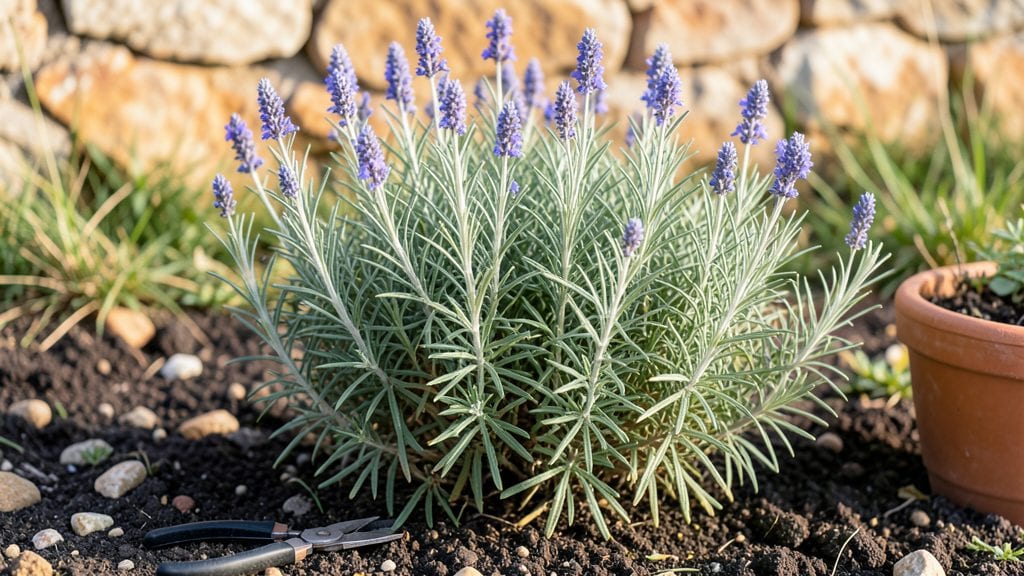
Here are some rosemary gardening tips that’ll turn even the most reluctant plant parent into a rosemary whisperer—indoors or out. 🌿 loves full sun, and rewards you with pine-scented foliage that’s perfect for cooking or just smelling good.
Start with well-draining soil—mix regular potting mix with perlite or coarse sand to keep those roots happy. A 5-gallon container works for small plants, while in-ground rosemary needs at least 18 inches of space to spread.
Water only when the top inch of soil feels dry, and never let it sit in saucers of water—root rot is rosemary’s kryptonite. Prune lightly after harvests to encourage bushier growth, and you’ll have fresh sprigs all year.
📚 In This Guide
- What you need
- Instructions
- Tips and common mistakes
- Wrapping up and next steps
What you need
- ● Rosemary plants: 1–3 nursery-grown Rosmarinus officinalis plants (choose upright or trailing varieties based on space)
- ● OR 1–2 lbs. of organic rosemary cuttings (for propagation)
- ● Soil: 5–10 gallons of well-draining potting mix (for containers) OR 1–2 cubic yards of sandy, loamy soil (for in-ground planting)
- ○ Optional: Perlite or coarse sand (1 part per 4 parts soil) to improve drainage
- ● Containers (if applicable): 1–3 5–10 gallon pots with drainage holes (terracotta or fabric pots work best)
- ○ Optional: Self-watering planters for low-maintenance care
- ● Fertilizer: Balanced 10-10-10 or 20-20-20 granular fertilizer (½ cup per plant, applied once in spring)
- ● Slow-release organic pellets (like fish emulsion) for a gentler boost
- ● Tools: Trowel or hand shovel
- ● Pruning shears (sterilized with rubbing alcohol)
- ○ Garden gloves (optional but recommended)
- ● Watering can or hose with a gentle spray nozzle
- ● A sunny spot with at least 6–8 hours of direct sunlight daily (rosemary hates shade!)
- ● Access to well-draining water (rosemary roots rot easily—avoid soggy soil!)
- ● Patience! Rosemary grows slowly but thrives with minimal fuss once established.
Step-by-Step guide to growing rosemary year-round
Here's how I keep rosemary thriving indoors or outdoors with almost no fuss.
🪴 Step 1: Choose the Right Spot for Light and Soil
Rosemary demands full sun—at least 6-8 hours daily. If growing outdoors, pick a south-facing location where it gets morning sun and afternoon warmth. Indoors, place near a south or west window where light is brightest. If natural light is weak, supplement with a grow light positioned 6 inches above the plant for 12-14 hours daily.
Use well-draining soil—rosemary hates soggy roots. Mix 1 part potting mix with 1 part perlite or coarse sand to improve drainage. I always add a handful of gravel or small stones to the bottom of the pot to prevent waterlogging. The soil should feel dry to the touch 1-2 inches down before watering again.
💧 Step 2: Water Sparingly and Prune for Shape
Water rosemary only when the soil is completely dry—this usually means every 7-10 days, depending on heat and humidity. Stick your finger 1-2 inches deep; if it feels damp, wait another day. Overwatering is the fastest way to kill rosemary. When watering, soak the soil until it drains freely from the bottom, then empty the saucer to prevent root rot.
Prune lightly to encourage bushiness. Trim back 1/3 of the plant in early spring and again after harvest. Use clean, sharp scissors to cut just above a leaf node. This prevents woody stems and keeps the plant compact. I always prune after watering so the cuts heal faster.
☀️ Step 3: Protect from Frost and Pests
Rosemary is hardy but can't handle frost. If temperatures drop below 20°F, move potted plants indoors to a bright, cool spot. If outdoors, mulch heavily around the base to insulate roots. In summer, watch for spider mites—tiny webs on leaves mean it's time to spray with water or neem oil. I check leaves weekly during dry spells.
Fertilize lightly in spring with a balanced, water-soluble fertilizer diluted to half strength. Too much nitrogen makes rosemary grow soft and floppy instead of woody. I skip fertilizer in winter when growth slows. The key is patience—rosemary grows slowly but rewards you with fragrant, resilient foliage.
✂️ Step 4: Harvest and Propagate for More Plants
Harvest sprigs anytime the plant is actively growing. Snip just above a leaf node to encourage new growth. Use fresh rosemary in cooking or dry it by tying stems in bundles and hanging upside down in a dark, dry place for 2-3 weeks. The leaves will crisp and turn brown—this means they're ready.
To propagate, cut 4-inch stems just below a leaf node. Strip the lower leaves and place the cut end in moist sand or perlite. Keep it in bright, indirect light until roots form—usually 3-4 weeks. Once rooted, transplant into soil and treat like a mature plant. This is how I get free rosemary plants for friends!
Tips & tricks for perfect rosemary growth
Here's what I've learned after years of keeping rosemary thriving—these tricks make all the difference between a struggling plant and a fragrant, resilient bush.
The Light Factor: If you're supplementing with grow lights, position them just 6 inches above the plant and keep them on for the full 12-14 hours daily mentioned in Step 1. I use a timer to automate this—rosemary needs consistency. In winter, you might need to move plants closer to the window or increase grow light time to maintain that 6-8 hours of daily light requirement.
Soil Secret: That gravel or small stones at the bottom of the pot in Step 1 aren't just decoration—they're essential. I've seen rosemary plants die from waterlogged roots when people skip this step. For extra insurance, add a layer of 1 inch of gravel before the soil mix to create a drainage barrier that prevents soggy roots.
Watering Wisdom: The 1-2 inch dry soil test from Step 2 is your best friend. I've ruined rosemary plants by watering on schedule rather than checking moisture. In summer heat, you might water every 5-7 days, while winter could stretch that to 10-14 days. Always empty that saucer—root rot is silent but deadly.
Frost Protection: When temperatures drop below 20°F, don't just move plants indoors—give them a transition period. I place them in a sheltered spot (like a garage with a window) for a day before bringing them inside. This helps prevent shock. And if you're growing outdoors in colder climates, consider using a lightweight frost cloth for protection instead of moving pots.
Pro Tips for Rosemary Gardening Tips
- Here's what I've learned after years of keeping rosemary thriving—these tricks make all the difference between a stru...
- The Light Factor: If you're supplementing with grow lights, position them just 6 inches above the plant and keep them...
- Soil Secret: That gravel or small stones at the bottom of the pot in Step 1 aren't just decoration—they're essential....
Frequently asked questions
Got rosemary questions? You’re not alone—this fragrant herb can be tricky for beginners! Here are answers to the most common queries to help you grow lush, healthy rosemary with confidence.
Can rosemary survive winter outdoors?
In USDA Zones 7-10, rosemary thrives year-round outdoors. For colder climates (Zones 5-6), plant it in a protected spot or bring pots indoors before frost. Mulch the base to insulate roots. Pro tip: Prune back by 1/3 in early spring to encourage new growth.
How often should I water rosemary?
Rosemary hates soggy soil—water only when the top 1-2 inches are dry (about once a week in summer, less in winter). Overwatering causes root rot. Use well-draining soil and a pot with drainage holes if container-grown. Troubleshoot: Yellowing leaves? You’re likely overwatering.
Why is my rosemary turning brown or crispy?
Brown tips usually mean underwatering or low humidity. Check soil moisture and group plants together to boost humidity. If leaves are yellowing, it’s often overwatering. Leggy or sparse growth? Move to a sunnier spot—rosemary craves 6+ hours of direct sunlight daily.
Can I grow rosemary in containers?
Rosemary loves containers—just use a pot at least 12 inches deep with drainage. Opt for terracotta or fabric pots to prevent root rot. Mix in perlite or sand for extra drainage. Bonus: Container-grown rosemary is easier to move indoors in winter.
What can I substitute for rosemary if I don’t have any?
Need a pinch of rosemary in a recipe? Try thyme, oregano, or marjoram for a similar earthy flavor. For a pine-like aroma, use basil or bay leaves. In cooking, a splash of lemon zest or white wine can mimic rosemary’s brightness. Note: Substitutes won’t be identical, but they’ll save your dish!
Wrapping up and next steps
Growing rosemary is simpler than you think—just a little sun, well-draining soil, and a dash of patience! With these rosemary gardening tips, you’ll enjoy lush, fragrant plants year-round, whether in pots or your garden. 🌿✨
Ready to take the next step? Start small—plant a single rosemary today and watch it thrive. Then, share your green thumb success or experiment with new varieties. Happy growing!