
Tools
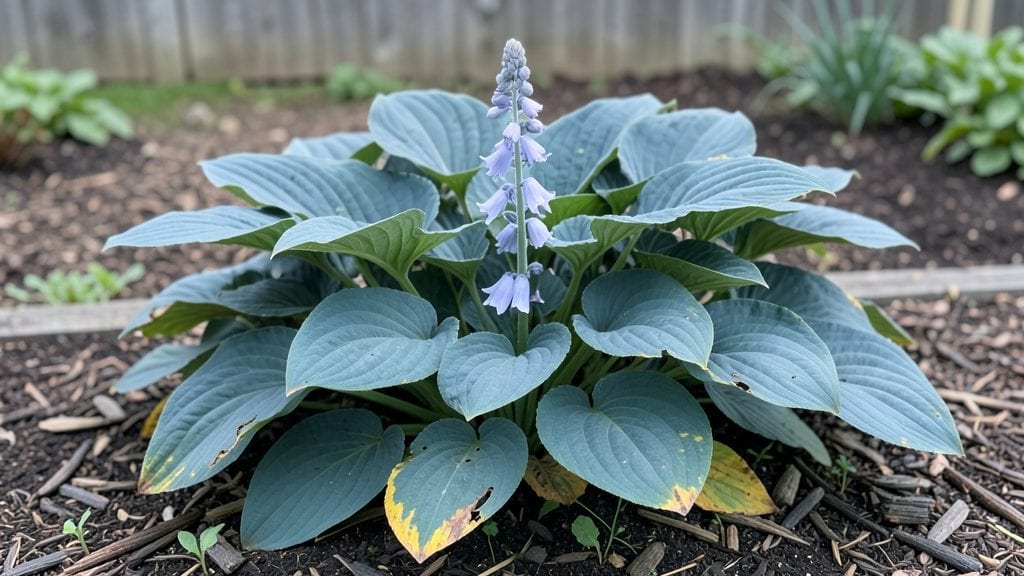
A shaded flower garden doesn't mean giving up on color—it means choosing plants that thrive where others fade. 🌿 I designed mine under a mature oak, and now it bursts with blooms from spring through frost, with almost no effort.
The secret isn't complicated soil science; it's matching the right plants to the light they actually get.
Start with a mix of hostas for lush foliage, impatiens for bright pops of color, and ferns for delicate texture. Layer them so taller plants don't block light from shorter ones—think of it like a living shade cloth.
A 3-inch layer of compost in the soil keeps roots happy without needing fancy amendments, and mulch keeps weeds at bay.
By summer, you'll have a garden that feels alive even in dappled shade—deep greens, jewel-toned blooms, and textures that catch the light just right. The best part? These plants need watering once a week at most, and they spread over time, reducing work each year.
Works in wooded backyards, courtyard patios, or even under deck overhangs. The only rule is to avoid sun-loving annuals—everything else is fair game. Let's bring that understory to life!
📚 In This Guide
- What you need
- Instructions
- Tips and common mistakes
- Wrapping up and next steps
What you need
- ● Soil amendments: Compost (2–3 cubic yards for a 10’x10’ area)
- ● Peat moss or coconut coir (5–10 bags, 2–3 cubic feet each)
- ● Perlite or vermiculite (1–2 bags, for drainage)
- ● Mulch: Shredded bark or wood chips (3–4 bags, 2–3 cubic feet each)
- ○ Optional: Pine straw for acid-loving plants
- ● Plants (shade-tolerant varieties): Hostas (10–15 plants, varying sizes)
- ● Hydrangeas (2–4 plants, for bold color)
- ● Ferns (5–10 plants, for texture)
- ● Bleeding heart (3–5 plants, for spring blooms)
- ● Heuchera (5–8 plants, for foliage contrast)
- ● Astilbe (3–5 plants, for summer fluff)
- ● Tools: Garden trowel (for transplanting)
- ● Pruning shears (bypass type, for clean cuts)
- ● Garden gloves (1–2 pairs, for comfort)
- ● Wheelbarrow or garden cart (for hauling materials)
- ● Measuring tape (25-foot)
- ● Watering can or hose with adjustable nozzle
- ● Prerequisites: Tested soil pH (aim for 5.5–6.5 for most shade plants)
- ● Clear space (remove weeds, rocks, or debris)
- ● Access to water (or a soaker hose for drip irrigation)
- ● Garden stakes or labels (for plant identification)
- ● Slow-release fertilizer (10–20 lb bag, for seasonal feeding)
- ● Decorative stones or stepping stones (for pathways)
- ● Drip irrigation kit (for automated watering)
- ● Birdbath or small fountain (for wildlife appeal)
- ● Solar-powered garden lights (for evening ambiance)
How to design a thriving shaded flower garden
Here’s my go-to approach for creating a lush, low-maintenance shaded garden that blooms reliably all year.
🌱 Step 1: Choose the Right Plants for Your Shade Level
First, assess your shade—is it dappled sunlight (filtering light through trees) or deep shade (little to no direct sun)? For dappled areas, I recommend bleeding heart, astilbe, and foxglove—they tolerate some light but still thrive. In deep shade, go for hostas, ferns, and impatiens, which need minimal sun to flourish.
I always group plants by their light needs to avoid competition. For example, place heuchera near the edge of shade where it gets a few hours of morning sun, while tiarella stays deeper under the canopy. This ensures every plant gets exactly what it needs without fighting for resources.
🪴 Step 2: Prepare the Soil for Moisture-Retentive Growth
Shaded gardens stay damp longer, so amend the soil with 2-3 inches of compost to improve drainage and nutrient retention. I mix in a handful of perlite per square foot to prevent soggy roots—this is key for preventing root rot in shade-loving plants. Work the amendments into the top 6 inches of soil for best results.
Test the soil’s moisture by squeezing a handful—it should hold together but not feel sticky. If it’s too dense, add more organic matter. A well-prepared bed means less watering and healthier roots, which translates to more blooms.
☀️ Step 3: Arrange Plants by Height and Seasonal Interest
Start with taller plants (like astilbe or ligularia) at the back, then add medium-height foliage (heuchera or hostas) in the middle, and fill the front with low-growing bloomers (impatiens or ajuga). This creates layers that catch light and draw the eye. I always include at least one evergreen (like sweet woodruff or Japanese painted fern) to provide year-round structure.
For seasonal color, I mix spring bloomers (like bleeding heart), summer performers (astilbe), and fall/winter interest (heuchera with burgundy foliage). This ensures your garden never looks bare, even when some plants fade.
💧 Step 4: Water Deeply and Mulch to Retain Moisture
Water deeply once a week (or more in extreme heat) to encourage strong root growth. I use a soaker hose to deliver water slowly at the base of plants—this prevents fungal diseases that thrive in damp foliage. Water in the early morning so leaves dry quickly, reducing the risk of mildew.
Spread 2-3 inches of mulch (like shredded bark or pine needles) over the soil to lock in moisture and suppress weeds. Keep mulch 2 inches away from plant stems to avoid rot. Over time, the mulch breaks down, feeding the soil naturally—no extra work needed.
✂️ Step 5: Prune and Maintain for Continuous Blooms
Deadhead spent blooms regularly to encourage more flowers, especially on impatiens and astilbe. I also trim back overgrown foliage in early spring to make room for new growth. For hostas and heuchera, I remove any yellow or damaged leaves as soon as I spot them—this keeps the garden looking tidy and disease-free.
Fertilize lightly in spring with a balanced, slow-release fertilizer (like 10-10-10) to support steady growth. Too much fertilizer can lead to lush foliage but fewer blooms, so I stick to half the recommended dose for shade plants. A little goes a long way.
Tips & tricks for perfect shaded flower garden design
A few strategic moves will transform your shaded garden from ordinary to extraordinary—here's what I've learned after years of trial and error.
Plant Placement Matters: In Step 1, when assessing your shade levels, pay special attention to the eastern edge of your garden area. Morning sun there creates the perfect microclimate for heuchera and hostas—they'll get just enough light to thrive without scorching. I've seen bleeding heart plants struggle in deep shade, so position them where they get those few critical hours of morning sunlight. This simple adjustment can double your success rate with these shade-loving stars.
Soil Science Secret: When you're amending the soil in Step 2, don't stop at just compost and perlite. I add a thin layer of coarse sand (about ½ inch) mixed into the bottom of my planting holes. This creates a little drainage layer that prevents water from pooling around roots—especially important for impatiens and ferns that hate soggy feet. The perlite helps with aeration, but that extra sand layer makes all the difference in preventing root rot.
Layering Like a Pro: For Step 3's height arrangement, think of it like building a stage—your tallest plants should be at the "back" (farthest from the house), medium in the middle, and low growers at the front. But here's the trick: leave 6-8 inches of space between each layer. This creates those beautiful cascading effects where astilbe spills over heuchera, which in turn frames ajuga at the front. I've seen gardens where plants are crowded together, and it looks messy—this spacing creates that "designed" look.
Watering Wisdom: That once-a-week watering in Step 4 works perfectly, but here's what I do differently: I water every other week in fall and winter unless we've had consistent rain. Shade plants actually prefer slightly drier conditions in cooler months. And when using your soaker hose, let it run for 20-30 minutes per zone—this ensures water penetrates deep enough to reach those established roots. The early morning timing is crucial for preventing fungal issues, but I also water in the late afternoon during heatwaves to give plants a moisture boost.
Pro Tips for Shaded Flower Garden
- A few strategic moves will transform your shaded garden from ordinary to extraordinary—here's what I've learned after years of trial and error.
- Plant Placement Matters: In Step 1, when assessing your shade levels, pay special attention to the eastern edge of your garden area.
- Soil Science Secret: When you're amending the soil in Step 2, don't stop at just compost and perlite.
Frequently asked questions
Got questions about creating a thriving shaded flower garden?
Here are answers to the most common concerns—from sunlight struggles to seasonal care—so you can relax and enjoy your blooms all year!
What are the best low-light flowers for a shaded garden?
Opt for hostas, heucheras, impatiens, bleeding hearts, and astilbes—they thrive in dappled or full shade. For year-round color, add heather (evergreen) and winter aconite (early blooms). Pro tip: Mix perennials with annuals like fuchsias for continuous bursts of color!
When is the best time to plant a shaded flower garden?
Spring (after last frost) or early fall (6–8 weeks before first frost) are ideal. Why? Cooler temps reduce stress on roots, and plants establish before extreme heat or cold. Exception: Bulbs like daffodils or tulips (tolerant of shade) can go in fall for spring blooms.
How often should I water shaded flowers?
Water deeply 1–2 times per week (more in extreme heat or sandy soil). Shade slows evaporation, but container plants dry out faster. Test soil: Stick your finger 1–2 inches down—if dry, it’s time to water. Morning watering prevents fungal issues.
Can I still get flowers in deep shade (no direct sunlight)?
Focus on foliage-first plants like ferns, caladiums, or Japanese painted ferns, paired with shade-tolerant bloomers like liriope or foamflower. Light tip: Use reflective mulch or nearby mirrors to bounce indirect light onto plants.
How do I keep pests away from my shaded garden?
Prevent pests with healthy soil (compost + mulch) and neem oil sprays for aphids/slugs. Slug deterrents: Copper tape around pots or diatomaceous earth. Encourage predators: Ladybugs and birds love shaded gardens!
Will my shaded flowers survive winter?
Most perennials (e.g., hostas, heucheras) are hardy but may need mulch (3–4 inches) for insulation. Tender plants? Dig up tropicals (like caladiums) and store bulbs indoors. Evergreens (e.g., heather) add winter structure too!
Wrapping up and next steps
A shaded flower garden isn’t just possible—it’s a thriving, low-maintenance dream that brings year-round color to even the trickiest spots in your yard. 🌿 With the right perennials, annuals, and shade-loving plants, you can create a lush, vibrant space that requires minimal effort while maximizing beauty.
Whether you’re a seasoned gardener or just starting out, this approachable guide gives you the tools to transform dull corners into a flourishing oasis.
Now that you’re armed with plant picks, design tips, and care hacks, it’s time to roll up your sleeves! Start small—pick one corner or a single container—and let your shaded garden grow.
Before you know it, you’ll be the neighbor with the greenest (and happiest) thumb in the block!