Shrubs
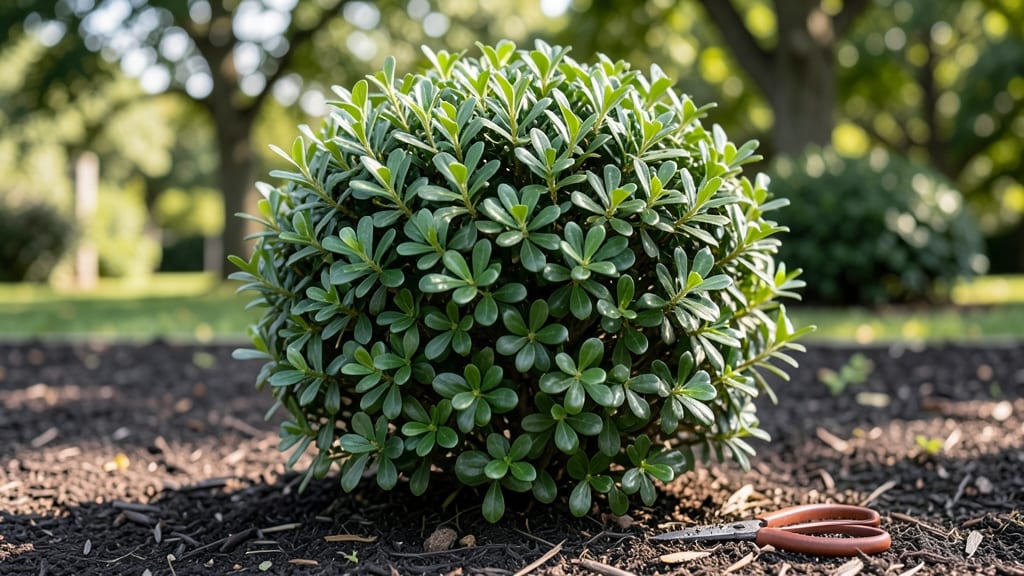
Small gardens need shrubs that deliver big impact without sprawling everywhere. I’ve designed my own backyard with just a 6x8-foot space, using compact shrubs that create privacy, structure, and year-round interest—no overgrowth or constant pruning required.
The key is choosing varieties that stay proportional, like Dwarf Fothergilla or Little Gem Magnolia, which pack dense foliage into tight spaces while offering seasonal color shifts.
Layering is everything in small gardens—tall shrubs like Emerald Green Arborvitae (3-4 feet) anchor the back, mid-height Boxwoods (2-3 feet) add texture in the middle, and low Creeping Juniper (1 foot) spill over edges for softness.
This vertical approach maximizes every square foot while keeping sightlines open and air flowing, which shrubs actually prefer. I’ve even tucked in Dwarf Lilacs for spring fragrance without sacrificing space for a full-size bush.
What you’ll love most is how these shrubs transform a cramped area into a lush, structured oasis with minimal upkeep. No more wrestling with unruly growth—just vibrant greenery that thrives on neglect.
The best part? They’ll outlast seasonal plants, providing year-round privacy and a polished look that makes small spaces feel intentional. Ready to see how it works in your own yard?
Works for urban balconies, courtyard gardens, or tight backyard corners—just adjust spacing based on mature size. The same principles apply whether you’re filling a corner or lining a narrow walkway. Let’s get those shrubs placed where they’ll shine.
📚 In This Guide
- What you need
- Instructions
- Tips and common mistakes
- Wrapping up and next steps
What you need
- ● Shrubs (3–5 plants per 100 sq. ft.) – Choose compact, slow-growing varieties like: Dwarf Boxwood (Buxus microphylla) – 1–3 ft. tall
- ● Dwarf Lilac (Syringa meyeri) – 3–5 ft. tall
- ● Dwarf Fothergilla (Fothergilla gardenii) – 3–4 ft. tall
- ● Dwarf Holly (Ilex crenata) – 2–4 ft. tall
- ● Dwarf Ninebark (Physocarpus opulifolius 'Little Devil') – 3–4 ft. tall
- ● Potting soil or garden soil – 1–2 bags (2–3 cubic feet each) for planting
- ● Compost or organic fertilizer – 1 bag (for nutrient boost)
- ● Mulch (pine bark or shredded leaves) – 2–3 bags (to retain moisture)
- ● Pruning shears – Sharp, bypass-style for clean cuts
- ● Gloves (gardening) – 1 pair (for comfort and protection)
- ● Watering can or hose with a gentle nozzle – For deep watering
- ● Measuring tape – To plan spacing (aim for 2–4 ft. apart, depending on shrub)
- ● Edging tools – For clean garden borders
- ● Decorative stones or gravel – To enhance aesthetics
- ● Slow-release fertilizer spikes – For long-term nourishment
- ● Plant supports (stakes or cages) – For taller shrubs
- ● Drip irrigation system – For hands-off watering
- ● Garden kneeler or stool – For comfort during planting
- ● ✅ Sunlight assessment – Know your garden’s light conditions (full sun, partial shade, or full shade) to pick the right shrubs.
- ● ✅ Soil test – Check pH (most shrubs prefer 6.0–7.0) and amend if needed.
- ● 💡 Pro Tip: Start with odd-numbered groupings (3 or 5 plants) for a natural, balanced look!
- ● 🌡️ Best planting time: Early spring or fall (avoid extreme heat or frost).
How to select and plant shrubs for small gardens
Here’s how I choose low-maintenance shrubs that deliver privacy and structure without overwhelming your space.
Choose Compact, Multi-Season Shrubs
For small gardens, prioritize shrubs that stay under 4 feet tall at maturity while offering year-round interest. Boxwoods (Buxus sempervirens) and dwarf lilacs (Syringa meyeri) are my top picks—they provide dense foliage, fragrant blooms, and hold their shape without pruning. Always check the plant tag for mature height and spread to avoid surprises.
Look for shrubs with layered growth habits—like the tiered branches of abelia (Abelia x grandiflora)—to create visual depth in tight spaces. I avoid fast-growing shrubs like privet, which can outpace a small garden’s boundaries within a few years. Instead, opt for slow-to-moderate growers that stay manageable.
Plan for Sunlight and Soil Conditions
Before planting, map your garden’s sunlight patterns. Most small-garden shrubs thrive in full sun to partial shade (6+ hours of light daily), but some—like hydrangeas (Hydrangea macrophylla)—prefer morning sun and afternoon shade to prevent leaf scorch. Use a garden stake to mark potential planting spots and observe how sunlight shifts throughout the day.
Amend your soil with 2-3 inches of compost mixed into the top 12 inches of soil before planting. Shrubs in small gardens often struggle with poor drainage or compacted soil, so I always test moisture retention by pressing a trowel into the ground—if it feels hard, add organic matter to improve aeration.
Dig Holes and Plant at the Right Depth
Dig holes twice as wide as the root ball but no deeper than the container’s depth. This prevents stem burial, which can suffocate the plant and invite rot. Gently remove the shrub from its container and loosen any circling roots with your fingers—this encourages outward growth instead of a tangled mass.
Place the shrub in the hole so the top of the root ball sits level with the surrounding soil. Fill the hole with native soil, pressing lightly to eliminate air pockets. Water deeply to settle the soil and eliminate gaps. I always add a 1-inch layer of mulch (like shredded bark) around the base, keeping it 3 inches away from the stem to prevent moisture buildup.
Space for Airflow and Future Growth
Follow the planting diagram on the tag for spacing, but adjust for your garden’s scale. In small spaces, I often plant shrubs 12-18 inches apart to create a dense hedge quickly, but leave 2 feet between rows for airflow and easy maintenance. Poor circulation invites fungal diseases like powdery mildew, which can ruin a shrub’s appearance.
After planting, water deeply once a week for the first 4-6 weeks to encourage root establishment. You’ll know the roots are settling when the soil around the base stays moist 2 inches down—use your finger to check. Avoid overhead watering, which can spread soil-borne diseases to young plants.
Prune for Shape and Health
Prune new shrubs lightly in early spring to remove dead or crossing branches. Use clean, sharp pruners and cut just above a leaf bud or outward-facing branch to encourage bushier growth. I avoid heavy pruning in the first year—it stresses young plants and can delay flowering.
For structured hedges, shape plants gradually over 2-3 years to avoid shocking the shrub. Prune after flowering for spring-blooming shrubs (like lilacs) and before buds swell for summer-bloomers (like abelia). Always step back and check your work—uneven cuts will show as the shrub matures.
Tips & tricks for perfectly planned small garden shrubs
These essential insights will help you transform tight spaces into lush, functional garden areas without the common pitfalls that turn small gardens into maintenance nightmares.
Plant Selection Strategy: When choosing shrubs for small gardens, prioritize those with compact growth habits and multi-season interest. Boxwoods and dwarf lilacs are excellent choices because they maintain their shape without requiring constant pruning, which is crucial in limited spaces. I recommend looking for plants labeled as "slow-growing" or "moderate" on the tag—these will stay within your garden's boundaries for years. The layered growth of abelia creates natural visual interest without taking up excessive space, making it ideal for creating depth in tight areas.
Soil Preparation Insight: The 2-3 inches of compost mixed into the top 12 inches of soil isn't just about nutrients—it's about creating the perfect growing environment for your shrubs. Compacted soil is a silent killer of small garden plants, so I always perform the "trowel test" before planting: press a trowel into the ground. If it meets resistance, your soil needs more organic matter. This preparation is especially critical for small gardens where drainage issues can quickly turn into plant health problems.
Planting Depth Technique: Getting the planting depth right is more important than most gardeners realize. The top of the root ball should sit level with the surrounding soil—never buried deeper than the container's depth. I've seen many gardeners accidentally bury stems, which leads to rot and poor growth. After planting, I always press lightly around the base to eliminate air pockets, then water deeply to encourage roots to spread outward rather than circling the root ball. This simple step makes a huge difference in long-term plant health.
Pruning Timeline: Timing is everything when it comes to pruning. For spring-blooming shrubs like lilacs, I always prune after flowering to preserve next year's blooms. With summer-bloomers like abelia, prune before buds swell in early spring. The key is to avoid heavy pruning in the first year—new plants need all their energy focused on root establishment. I find that stepping back and visually checking my cuts helps me maintain a natural shape that will look good as the plant matures.
Pro Tips for Shrubs Small Garden
- These essential insights will help you transform tight spaces into lush, functional garden areas without the common p...
- Plant Selection Strategy: When choosing shrubs for small gardens, prioritize those with compact growth habits and mul...
- Soil Preparation Insight: The 2-3 inches of compost mixed into the top 12 inches of soil isn't just about nutrients—i...
Frequently asked questions
Got questions about shrubs for small gardens? You’re not alone! Here are answers to the most common concerns—from planting tips to troubleshooting—so you can create a lush, low-maintenance space with confidence.
What are the best fast-growing shrubs for quick privacy in a small garden?
For rapid growth, opt for Bamboo (e.g., Fargesia), Russian Olive, or Privet. These can grow 3–6 feet per year! Just ensure they fit your space—some spread aggressively. Pro tip: Check local regulations, as invasives like bamboo may be restricted.
When is the best time to plant shrubs in a small garden?
Plant in early spring or fall (4–6 weeks before frost) for ideal root establishment. Avoid summer heat or winter cold. Evergreens (like Boxwood) can handle cooler temps, but tender shrubs (e.g., Hydrangeas) need milder conditions. Water deeply after planting!
How often should I water small shrubs in a garden?
Newly planted shrubs need 1–2 inches of water weekly (deep soaks, not frequent light sprinkles). Once established (after 1–2 years), most shrubs tolerate drought—just monitor soil dryness. Mulch (2–3 inches) helps retain moisture and suppress weeds.
Can I use shrubs to replace a fence in a small garden?
Dense shrubs like Holly, Arborvitae, or Loropetalum create natural privacy. Space them 3–5 feet apart for a tight screen. For height, mix taller shrubs (6–10 ft) with shorter ones (2–3 ft). Prune annually to maintain shape!
Why are my small garden shrubs losing leaves or turning yellow?
Yellowing leaves often signal overwatering, underwatering, or nutrient deficiencies. Check soil moisture and adjust. Fungal diseases (like powdery mildew) or pests (aphids, spider mites) can also cause issues. Solution: Prune affected areas, improve drainage, and apply organic fertilizer if needed.
Are there any shrubs that thrive in full shade for small gardens?
Yes! Try Dwarf Fothergilla, Inkberry Holly, or Japanese Pieris. These handle 2–4 hours of sunlight daily and add year-round interest. Pair with Heuchera (coral bells) for color contrast. Bonus: Most require minimal pruning!
How do I keep shrubs tidy without sacrificing their natural look?
Use selective pruning in late winter/early spring to remove dead or crossing branches. For a relaxed vibe, avoid shearing—instead, shape with hand pruners. Pro tip: Prune after flowering (except for spring-bloomers like Lilacs) to encourage new growth.
Wrapping up and next steps
Transforming your small garden into a lush, private retreat is easier than you think! With the right shrubs for small gardens, you can enjoy year-round privacy and structure without the hassle of high maintenance.
From evergreens to flowering varieties, these plants offer beauty, function, and resilience—perfect for cozying up your outdoor space.
Ready to take the next step? Start small: pick 1-2 shrubs that fit your vision, sketch a simple layout, and dive in! Whether you’re a gardening pro or a beginner, every green thumb starts with a single plant. Happy planting! 🌿