
Vegetables
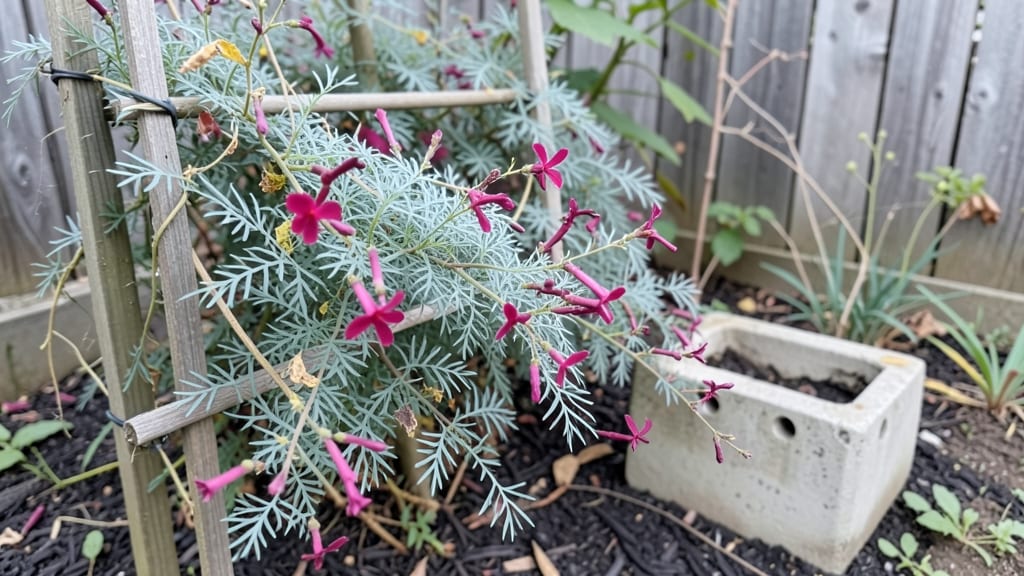
Singapore’s Changi Airport gardens prove you don’t need a backyard to grow a jaw-dropping tropical display. ✨ What started as a simple green space has become a world-famous canopy of year-round blooms, where every corner feels like a postcard.
The secret lies in layering plants by height, color, and bloom season—creating a living tapestry that never fades.
These gardens use a mix of native tropical plants like hibiscus, frangipani, and orchids alongside hardy annuals that thrive in the humid climate. The layout follows a "forest floor to treetop" approach, with ground covers, shrubs, and towering palms framing walkways.
Most importantly, they’re designed for low maintenance—drip irrigation and drought-tolerant species keep everything lush without constant upkeep.
What makes them special isn’t just the beauty, but how they adapt to urban constraints. Tall structures support climbing vines, while reflective pools and carefully placed lighting extend the garden’s magic into evening hours.
You’ll leave feeling inspired to bring even a fraction of this magic to your own space—whether it’s a balcony, courtyard, or small yard.
Here’s how to borrow their best tricks: start with a vertical focus, prioritize plants that love heat and humidity, and let layers create depth. The result? A garden that feels alive all year, no matter where you are.
📚 In This Guide
- What you need
- Instructions
- Tips and common mistakes
- Wrapping up and next steps
What you need
- ● Tropical Plants (Year-Round Bloomers): Heliconia (5–10 plants) – Bold, banana-like flowers in vibrant colors.
- ● Bird of Paradise (3–5 plants) – Dramatic orange-and-blue blooms.
- ● Ixora (10–15 shrubs) – Compact, bushy plants with clusters of small flowers.
- ● Bromeliads (12–20 plants) – Low-maintenance, colorful foliage and flowers.
- ● Orchids (Dendrobium or Vanda, 8–12 plants) – Elegant, long-lasting blooms.
- ● Soil & Mulch: Well-draining tropical potting mix (5–10 bags, 40L each).
- ● Organic mulch (e.g., pine bark or coconut coir, 2–3 bags).
- ● Support Structures: Bamboo stakes or trellises (3–5 units, 6–8 ft tall).
- ○ Coconut fiber or moss (for humidity retention, optional).
- ● Gardening gloves (1 pair).
- ● Trowel or hand shovel (for planting).
- ● Pruning shears (sharp, for trimming).
- ● Watering can or hose with a gentle spray nozzle.
- ○ pH testing kit (optional, to monitor soil acidity).
- ● Location: Partial shade to dappled sunlight (mimicking Singapore’s climate).
- ● Water Access: Consistent moisture (tropical plants thrive with daily watering in dry climates).
- ● Humidity: Use a humidifier or misting system if your climate is dry (💡 Pro Tip: Group plants closely to create a microclimate!).
- ● Fertilizer: Slow-release tropical plant fertilizer (apply every 2–3 months).
Instructions for creating a tropical canopy layout inspired by Singapore airport gardens
Here's how to design a lush, year-round blooming tropical canopy—just like the iconic Singapore Airport Gardens.
🌿 Step 1: Plan Your Canopy Layers for Year-Round Color
Start by sketching your space with three key layers: tall structural plants (12-15 feet), mid-height bloomers (6-10 feet), and trailing ground cover (under 3 feet). Singapore’s gardens use Heliconia, Bird of Paradise, and Ginger Lily for drama, so I recommend those as your tall anchors. Place them at the back or edges to create depth.
For mid-height, mix Bromeliads, Orchids, and Plumeria—these bloom in different seasons. I like to stagger their flowering cycles so you always have color. Use a spray bottle to mist foliage daily, keeping humidity above 70% for tropical plants to thrive.
☀️ Step 2: Position for Bright, Indirect Light
Singapore’s gardens thrive in bright, filtered light—never harsh sun. Place your canopy under a large shade cloth (50-60%) or near a south-facing window with sheer curtains. If outdoors, use dappled sunlight from nearby trees. You’ll notice leaves yellowing if light is too intense, so adjust placement until foliage stays vibrant.
For indoor setups, supplement with a grow light (12-14 hours/day) positioned 18-24 inches above the plants. Move it closer as plants grow to maintain even light exposure. I test light levels by holding my hand under the bulb—if it feels warm but not scorching, the intensity is just right.
💧 Step 3: Establish a Consistent Watering Routine
Tropical canopies need even moisture—never let soil dry out completely. Water deeply every 2-3 days until water drains from the bottom of the pot. Use room-temperature water to avoid shocking roots. I like to water in the early morning so foliage dries before evening, reducing fungal risks.
Check soil moisture by sticking your finger 1 inch deep—if it feels dry, water again. Overwatering is the biggest mistake; you’ll see yellowing leaves or wilting as warning signs. For larger setups, use a self-watering planter to maintain consistency without guesswork.
✂️ Step 4: Prune and Fertilize for Continuous Blooms
Deadhead spent blooms weekly to encourage new flowers. For Heliconia and Bird of Paradise, trim stalks 2 inches above the base after flowering. I fertilize every 4-6 weeks with a balanced tropical plant food (10-10-10 ratio) during growing seasons. Reduce feeding in winter when growth slows.
Rotate pots quarter-turn weekly so all sides get equal light. This prevents leggy growth and keeps your canopy full and symmetrical. Watch for pests like spider mites—spray with neem oil at the first sign of webbing or tiny dots on leaves.
🪴 Step 5: Maintain Humidity and Airflow
Place a humidifier nearby or group plants together to create a microclimate. For outdoor setups, use bamboo stakes and sheer fabric to shield from wind while allowing airflow. Stagnant air leads to mold, so I gently fan plants daily with a handheld fan on low setting.
Monitor temperature—most tropicals thrive at 70-85°F. If your space dips below 65°F, move plants to a warmer spot or use a space heater with a thermostat. You’ll see new growth slow or leaves drop if conditions are too cool.
Tips & tricks for creating a tropical canopy layout
Here's what I've learned from trying to recreate Singapore's iconic tropical gardens at home—these tricks will help you avoid common pitfalls and create a thriving canopy.
Layering Like a Pro: I can't stress enough how important those three layers are. Start with your tallest plants—like Heliconia and Bird of Paradise—at the back or edges to create that dramatic vertical effect Singapore's gardens are known for. The mid-height plants should be placed slightly forward to frame your taller specimens, and the trailing ground cover completes the lush look. Think of it like a stage production where each layer has its own spotlight moment.
Lighting Secrets: That 12-14 hours of grow light is non-negotiable for indoor setups. I've found that positioning the light 18-24 inches above your plants creates the perfect balance—close enough for strong growth but far enough to prevent scorching. Pro tip: If you notice leaves turning yellow, you're either getting too much direct sun or not enough light. Move your plants gradually to find that sweet spot of bright, filtered light.
Watering Wisdom: The 2-3 day watering schedule works perfectly when you use room-temperature water and water deeply until it drains from the bottom. I've ruined several setups by overwatering—trust me, yellowing leaves and wilting are your first warning signs. For larger setups, invest in self-watering planters. They're a game-changer for maintaining that consistent moisture tropical plants crave without the guesswork.
Temperature Troubleshooting: Most tropical plants thrive between 70-85°F, but if you notice growth slowing or leaves dropping when your space dips below 65°F, it's time to act. I keep a small space heater with a thermostat near my indoor canopy during cooler months. It's a small investment that makes a huge difference in keeping your tropical plants happy year-round.
Pro Tips for Singapore Airport Gardens
- Here's what I've learned from trying to recreate Singapore's iconic tropical gardens at home—these tricks will help you avoid common pitfalls and create a thriving canopy.
- Layering Like a Pro: I can't stress enough how important those three layers are.
- Lighting Secrets: That 12-14 hours of grow light is non-negotiable for indoor setups.
Frequently asked questions
about Singapore Airport Gardens’ tropical canopy layouts and year-round blooms.Can I visit Singapore Airport Gardens for free?
The gardens are not open to the public for free visits—they’re primarily designed for travelers transiting through Changi Airport. However, you can enjoy them during layovers, and some areas are visible from the airport’s public spaces. For a full experience, consider the Changi Jewel Forest Valley (paid entry).
What’s the best time to see blooms in the gardens?
Singapore’s tropical climate means blooms year-round, but peak seasons are February–April (orchids) and November–January (bougainvillea, frangipani). Morning visits (6–9 AM) offer cooler temps and vibrant colors. Rain showers won’t dampen the view—canopy gardens thrive in humidity!
Are the gardens wheelchair-accessible?
Yes! The main pathways in Changi Airport Gardens are smooth and wide, with tactile paving for visibility. Wheelchair users can access key spots like the Butterfly Garden and Sunflower Garden. For Changi Jewel’s indoor gardens, elevators and ramps are available. Always check Changi’s accessibility guide for updates.
Can I bring my own plants or seeds from the gardens?
No, removing plants, seeds, or soil from Singapore Airport Gardens is strictly prohibited (protected under local biodiversity laws). However, you can purchase certified tropical plants at Changi Jewel’s Plant & Garden Shop—100% legal and a great souvenir!
What if it rains during my visit?
Don’t worry—the gardens are built to handle tropical downpours! Covered walkways (like the Canopy Park) and indoor sections (e.g., Rain Vortex at Changi Jewel) keep you dry. Pack a lightweight raincoat or umbrella just in case—Singapore’s showers are usually short-lived.
Wrapping up and next steps
Singapore Airport Gardens prove that even in bustling urban hubs, lush greenery and vibrant blooms can thrive year-round! By embracing tropical canopies, layered plantings, and smart irrigation, you’ve discovered how to create a stunning, low-maintenance garden that mirrors the airport’s iconic beauty.
Whether you’re a seasoned gardener or just starting out, these techniques offer a refreshing, sustainable way to bring nature into your space.
Ready to transform your own garden? Start small—pick one corner to experiment with tropical plants or a drip irrigation system! Share your progress or ask questions in the comments below—we’d love to see your blooming masterpiece take shape. 🌿✨