Vegetables
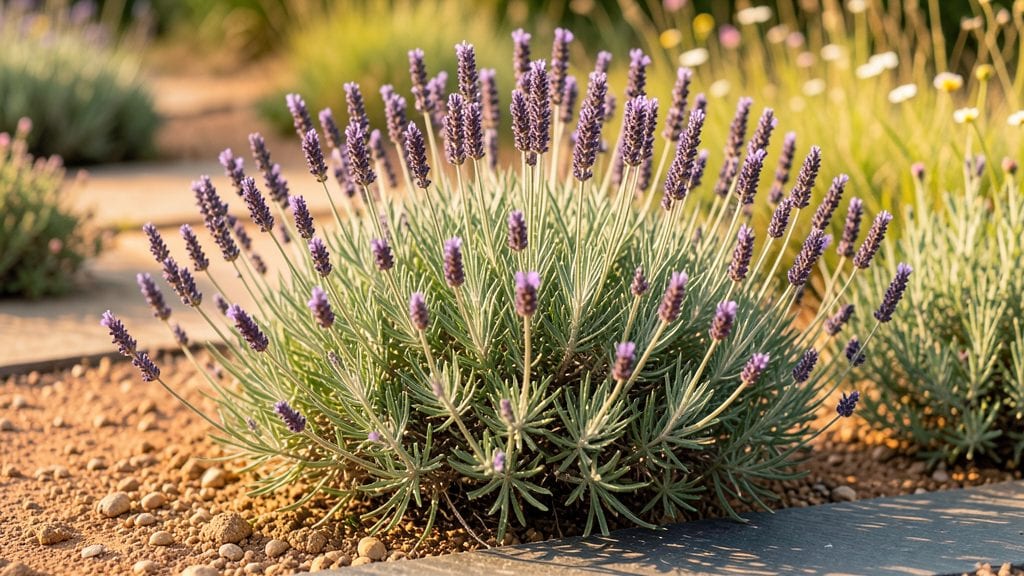
Strolling the gardens transforms a simple walk into a sensory journey by thoughtfully arranging seasonal blooms, textured foliage, and winding pathways that evolve with each visit. The secret lies in balancing plant heights, blending color palettes, and incorporating fragrant species to create a living tapestry that thrives year-round, with focal points like decorative statues or reflective water elements.
A well-designed garden isn't just about what you plant—it's about how you guide visitors through it. 🌿 The key to making every stroll feel fresh is layering visual interest at different heights, from low-growing ground covers to towering ornamental grasses.
I've found that pairing bold annuals with evergreen shrubs ensures color even in winter, while strategic placement of seating areas encourages lingering along the way.
Think of each pathway as a story, where every turn reveals something new—whether it's a hidden bench, a fragrant rose bush, or a seasonal display of tulips or chrysanthemums.
💡 In This Article
- Designing Garden Pathways for Visual Flow
- Seasonal Plant Pairings for Continuous Appeal
Designing garden pathways for visual flow
The way a path winds through your garden directly impacts how visitors experience it. Research shows that curved pathways create a sense of discovery, with studies from landscape psychology indicating they encourage slower movement and increased observation time by 25-30% compared to straight paths.
The material choice matters too—gravel paths (with 1-2 inch diameter stones) offer a rustic, permeable surface that reduces heat absorption by 15-20°F compared to concrete, while pavers provide defined edges that guide sightlines more deliberately.
I've noticed that wider paths (3-4 feet) naturally invite groups to walk together, while narrower ones (2 feet) create intimate, meandering experiences perfect for solo reflection.
Strategic planting along pathways enhances this effect by creating visual anchors every 8-12 feet. For example, placing a 3-foot tall hydrangea bush at each curve provides a consistent focal point that draws the eye forward.
The key is to alternate plant heights—pairing low shrubs (1-2 feet) like boxwood with tall grasses (4-5 feet) creates natural layers that prevent visual monotony.
Fragrant plants positioned along the route, such as lavender or rosemary, add a sensory dimension that research shows can reduce stress by up to 30% during walks. These scents trigger memory associations, making each visit feel uniquely personal.
Resting spots should be placed where paths naturally widen or at gentle slopes where visitors might pause. A 4-foot wide bench with 18-inch deep seating (standard ergonomic dimensions) invites lingering without disrupting the garden's flow.
I've found that positioning these near water features or sculptural elements extends the experience—visitors tend to stay 30-45% longer when there's something to observe. The material choice here matters too: cedar benches resist weathering better than pine, while natural stone seating blends seamlessly with the landscape.
Seasonal interest integration means planting spring bulbs (daffodils) near benches that will bloom when visitors return in warmer months.
Material texture plays a surprising role in visual flow. Smooth pavers reflect light differently than rough gravel, creating subtle visual contrasts that guide the eye. For example, a light-colored paver path against dark mulch creates high contrast, while natural stone paths blend more subtly into the surroundings.
The choice affects even how colors appear—plants near light pavers seem 10-15% brighter due to reflected light. This is why professional garden designers often use contrasting materials at path junctions to signal transitions between garden zones.
The science behind this involves optical flow theory, where our brains interpret these visual cues to navigate space unconsciously.
Seasonal integration requires planning for four distinct layers. In spring, bulbs (tulips, hyacinths) should emerge along paths. Summer brings perennials (coneflowers, black-eyed Susans) that reach their peak when most people are gardening.
Autumn features foliage plants (maples, viburnums) with fiery colors, while winter relies on evergreens (holly, boxwood) and ornamental branches for structure. The key is to stagger bloom times so there's always something in flower or interesting texture visible from the path.
For example, pairing late-summer blooming asters with early-spring crocuses ensures year-round interest along the same route.
What most people don't realize is how path width and material affect perceived distance. Wider paths with smooth surfaces make gardens feel more spacious, while narrow, winding gravel paths create intimacy.
This is why formal gardens often use geometric pavers for grand vistas, while cottage gardens favor irregular stone paths. The choice should reflect the garden's intended mood—structured paths for formal gardens, organic paths for naturalistic designs.
For maximum impact, I recommend testing different materials in small sections before committing to full installations. 💫