
Size
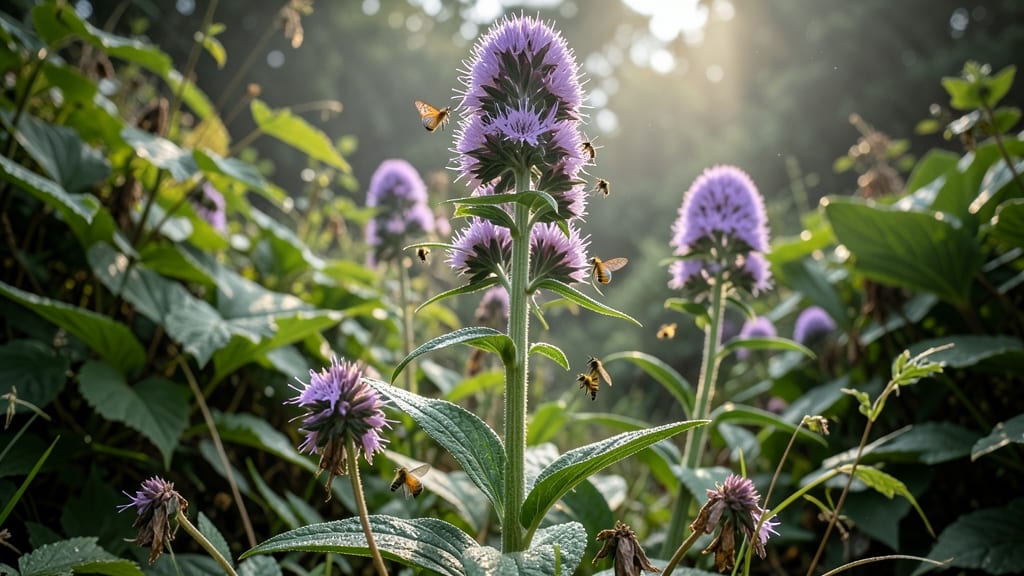
Tall garden weeds can quickly overtake your carefully cultivated plants, stealing nutrients and sunlight. Learn to identify these 10 aggressive invaders and use proven removal methods to reclaim your garden before they dominate.
Giant Hogweed with Purple Spots
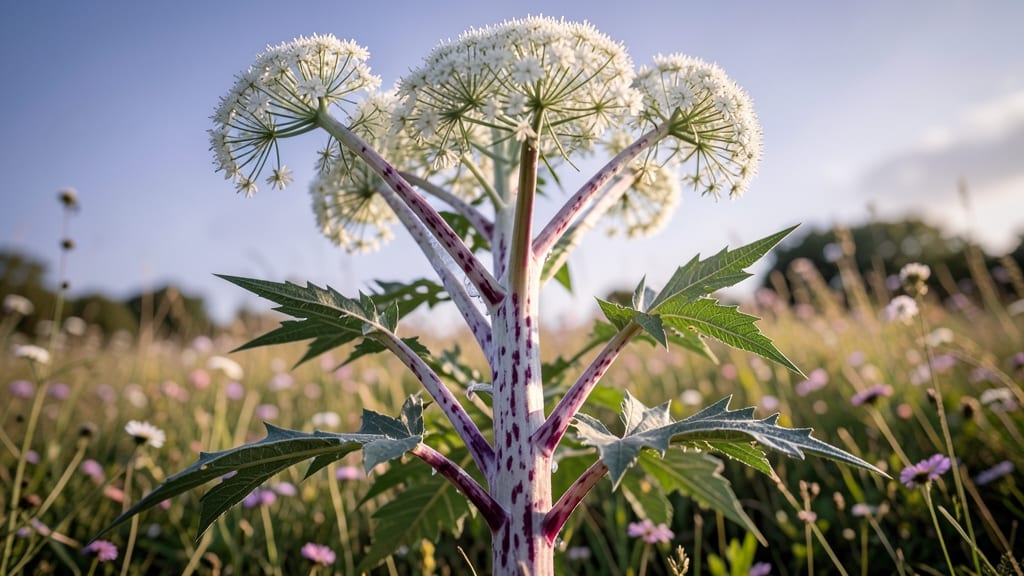
If you’ve ever spotted a 10-foot-tall plant with purple-spotted stems and umbrella-like white flowers, you’re likely looking at giant hogweed—one of the most dangerous weeds in North America. This invasive plant isn’t just a nuisance; its sap contains photosensitizing chemicals that trigger severe burns when exposed to sunlight, leaving blisters and scars for weeks.
Giant hogweed thrives in moist, disturbed soils along riverbanks, roadsides, and garden edges, spreading rapidly via seeds and root fragments. The key to stopping it? Remove it before it flowers (May–July), using gloves and long sleeves to avoid skin contact. Cut stems at the base and bag the debris—never compost it. For established patches, dig 6–12 inches deep to extract roots, as even small pieces can regrow.
This weed poses a serious risk to urban gardeners, hikers, and pets, so act fast if you spot it. Early removal prevents it from dominating your space and protects your family from painful reactions. 🌟
Common Milkweed Seed Pods
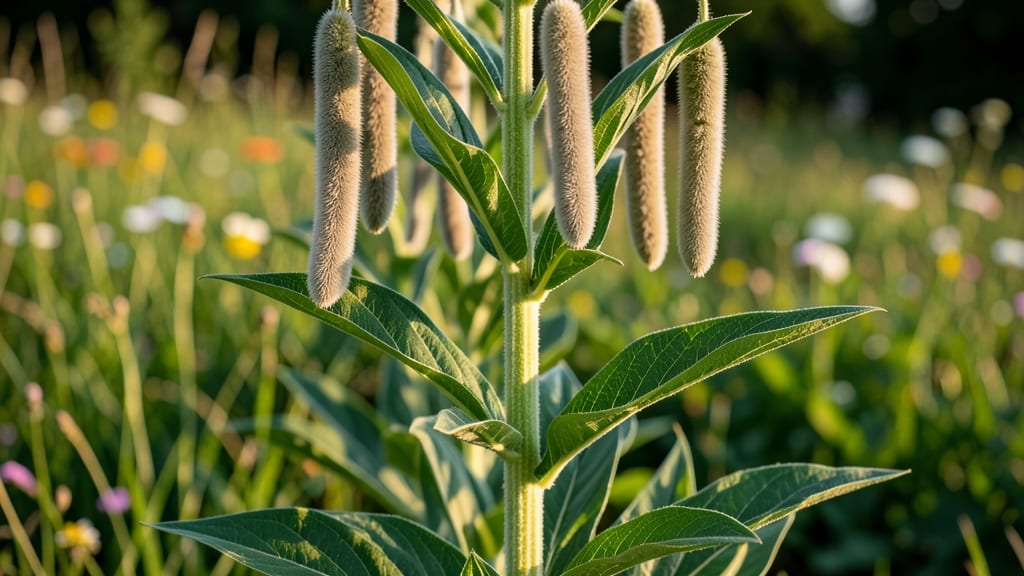
That fuzzy, pod-filled plant towering over your garden might be common milkweed—a fast-growing biennial that thrives in sunny spots but can quickly become a pollinator magnet gone wild. Its tall, fuzzy seed pods (up to 6 inches long) burst open in late summer, releasing thousands of seeds that spread via wind and wildlife.
While milkweed is essential for monarch butterflies, its aggressive spread can choke out desired plants. To control it, remove seed pods before they split—wear gloves, as the fluffy fibers can irritate skin. For established plants, dig up roots in early spring or late fall when the soil is moist. If you want to keep it for pollinators, plant it in a contained area like a wildflower meadow rather than mixed beds.
This weed is a double-edged sword: a lifesaver for butterflies but a headache for gardeners. If you love monarchs but hate the chaos, strategic placement is key to enjoying its benefits without the takeover. 🌟
Canada Thistle with Spiky Flower Heads
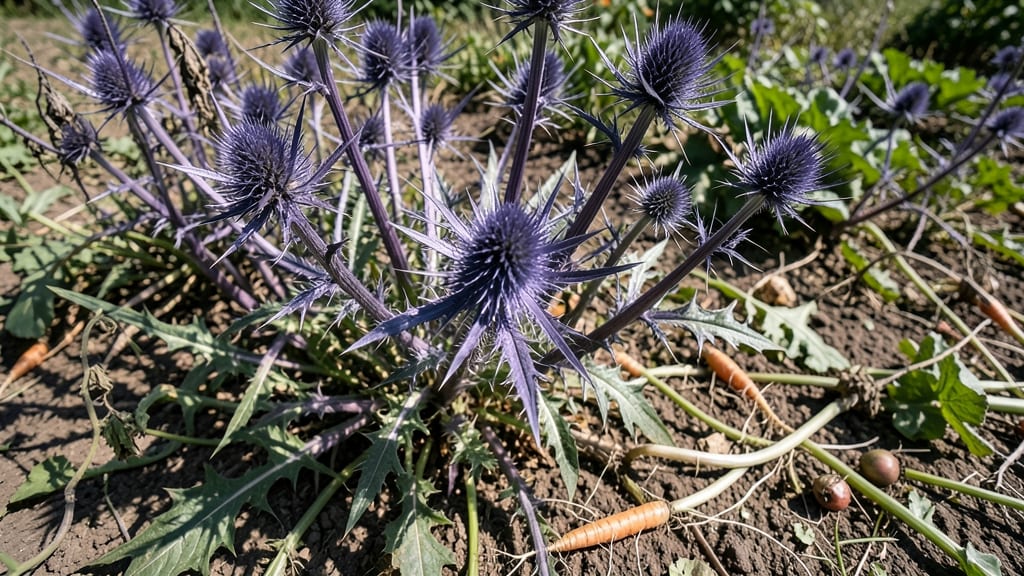
When your vegetable patch starts looking more like a thistle jungle, you’re likely dealing with Canada thistle—a spiky, deep-rooted invader that outcompetes crops with ruthless efficiency. Unlike annual weeds, this perennial returns year after year, its sharp thorns making it nearly impossible to pull by hand without gloves (or sanity).
This aggressive weed thrives in disturbed soils and spreads via underground roots that can extend 6 feet deep, leaving fragments behind when you dig. The key to control? Repeated cutting (mowing every 2-3 weeks) weakens the plant over time, while glyphosate-based herbicides provide faster results. For organic gardeners, vinegar or boiling water can work on small patches—but persistence is key, as it takes 2-3 seasons to fully eradicate.
Vegetable gardeners and market farmers will find this weed particularly frustrating, as it crowds out seedlings and steals moisture. If left unchecked, a single plant can multiply into a dense colony within a season. 💪
Japanese Knotweed Stems
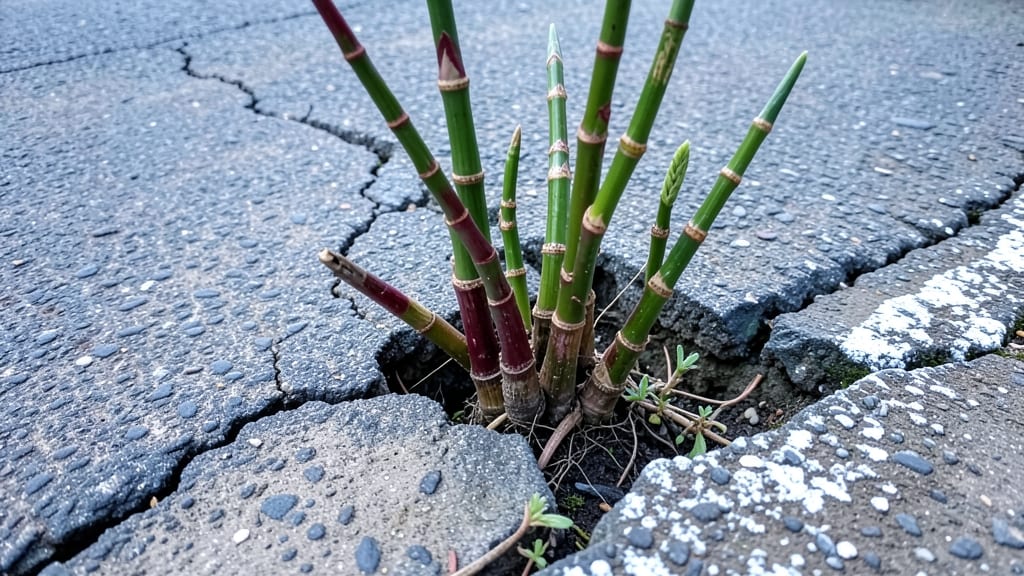
If you’ve ever spotted bamboo-like stems growing through cracks in your sidewalk or driveway, you’re likely dealing with Japanese knotweed—one of the most destructive weeds in North America. This fast-spreading invader can shatter concrete, damage foundations, and even clog drainage systems if left unchecked.
The plant’s zigzagging, hollow stems (often red-tinged) and clusters of small white flowers make it easy to misidentify as ornamental bamboo. However, its rhizome system spreads aggressively underground, making it nearly impossible to eradicate without professional help. Many regions classify it as a noxious weed, with strict laws requiring certified removal to prevent further spread.
Homeowners near urban areas or with cracked pavement should act fast—digging alone rarely works. Instead, consult local invasive species programs or licensed contractors to safely excavate the roots and dispose of the plant. 💪
Mullein with Tall Yellow Flower Spikes
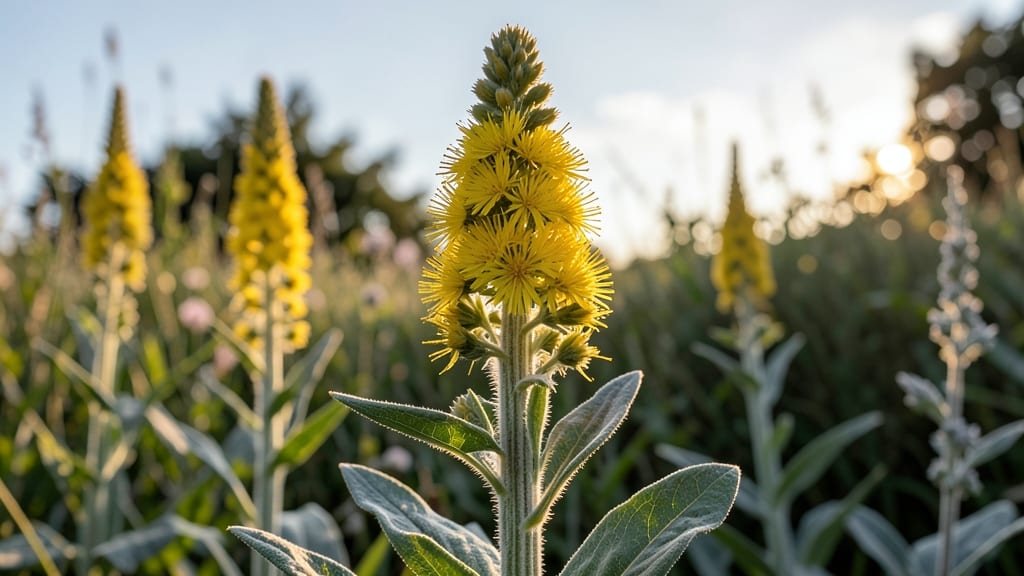
If you’ve ever spotted towering yellow flower spikes reaching toward the sky, you might be looking at mullein—a biennial weed that starts as a low rosette and explodes into 5-foot stalks in its second year. Unlike the toxic or invasive weeds we’ve covered, mullein has a surprising dual role: it’s both a garden nuisance and a useful herb.
The key to managing mullein lies in its life cycle: harvest the young leaves in spring for tea (they’re rich in vitamins A and C), but remove the flowering stalks before they release thousands of seeds. This biennial self-seeds prolifically, so prevention is easier than cleanup. For urban gardeners or those with limited space, pulling stalks early ensures you won’t end up with a wildflower meadow you can’t control.
Mullein thrives in poor soil and full sun, often popping up where nothing else grows—making it a resilient (if unwanted) indicator of disturbed ground. If you’re growing vegetables, its deep roots can compete for nutrients, but its pollinator-friendly flowers add beauty if managed carefully. 🌻
Teasel with Spiky Seed Heads
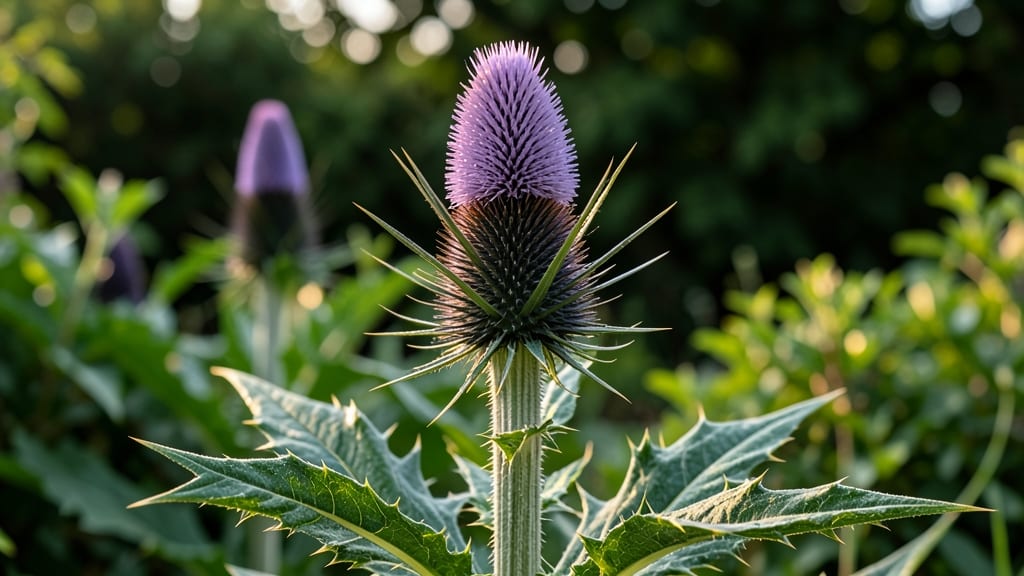
If you love dramatic textures in your garden but hate losing control to towering plants, teasel (Dipsacus fullonum) might be the perfect paradox. This 6-foot-tall thistle relative produces striking purple flower spikes that transform into spiky seed heads—ideal for dried arrangements—but its aggressive spread can quickly turn your garden into a teasel jungle.
Teasel thrives in full sun and well-drained soil, making it a magnet for beneficial insects like bees and butterflies. However, its self-seeding habit means one plant can become dozens overnight. The key to managing it? Cut back flowering stems before seed heads form in early summer, and consider planting it in contained areas like meadow-style gardens where its height can be appreciated without crowding.
Perfect for gardeners who want wild, cottage-garden charm without the chaos, teasel rewards patience with striking vertical interest while demanding strategic pruning. Just don’t let it fool you into thinking it’s low-maintenance! 🌻
Wild Parsnip with Flat-Topped Clusters
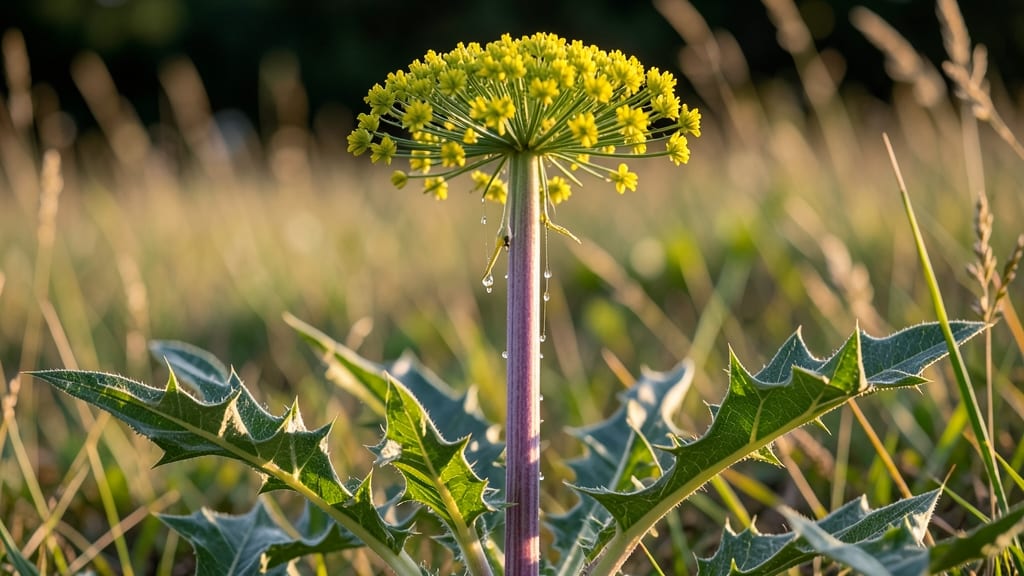
If you’ve ever mistook a wild parsnip for its edible garden cousin, think twice—this 5-foot-tall invader packs a dangerous punch. Its flat-topped yellow flower clusters may resemble cultivated parsnips, but touching its sap and exposing it to sunlight triggers phytophotodermatitis, a painful skin reaction that causes blisters and peeling.
Wild parsnip thrives in disturbed soils, roadsides, and abandoned fields, spreading aggressively through seeds. To remove it safely, wear long sleeves and gloves, then cut stems at the base before they go to seed. For stubborn patches, apply glyphosate-based herbicide in late summer when the plant stores energy in its roots.
This weed is especially risky for gardeners in midwestern and northeastern regions, where it’s most prevalent. If you spot it near your veggie patch, act fast—its toxic sap can linger on tools and clothing, so clean everything thoroughly after removal. 🌟
Musclewood with Woody Stems
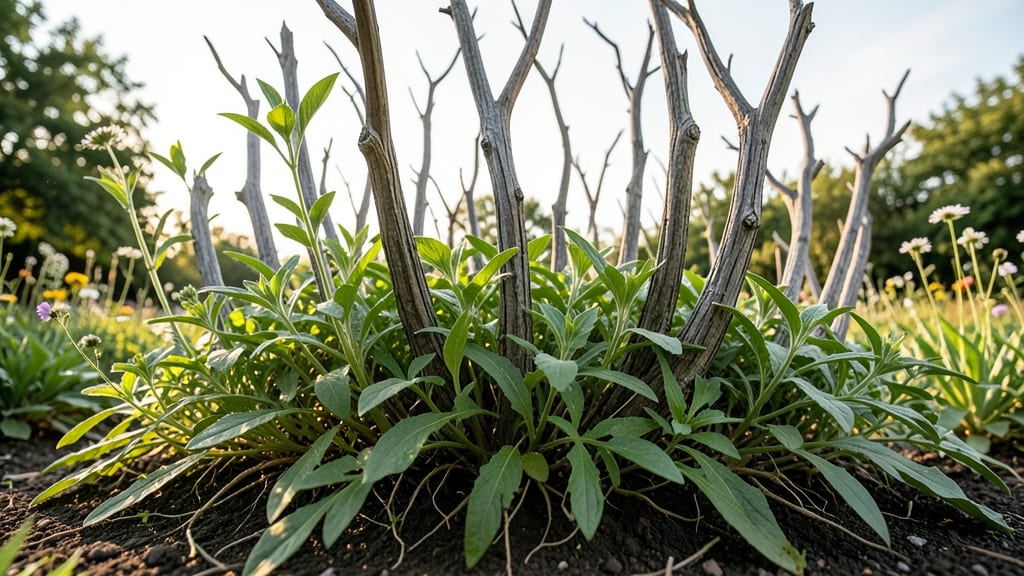
If you’ve ever spotted a shrub-like weed towering over your perennial beds with thick, woody stems, you’re likely dealing with musclewood—a relentless invader that spreads aggressively via underground rhizomes. Unlike other tall weeds, its 8-foot stems can dominate garden edges, making it a persistent challenge for gardeners who prioritize clean, intentional plantings.
This weed thrives in partial shade to full sun and spreads through horizontal rhizomes, meaning surface removal won’t stop it. To prevent regrowth, dig 12-18 inches deep to sever the roots completely, especially in perennial beds where it competes with desirable plants. Early spring or fall are ideal times to tackle it before new shoots emerge.
Gardeners with established perennial borders or those struggling with invasive spread will find musclewood particularly frustrating—its woody stems make it harder to cut or pull compared to softer-stemmed weeds. A targeted approach with deep digging and follow-up monitoring is key to reclaiming your space. 💪
Cocklebur with Spiny Seed Balls
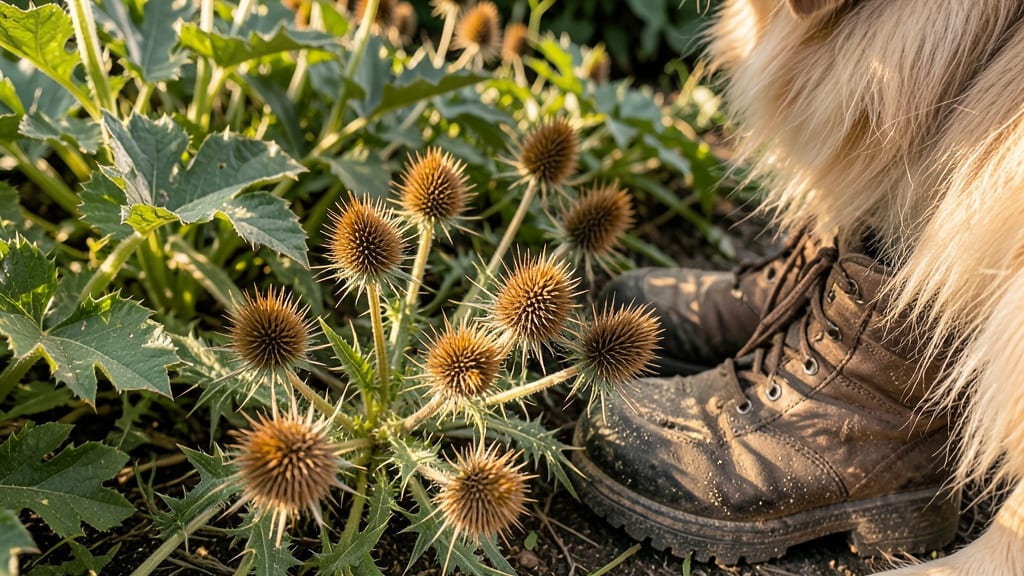
Ever found those spiky seed balls clinging to your clothes or your dog’s fur after a walk? That’s likely cocklebur, an annual weed with prickly burs that hitchhike across your property. These burs can spread seeds up to 20 feet away, turning your garden into a cocklebur hotspot if left unchecked.
Cocklebur thrives in disturbed soils and waste areas, reaching heights of 2-5 feet. The key to stopping its spread is acting fast—remove plants before the burs mature, ideally in late summer when they’re still small. Wear gloves and long sleeves to avoid the painful spines, and dispose of the plants in sealed bags to prevent new growth. This weed doesn’t have deep roots, so hand-pulling is effective if done early.
Gardeners in rural areas or those with pets will appreciate this tip most—cocklebur’s burs are notorious for spreading to lawns, pastures, and even nearby fields. A little vigilance now saves hours of weeding later! 🌻
Joe-Pye Weed with Purple Flower Heads

If your garden feels like a magnet for towering, native plants that outshine your prized flowers, Joe-Pye weed might be the culprit. This 7-foot-tall beauty thrives in moist areas, drawing butterflies and bees—but its aggressive spread can quickly turn your garden into a sea of purple blooms.
While Joe-Pye weed is a pollinator powerhouse, its rhizomatous roots make it stubborn to control. After flowering (late summer to fall), prune back stems to reduce seed production and prevent it from crowding out other plants. For established clumps, dig up roots in early spring before new growth emerges.
This weed is a must-manage for gardeners with wet soil or near ponds—its benefits don’t outweigh the space it demands. With strategic pruning, you can enjoy its beauty without losing control. 💚