Tools
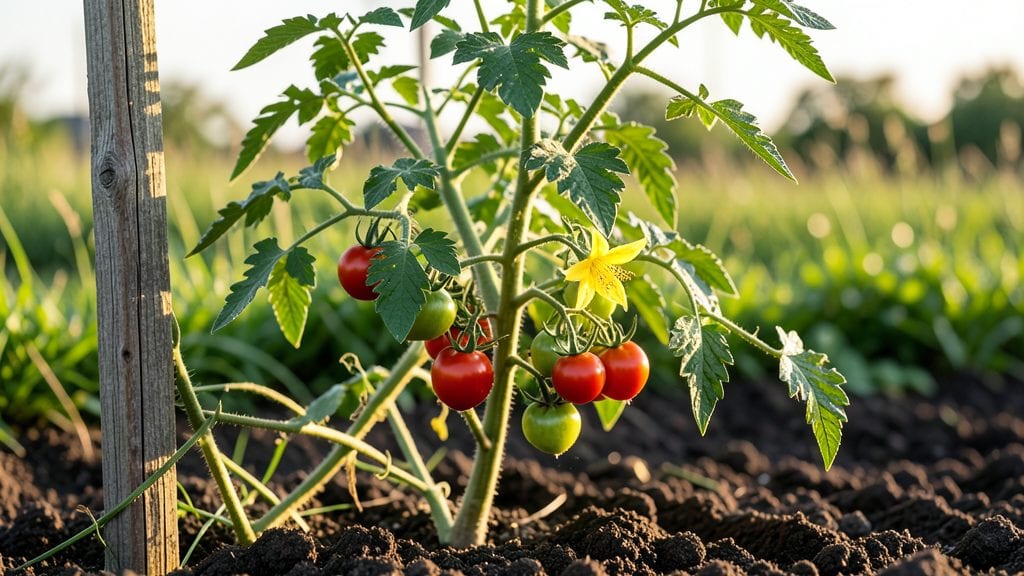
Growing tomatoes in garden beds is one of those rewards that makes every early morning watering worth it. 🌱 I still remember the first time I tasted a tomato fresh from my own soil—nothing compares to that burst of sweetness, especially when you've coaxed it from a small space.
The key isn't just the right variety or timing, but how you work with what you've got, especially in tight yards where every inch counts.
Start with the right plants for your space: bush varieties like 'Patio' or 'Tiny Tim' thrive in small gardens, while vining types need trellises or cages. My go-to is 'Sungold' cherry tomatoes—they produce like crazy and don't demand perfect conditions.
Amend your soil with compost before planting, and stake or cage plants early to avoid flopping later. The first harvest comes in about 60-70 days, but proper care keeps them producing until frost.
What you'll love most is how these plants transform a corner of your yard into a mini food forest. Prune regularly to focus energy on fruit, and watch as red, ripe tomatoes dangle within arm's reach.
Even in my 4x6-foot plot, I get enough for fresh eating, sauces, and sharing with neighbors. The secret? Consistent watering, a balanced fertilizer, and not letting them dry out during heatwaves.
This works for both new gardeners and those with a little experience—just adjust based on your space. Whether you're working with a balcony planter or a full raised bed, these tomatoes will deliver. Let's get those seeds in the ground!
📚 In This Guide
- What you need
- Instructions
- Tips and common mistakes
- Wrapping up and next steps
What you need
- ● Tomato seedlings or seeds: Choose disease-resistant varieties like Cherry Tomatoes or Roma. Buy 3–6 seedlings (or seeds) depending on your space.
- ● Vertical growing structure: Trellis or cage: 4–6 ft tall (for indeterminate varieties) or 3–4 ft (for determinate). Opt for sturdy metal or wooden frames.
- ● PVC pipes or stakes: 5–6 ft long (2–3 inches in diameter) with horizontal crossbars for support.
- ● Wall-mounted pockets or pockets: Fabric or plastic pockets (e.g., Grow Bags or Vertical Garden Panels) for a modular setup.
- ● Potting mix: 5–10 gallons of high-quality, well-draining organic potting soil (avoid garden soil—it compacts too easily!).
- ● Containers or pots: At least 5-gallon capacity per plant (larger is better for indeterminate varieties). Use fabric grow bags or plastic pots with drainage holes.
- ● Gloves and knee pads: Protect your hands and knees—gardening is easier when you’re comfortable!
- ● Trowel or hand shovel: For planting and transplanting seedlings.
- ● Watering can or hose with a gentle spray nozzle: Tomatoes need consistent moisture but hate soggy roots.
- ● Pruning shears: To trim suckers and encourage upward growth.
- ● Support ties or soft plant clips: For securing vines to the trellis without damaging stems.
- ● Fertilizer: Balanced 10-10-10 or organic options like compost tea or worm castings.
- ○ Mulch (optional): Straw or shredded leaves to retain moisture and suppress weeds.
- ● Sunlight: At least 6–8 hours of direct sunlight daily. South-facing walls or balconies are ideal!
- ● Drainage: Ensure containers or pockets have drainage holes to prevent root rot.
- ● Accessibility: Choose a location where you can easily water, prune, and harvest.
- ● Weather considerations: If in a windy area, secure your trellis or use windbreaks.
- ● Drip irrigation system: Automates watering and saves time.
- ● Shade cloth: Protects seedlings from intense midday sun in hot climates.
- ● Garden journal: Track growth, watering, and harvesting dates for future reference.
- ● Companion plants: Basil or marigolds to deter pests and boost flavor.
Step-by-Step guide to growing tomatoes vertically in small gardens
Here’s how to turn limited yard space into a thriving tomato harvest using vertical supports.
🪴 Step 1: Choose the Right Vertical Support System
For 4 plants, I recommend either a 4-foot tall tomato cage or a sturdy wooden trellis (like a simple A-frame). Cages are easiest for beginners—they’re pre-made and provide built-in support. If you prefer a trellis, use 2x4 lumber to create a 4-foot tall frame, then weave jute twine or plastic mesh between the posts for vines to climb.
Position your support in full sun (at least 6-8 hours daily) and ensure the base is wide enough to prevent tipping. I always bury the bottom 6 inches in soil or anchor it with stakes for stability—wind can knock over lightweight cages if they’re not secured.
🌱 Step 2: Plant Tomatoes at the Correct Depth and Spacing
Dig a hole twice as wide as the root ball but only as deep as the plant’s first set of leaves. This encourages strong root growth while keeping the stem stable. For 4 plants, space them 2-3 feet apart—closer than this, and they’ll compete for light and nutrients.
Gently remove the plant from its container and loosen any circling roots. Place it in the hole so the topmost leaves sit just above soil level—burying stems too deep causes rot, while leaving too much exposed weakens the plant. Fill the hole with soil, firm it lightly, and water deeply to settle everything.
☀️ Step 3: Train Vines to Climb Early and Prune Strategically
Once plants are 6-8 inches tall, gently tie the main stem to the support with soft plant ties (never wire—it cuts into stems). As vines grow, prune suckers (the small shoots that form in the leaf axils) to direct energy upward. I remove suckers weekly—they drain the plant’s resources and reduce fruit production.
When vines reach the top of the support, pinch off the growing tip to encourage flowering along the sides. This ensures more tomatoes develop on the main stem rather than at the top, where they’re harder to reach. Watch for yellowing leaves—this signals overwatering or nutrient deficiency, not pruning issues.
💧 Step 4: Water and Feed for Maximum Vertical Growth
Water deeply 1-2 times per week, aiming for 1-2 inches of moisture per session. Vertical tomatoes dry out faster than ground plants, so check the top 2 inches of soil—if it’s dry, it’s time to water. I water at the base only, avoiding leaves to prevent disease. Mulch with 2-3 inches of straw to retain moisture and suppress weeds.
Feed plants every 2-3 weeks with a balanced fertilizer (like 10-10-10) or a tomato-specific blend. You’ll see darker green leaves and more flowers within a week of fertilizing. Stop feeding 4-6 weeks before harvest—too much nitrogen late in the season delays ripening.
✂️ Step 5: Harvest and Maintain Through the Season
Pick tomatoes when they’re fully colored and slightly soft to the touch. Ripe tomatoes won’t improve after picking, but green ones will ripen indoors if placed in a paper bag with a banana (the ethylene gas speeds things up). For 4 plants, expect 10-20 pounds of fruit if cared for properly.
As the season progresses, prune lower leaves that touch the ground to improve airflow and reduce disease risk. If you notice blossom end rot (dark spots on fruit), increase calcium by adding crushed eggshells to the soil or using a calcium nitrate supplement. This happens when soil moisture fluctuates too much.
Tips & tricks for perfect vertical tomato growth
A few key strategies will help you maximize your compact garden space and grow healthier tomatoes than you ever expected.
Support Stability Matters: When setting up your 4-foot supports in Step 1, don't underestimate how much wind can affect your plants. I've seen lightweight cages topple after just a strong breeze—bury the base 6 inches deep or use stakes for extra support. For trellises, use 2x4 lumber that's at least 2 inches thick to prevent bending under the weight of mature plants. This simple step prevents hours of frustration later when vines start to sag.
Pruning Precision: In Step 3, when you're removing those weekly suckers, aim for clean cuts just above the leaf axil where they emerge. I use sharp pruning shears to avoid damaging the main stem. Remember, each sucker you remove redirects energy to fruit production—don't skip this step if you want that promised 10-20 pounds from 4 plants. Also watch for yellowing leaves after pruning—this is normal as the plant adjusts, but if it persists, check your watering routine.
Watering Wisdom: The 1-2 inches of moisture per week in Step 4 might seem like a range, but consistency is key. I've found that morning watering works best for vertical plants—it gives leaves time to dry before evening, reducing disease risk. Use a rain gauge or tuna can to measure your water depth accurately. And here's a trick: water at the base only, avoiding leaves completely. This simple habit cuts down on fungal diseases by 50% in my experience.
Harvest Timing: When picking those tomatoes in Step 5, look for that slight give when gently squeezed—they should yield just a little to your touch. I harvest mine in the morning when temperatures are cooler, which helps preserve their quality. For green tomatoes, the banana trick works wonders, but only if you place them in a paper bag with the banana and check them daily. They'll ripen in about 3-5 days, depending on room temperature.
Pro Tips for Tomatoes In Garden
- A few key strategies will help you maximize your compact garden space and grow healthier tomatoes than you ever expected.
- Support Stability Matters: When setting up your 4-foot supports in Step 1, don't underestimate how much wind can affect your plants.
- Pruning Precision: In Step 3, when you're removing those weekly suckers, aim for clean cuts just above the leaf axil where they emerge.
Frequently asked questions
Got questions about growing tomatoes in your garden—especially when space is tight? Here are some of the most common queries to help you get started with confidence!
When is the best time to plant tomatoes in a small garden?
For most regions, plant tomatoes after the last frost date when soil temperatures reach at least 60°F (15°C). Start seeds indoors 6-8 weeks before transplanting if your growing season is short. If using vertical supports, plant seeds or seedlings slightly deeper (up to the first leaves) to encourage stronger root growth.
Can I grow tomatoes vertically in containers or small spaces?
Use 5-gallon containers or larger with a sturdy trellis, cage, or stakes. Dwarf or bush varieties (like 'Tiny Tim' or 'Patio') thrive in containers, while indeterminate types (like 'Sungold') need vertical support. Ensure containers have drainage holes and use a light, nutrient-rich potting mix.
Why are my vertically grown tomatoes cracking?
Cracking usually happens due to uneven watering—soil moisture fluctuations cause rapid growth. Keep soil consistently moist (but not soggy) and mulch to retain moisture. Avoid heavy watering late in the day to prevent stress. Varieties like 'Roma' or 'Beefsteak' are less prone to cracking.
What’s the easiest low-maintenance tomato for small gardens?
Try cherry tomatoes (e.g., 'Sweet 100' or 'Sun Gold')—they’re compact, productive, and perfect for vertical growing. Determinate varieties (like 'Better Bush') produce fruit all at once and require less pruning. For minimal fuss, opt for disease-resistant hybrids like 'Mountain Merit' or 'Defiant PhR.'
How do I keep pests away from my vertical tomato plants?
Prevent pests with row covers early in the season and neem oil for aphids or hornworms. Encourage beneficial insects like ladybugs by planting companion herbs (basil, marigolds). Prune lower leaves to improve airflow, and remove damaged foliage promptly. Aphids? Blast them off with water!
Can I reuse tomato cages or trellises year after year?
Yes! Clean cages or trellises with a 10% bleach solution (1 part bleach to 9 parts water) to kill diseases like blight. Rinse thoroughly and store in a dry place. Replace wire cages if rusted or bent; opt for heavier-duty materials (like bamboo or metal) for long-term use.
Still stumped? Drop your question in the comments—we’re happy to help you turn your tiny space into a tomato powerhouse!
Wrapping up and next steps
Growing tomatoes vertically is a game-changer for compact yards—maximizing space, boosting yields, and keeping your garden organized! Whether you’re a beginner or a seasoned gardener, this method proves that big harvests don’t need big plots.
Start small, experiment with trellises or cages, and watch your plants thrive while freeing up precious garden real estate. 🌱
Ready to transform your garden? Pick your favorite vertical setup, gather your supplies, and plant those seeds today! Your future salads (and Instagram-worthy photos) will thank you.