
Vegetables
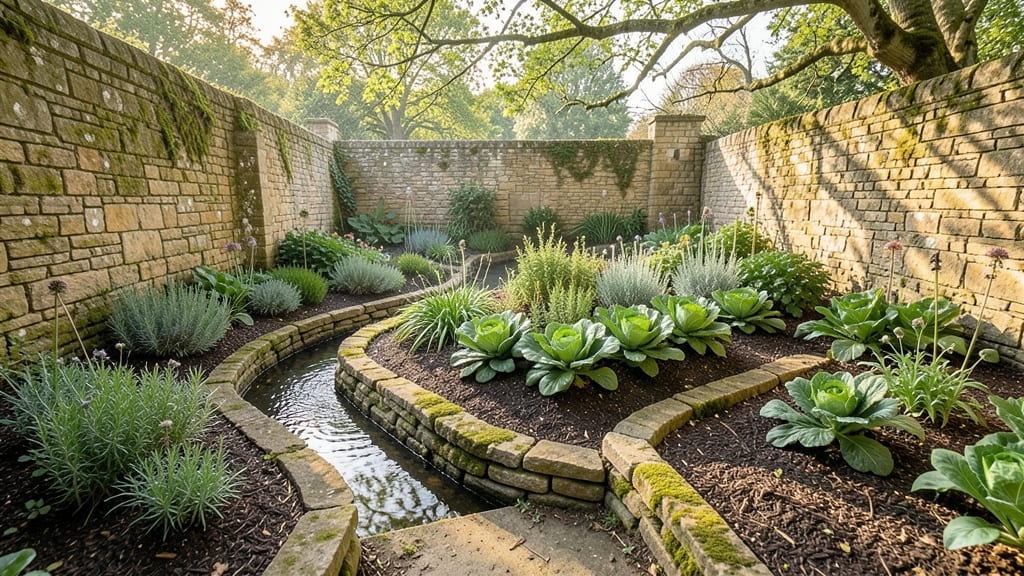
Transform your vegetable garden with timeless layouts from Britain’s most celebrated historic estates. These 10 iconic UK gardens showcase vegetable cultivation techniques that blend tradition, productivity, and stunning design—perfect for modern gardeners seeking inspiration.
Kew Gardens’ Kitchen Garden
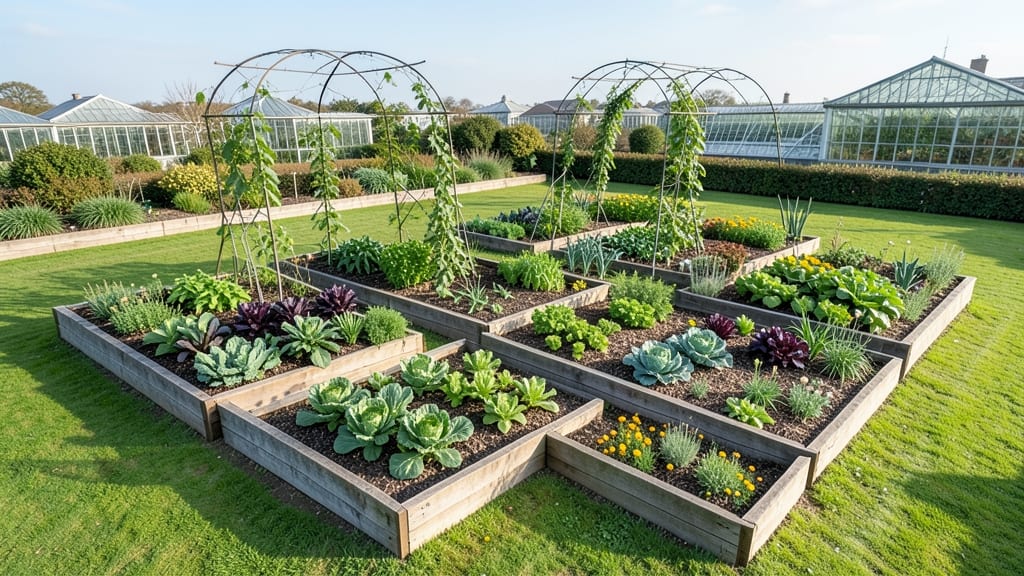
Looking to grow more food in less space without sacrificing beauty? Kew Gardens’ Kitchen Garden proves that sustainability and productivity go hand-in-hand with striking design. This Royal Horticultural Society model uses geometric raised beds and companion planting to create a high-yield system perfect for urban or small gardens.
The secret lies in the beds’ precise dimensions—typically 4 feet by 8 feet—which make weeding, planting, and harvesting efficient while maximizing sunlight exposure. Pair leafy greens like kale with alliums (garlic or onions) to deter pests naturally, while herbs such as thyme and rosemary thrive along borders. The beds are arranged in neat grids, creating a visually pleasing layout that’s easy to maintain.
This approach is ideal for urban gardeners or those with limited space who want a structured yet productive vegetable plot. The low-maintenance design and year-round potential make it a standout for modern growers. 🌱
Hidcote Manor’s Cottage Garden Vegetables
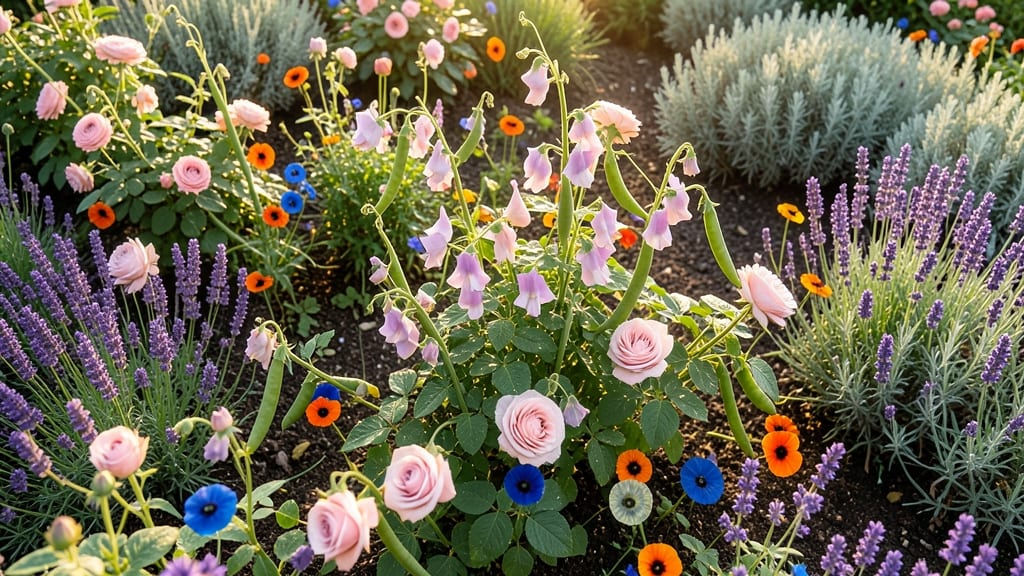
Skip the sterile vegetable patch—Hidcote Manor’s cottage garden vegetables prove edibles belong in the most romantic, flower-filled borders. This National Trust gem blends sweet peas, climbing beans, and edible flowers with roses and lavender, creating a harvestable canvas that’s as pretty as it is productive.
Key to their success? Vertical growing—trellises for runner beans and peas climb alongside purple-flowered sweet peas, while low-growing herbs like thyme and borage tuck into borders. The secret’s interplanting: let flowers attract pollinators while vegetables like French marigolds deter pests. Even squash hides among ornamental grasses for a natural, layered look.
Perfect for small gardens or urban plots, this approach turns food production into living art. Beginners will love how effortlessly edibles integrate—no separate "vegetable patch" needed. 🌷
Wisley’s Productive Planting Scheme
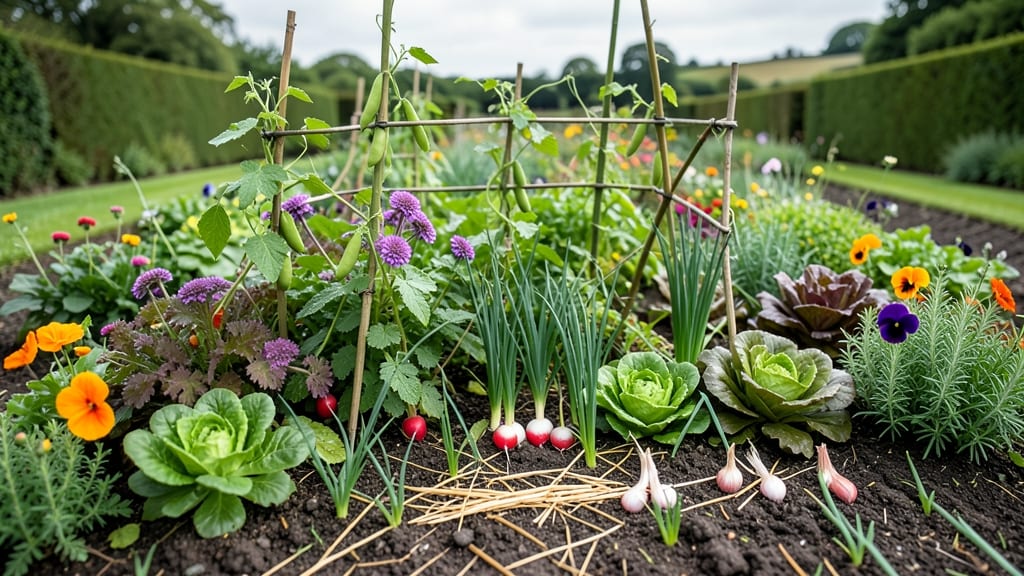
If you’ve ever thought your small urban plot couldn’t grow enough vegetables, Wisley’s Productive Planting Scheme from the Royal Horticultural Society will change your mind. This science-backed approach proves you can pack high-density vegetable beds with flowers, herbs, and edibles—all while maintaining beauty and productivity.
The scheme uses interplanting to maximize space: fast-growing radishes or lettuce nestled between slower-maturing kale or onions, with flowers like calendula or nasturtiums deterring pests naturally. Research shows this method can double yields in the same square footage compared to traditional rows. Even beginners can replicate it by starting with a 6-foot-wide border and rotating crops annually.
Urban gardeners with balconies or tiny yards will love how this design turns mixed borders into year-round harvests without sacrificing aesthetics. The key? Prioritize soil health and plant diversity—just like the pros at Wisley. 🌻
Blenheim Palace’s Market Garden
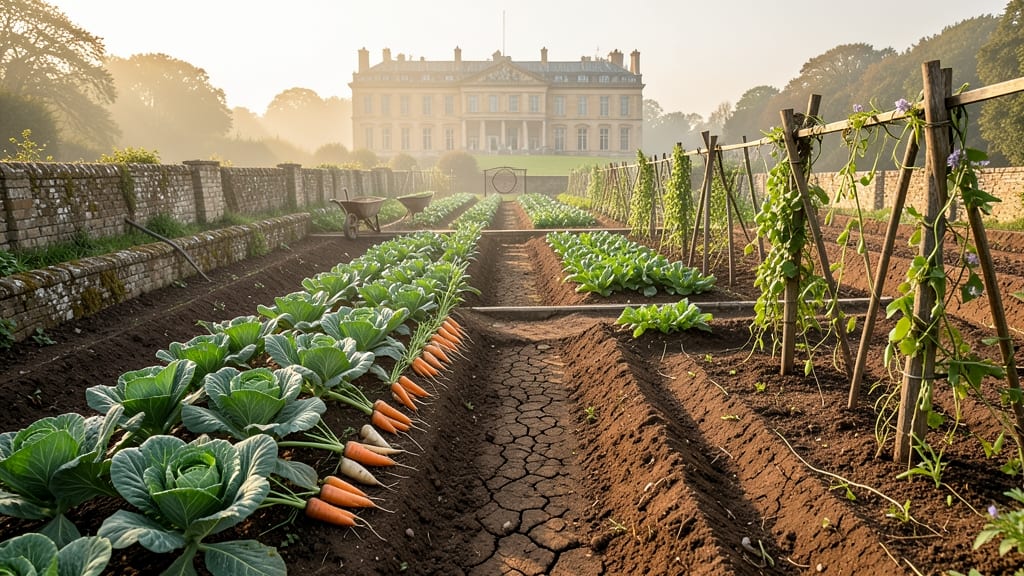
Step into the 18th-century market garden of Blenheim Palace, where the Duke of Marlborough pioneered crop rotation methods still revered today. This historic approach—alternating root crops, legumes, and brassicas—kept soils fertile without synthetic inputs, a principle modern organic gardeners can easily adopt.
Start by dividing your garden into four equal plots. Plant heirloom potatoes in spring, followed by broad beans (which fix nitrogen), then carrots or beets in summer, and finish with winter kale or spinach. The key is rotating families yearly to break pest cycles. Blenheim’s garden also incorporated espaliered fruit trees along plot edges, maximizing space while providing shade for understory crops like lettuce.
This system is ideal for gardeners who love heirloom varieties and want to minimize chemical use while maximizing yields. The historic layout’s rectangular plots also create a striking, orderly aesthetic that pairs beautifully with cottage-style gardens. 🌟
Sissinghurst Castle Gardens’ Vegetable Borders
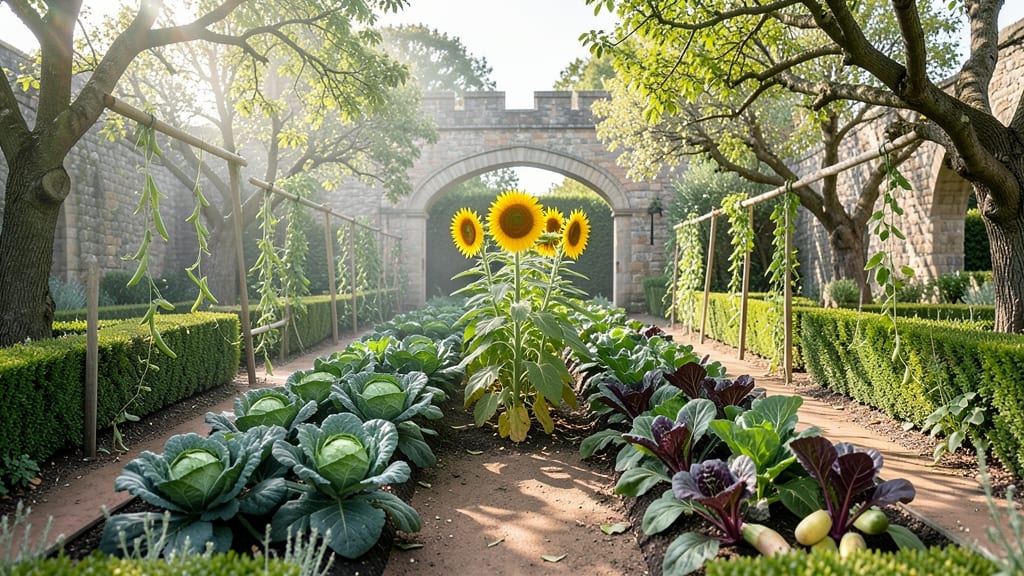
If you’ve ever dreamed of growing vegetables in a garden that looks as stunning as a formal flower border, Sissinghurst Castle Gardens proves it’s possible. Their Vitruvian-inspired vegetable layouts blend productivity with artistic precision, proving that edibles belong in even the most refined designs.
The key is symmetrical planting with clean edges—think boxwood borders framing rows of carrots, beets, and thyme—while maintaining practical spacing for harvests. Use gravel pathways to define sections and reflect the garden’s historic architecture. For modern gardeners, this means beautiful borders that yield fresh produce without sacrificing aesthetics.
Perfect for those who want high-impact vegetable beds that double as decorative features, this approach works especially well in formal gardens or urban courtyards with structured layouts. 🌻
Bodnant Garden’s Welsh Vegetable Terraces
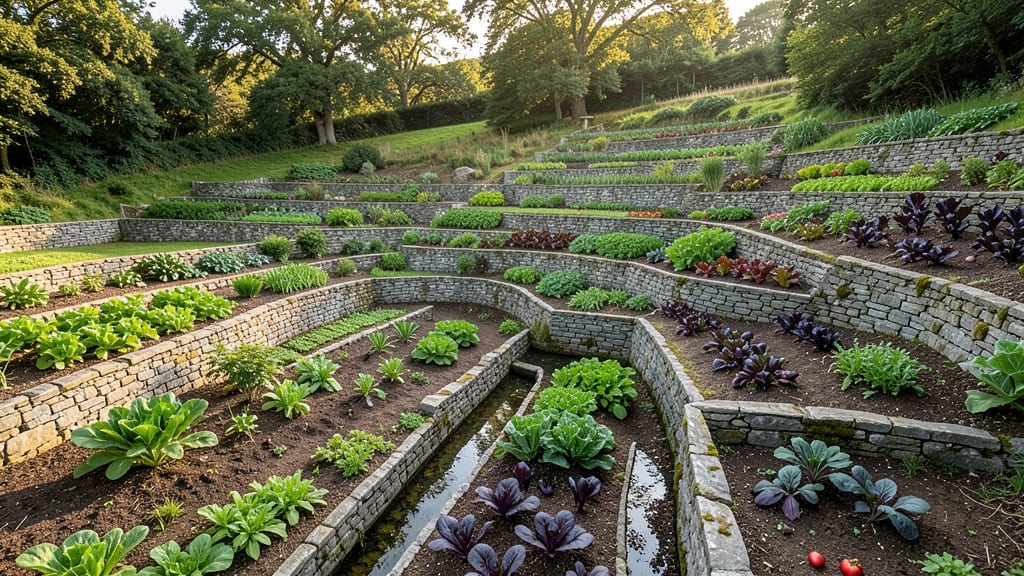
If your garden is more hillside than flat, Bodnant Garden’s Welsh vegetable terraces prove that steep slopes can become productive spaces. These stone-retained terraces cascade down the hillside, creating level growing zones where water pools naturally—ideal for drought-prone areas or gardens with uneven terrain.
The terraces prioritize hardy Welsh crops like broad beans, garlic, and leeks, which thrive in the cooler, wetter microclimates of North Wales. Stone walls not only prevent erosion but also act as windbreaks, protecting delicate plants. Start small by building a single 3-foot-wide terrace with dry-stacked stones—no concrete needed—and plant shallow-rooted crops like lettuce or radishes first.
This design is a game-changer for gardeners with sloped properties, turning challenging spaces into high-yield, low-maintenance growing areas. 🌿
Great Dixter’s PolyCulture Beds
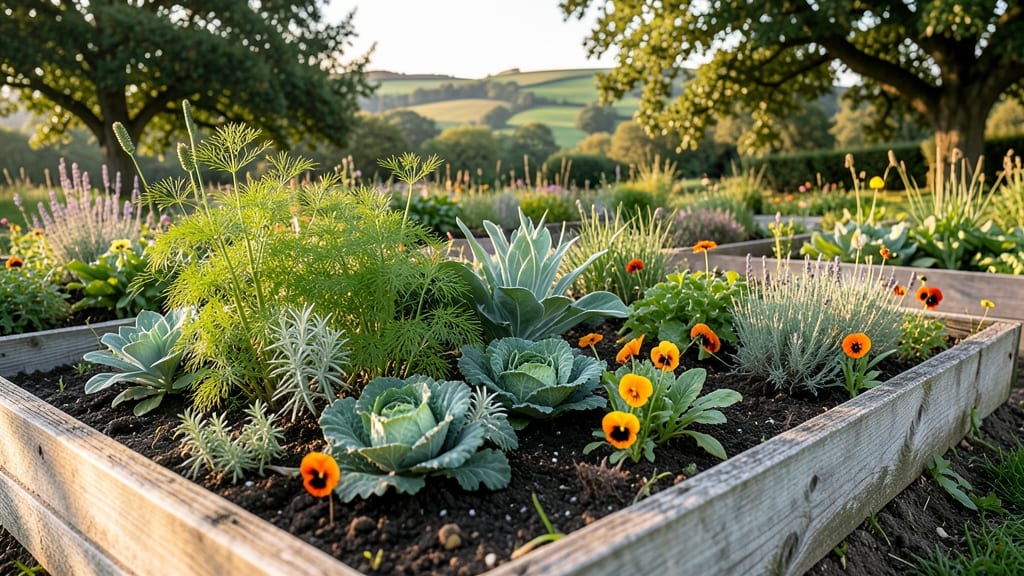
If you’ve ever struggled with pests ruining your vegetable harvest or soil that never seems to improve, Great Dixter’s polyculture beds might be your solution. Pioneered by gardening legend Christopher Lloyd, this method blends vegetables, flowers, and herbs in the same bed to create a thriving, self-sustaining ecosystem.
At the heart of polyculture is diversity: fast-growing radishes break up soil compaction, marigolds repel nematodes, and basil deters flies while improving tomato flavor. The key is planting in layers—tall herbs like rosemary in back, mid-height veggies like lettuce, and low-growing radishes in front. This approach reduces the need for synthetic pesticides and fertilizers while keeping weeds at bay.
Perfect for small gardens or urban plots, polyculture beds are ideal for gardeners who want low-maintenance, high-yield results without sacrificing beauty. Try starting with a single bed this season—your soil (and pests) will thank you! 🌿
Montacute House’s Tudor Knot Garden Vegetables
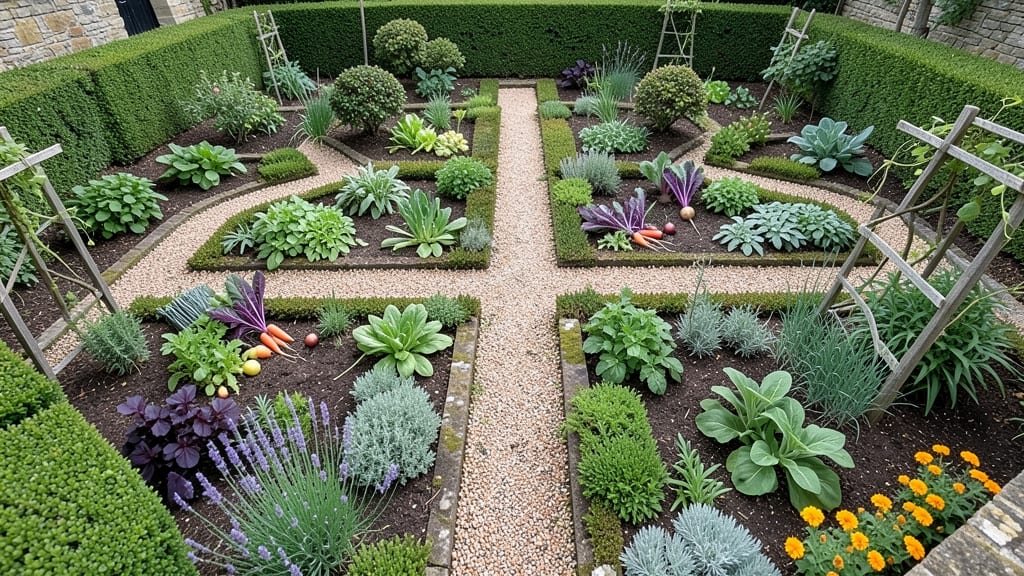
Step back in time with Montacute House’s Tudor knot garden, where Elizabethan-era symmetry meets modern vegetable cultivation. This historic design transforms traditional ornamental knot patterns into edible masterpieces, proving you don’t need to sacrifice productivity for beauty.
Use low-growing root vegetables like carrots and parsnips to create crisp geometric lines, while herbs such as thyme or lavender fill the spaces between. The key is stone-edged pathways (just 2-3 feet wide) to define the patterns, with gravel mulch to suppress weeds. Plant fast-maturing crops like radishes in the center of knots for early harvests without disrupting the design.
Perfect for gardeners who love formal aesthetics but want functional harvests, this approach works especially well in small urban spaces or as a striking centerpiece border. The Tudor charm will elevate your garden’s visual appeal while filling your kitchen with homegrown produce. 🌻
Hestercombe’s Georgian Walled Garden
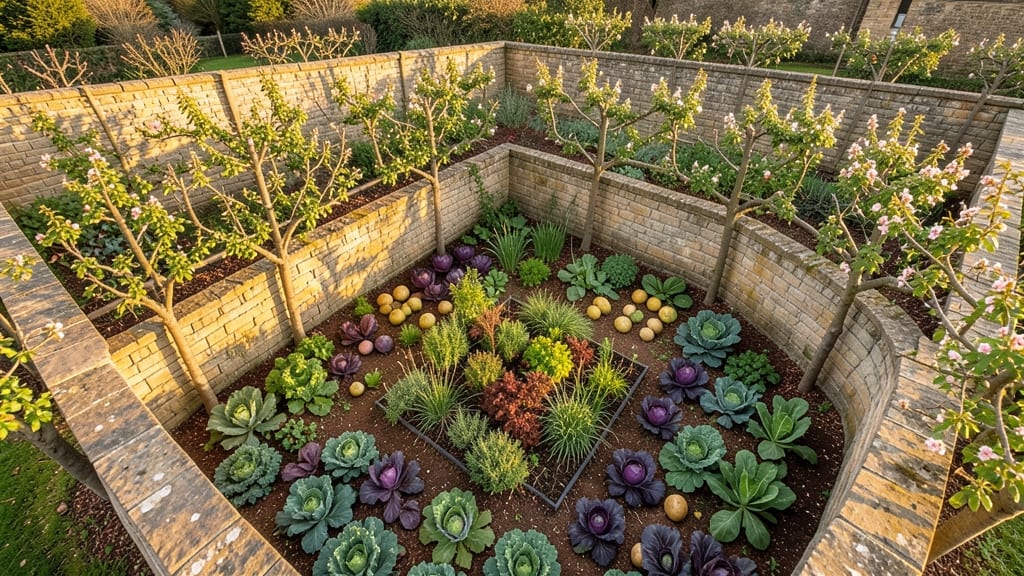
If you’ve ever dreamed of growing more food in less space without sacrificing beauty, Hestercombe’s Georgian Walled Garden is your blueprint. This 18th-century design combines espaliered fruit trees against stone walls with intensive vegetable plots, proving that high yields and elegance go hand-in-hand.
The garden’s walls aren’t just decorative—they’re functional. Apple and pear trees are trained flat against the walls, maximizing fruit production while adding structure. Below, potatoes, onions, and root vegetables thrive in narrow, deep beds, while herbs and flowers edge the plots for pollinator support. This layout works brilliantly for modern gardeners with small urban plots or limited space—just scale the walls to your fence or balcony.
Perfect for those who love historic charm with a practical twist, Hestercombe’s design turns even tight spaces into productive, picturesque gardens. 🌟
Scampston Walled Garden’s Permaculture Design

Tired of annual vegetable gardens that demand constant weeding and replanting? Scampston Walled Garden proves you can grow food and reduce work by blending centuries-old stone walls with modern permaculture techniques. Their design uses swales (shallow trenches) to capture rainwater, while guild planting (plant communities that support each other) replaces synthetic fertilizers.
Here, perennial vegetables like asparagus and rhubarb share beds with comfrey (a dynamic accumulator that feeds soil) and raspberries, creating self-sustaining ecosystems. The walled structure protects crops from wind while the low-maintenance swales eliminate the need for irrigation systems. Visitors report 50% less weeding and higher yields than traditional annual crops.
This approach is ideal for gardeners with limited time or space—especially those with historic walls or sloped land. The National Trust’s design shows how to merge heritage and sustainability for long-term productivity. 🌿