
Tools
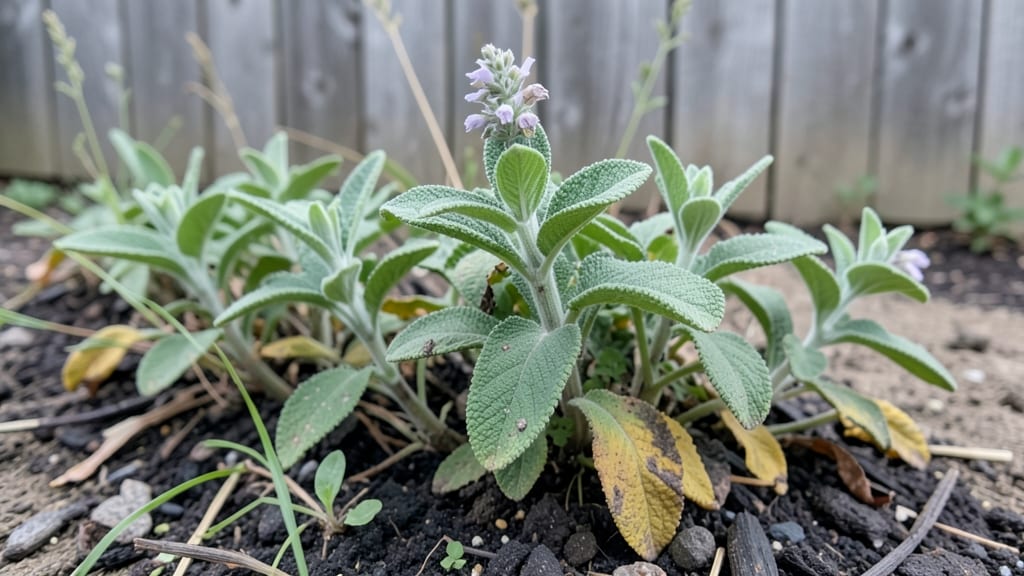
USA garden zones determine your planting region by average minimum winter temperatures, helping you select cold-hardy plants that thrive in your climate. Use the USDA Plant Hardiness Zone Map to identify your zone and match it to seed packets or plant labels for best results.
Understanding your USA garden zones isn't just about picking pretty flowers—it's about survival.
The USDA divides the country into numbered zones based on the coldest average winter temperatures your area typically hits, with Zone 1 being the harshest and Zone 13 the warmest. 🌱 This system helps you avoid planting tender annuals in areas where they'll freeze overnight or struggling to keep perennials alive through brutal winters.
For example, a Zone 5 gardener in Minnesota would never risk planting a citrus tree, while a Zone 10 gardener in Florida could grow oranges year-round.
What's fascinating is how these zones can shift even within a few miles—urban areas often run warmer than rural zones due to pavement and buildings trapping heat, while mountain slopes might be 2-3 zones colder than valley floors.
The USDA updates their map every 10 years to reflect climate changes, so even if you've gardened in the same spot for decades, your zone might have changed. Always double-check before making big planting decisions!
💡 In This Article
- How USDA Plant Hardiness Zones Work
- Finding Your Zone and Using It for Gardening
How USDA plant hardiness zones work
The USDA Plant Hardiness Zone Map divides the country into 13 main zones, each representing a 10°F range of average annual minimum temperatures. For example, Zone 5 spans -20°F to -10°F, while Zone 8 covers 10°F to 20°F.
These zones are further split into a and b subzones (e.g., 5a = -30°F to -20°F, 5b = -20°F to -10°F) to provide finer precision.
The science behind this involves analyzing 30 years of climate data—the gold standard for weather patterns—collected from thousands of weather stations across the U.S. 🌡️
Here's what's actually happening: Plants enter a state of dormancy when temperatures drop below their survival threshold. For instance, a Zone 3 plant like a Siberian larch can handle -40°F winters because its cells produce antifreeze proteins that prevent ice crystals from forming.
Meanwhile, a Zone 9 olive tree would die if exposed to 28°F for more than a few hours. The zone system helps match plants to climates where their natural cold-hardiness aligns with local winter extremes.
What most people don't realize is that these zones are based on average minimums—not worst-case scenarios. A Zone 6 area might occasionally hit -15°F, but the map assumes -10°F as the baseline.
Microclimates create the wild cards in gardening. A south-facing wall can be 5-10°F warmer than the surrounding area, allowing you to grow marginally hardier plants. Urban heat islands—where pavement and buildings trap warmth—can shift your effective zone upward by 1-2 zones.
Conversely, high elevations lose 3.5°F per 1,000 feet, so a mountain garden at 5,000 feet might behave like a lower zone. For example, Denver (Zone 5b) feels more like Zone 4 in winter due to its 5,280-foot elevation.
The USDA's interactive map accounts for some of these variations, but local observations often reveal the final truth. 🌿
Historical updates reflect climate change in action. The 2012 zone map shifted 25% of the U.S. into warmer zones compared to 1990, with some areas moving up half a zone or more.
Zone 6a (-10°F to -20°F) now covers areas that were previously Zone 5b. This matters because plants like peach trees (Zone 5) or figs (Zone 7) have specific chilling requirements for dormancy.
A peach tree in a newly Zone 6 area might fail to bloom properly if it doesn't get enough winter cold. The key takeaway? Always verify with recent data—what worked 20 years ago might not today. ❄️
Why does this matter for survival? Plants have evolved to tolerate specific temperature ranges. A Zone 4 hydrangea can survive -30°F because its buds are buried in insulating bark, while a Zone 8 bougainvillea would crisp in that cold.
The zone system also helps predict first and last frost dates, which dictate planting windows. For example, a Zone 5 gardener knows to wait until after the average last frost (May 10) to plant tomatoes, while a Zone 10 gardener can plant year-round.
This precision reduces trial-and-error gardening and saves money on replacing frost-damaged plants. 🌱
For container gardeners or those pushing zone limits, understanding heat islands and microclimates is crucial. A potted lemon tree (Zone 9) can survive winters in Zone 8 if moved to an unheated garage during freezes.
Similarly, a Zone 5 garden might successfully grow Zone 6 plants near a sunny brick wall. The trick is monitoring local conditions—your neighbor's zone might not match yours if their yard sits in a frost pocket or benefits from urban warmth.
Always test with a few cold-sensitive plants before committing to expensive perennials. 🌡️