Watering
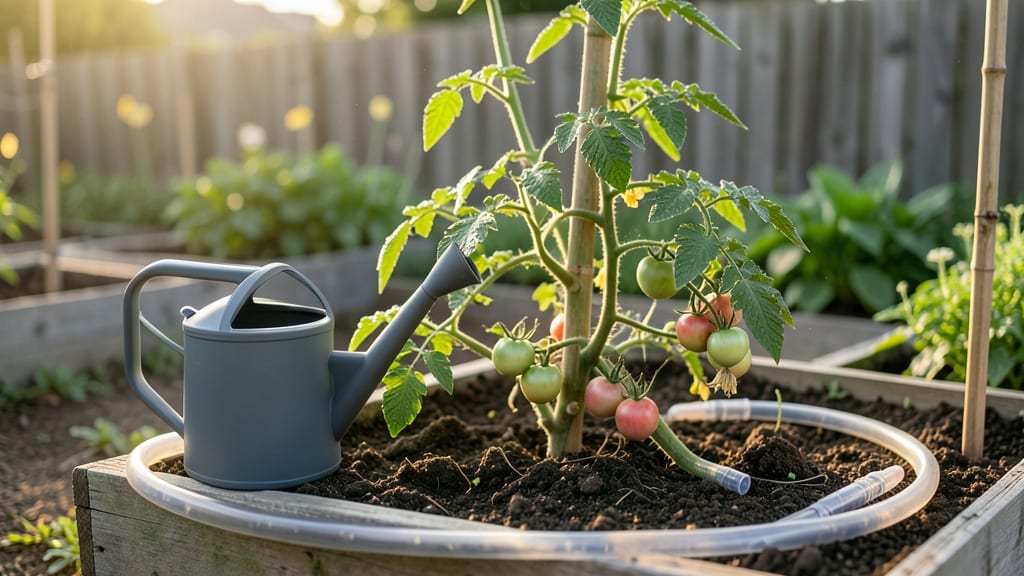
Watering your veg garden right from day one means the difference between lush harvests and wilted disappointment. I’ve learned that timing and technique matter more than how much water you use—overwatering is just as deadly as drought.
The key is getting the soil moist but never soggy, and knowing when each plant actually needs a drink.
Most gardeners guess, but the real secret is checking soil moisture with your fingers—about an inch deep. Morning watering keeps plants hydrated without encouraging fungal diseases, and mulch helps retain that moisture so you’re not out there every afternoon with the hose.
Drip irrigation saves time and water, but even a simple watering can works if you’re consistent.
You’ll see stronger stems, deeper roots, and bigger yields when plants get water at the right time—usually early morning. Tomatoes, peppers, and leafy greens all have different needs, but the rule stays the same: keep the soil evenly moist, not drenched.
The payoff? Fewer pests, fewer diseases, and vegetables that taste like they were grown with care.
Seasonal adjustments are everything—summer means more frequent watering, while winter might require none at all. Let’s break down how to keep your garden perfectly balanced, no matter what Mother Nature throws your way.
📚 In This Guide
- What you need
- Instructions
- Tips and common mistakes
- Wrapping up and next steps
What you need
- ● Watering Can: A 1–2 gallon can with a rose nozzle for gentle, even watering (great for seedlings).
- ● Hose with Adjustable Nozzle: A low-pressure, adjustable spray nozzle (e.g., 35°–80° spray pattern) for larger beds.
- ● Drip Irrigation Kit: Includes soaker hoses, emitters, and connectors (ideal for efficiency and automated watering).
- ● Watering Timer: A mechanical or smart timer (e.g., 10–60 minute range) to automate schedules.
- ● Garden Gloves: Lightweight, breathable gloves to protect hands while handling tools.
- ○ Moisture Meter: A digital soil moisture sensor (optional but helpful for precision watering).
- ● Rain Gauge: To monitor natural rainfall and adjust watering accordingly.
- ● Water Barrels or Rainwater Collection System: For sustainable, chemical-free water.
- ● Mulch: Straw, wood chips, or compost to retain soil moisture and reduce evaporation.
- ● Funnel or Pouring Spout: Attaches to hoses/cans for targeted watering of delicate plants.
- ● Wheelbarrow: For transporting water or tools to remote garden spots.
Step-by-Step instructions for watering a vegetable garden
Here’s how to keep your veggies thriving with the right moisture—no guesswork, just results.
Check Soil Moisture Before Watering
Stick your finger 1-2 inches deep into the soil. If it feels dry at that depth, it’s time to water. I test this in the morning—afternoon heat can make soil feel dry when it’s still damp underneath. Sandy soil drains fast, so you’ll need to check more often than clay, which holds moisture longer.
Look for wilting leaves as another clue, but don’t wait until plants look thirsty. By then, roots may already be stressed. Water deeply when the topsoil feels dry to the touch, not just the surface. This ensures roots grow downward where moisture lasts.
Water at the Right Time of Day
Early morning—between 6 and 9 AM—is the best time to water. This gives plants all day to absorb moisture before evening heat evaporates it. Avoid watering in the late afternoon or evening, as wet foliage overnight invites fungal diseases like powdery mildew or blight.
If you must water later, aim for drip irrigation or soaker hoses to keep leaves dry. I’ve seen entire rows of tomatoes ruined by evening watering—don’t let that happen to your garden. Consistency matters more than volume; stick to the same schedule unless a heatwave hits.
Use Deep, Infrequent Watering
Give your veggies 1-2 inches of water per week, delivered in one deep session rather than daily sprinkles. This encourages roots to grow deep, making plants more drought-resistant. Use a rain gauge or tuna can to measure—eyeballing it leads to over- or under-watering.
For new seedlings, water lightly every 2-3 days until they establish roots. Once plants are 2-3 inches tall, switch to deep watering. You’ll know you’re doing it right when soil stays moist 6 inches down and weeds stay dormant—another sign of proper hydration.
Adjust for Weather and Plant Needs
During hot, dry spells, increase watering to 1.5 inches per week, splitting it into two sessions if needed. Leafy greens like lettuce and spinach need consistent moisture, while root crops like carrots and potatoes prefer slightly drier soil. Always water at the base of plants, not overhead, to prevent disease.
Mulch with 2-3 inches of organic matter (like straw or grass clippings) to lock in moisture and keep roots cool. I’ve cut watering needs in half since adding mulch—it’s a game-changer. Watch for puddles or runoff; if water pools, spread it out or reduce flow to avoid root rot.
Monitor and Troubleshoot Common Issues
Yellowing leaves often mean overwatering, while crispy edges signal underwatering. Both problems start at the soil level—check moisture before blaming the plants. If leaves wilt in the heat but perk up in the morning, the plant is thirsty but not dead. Give it a deep drink and shade it temporarily.
Blossom-end rot on tomatoes or peppers? That’s a calcium deficiency triggered by uneven moisture. Keep soil consistently damp, not soggy, and add crushed eggshells to the soil for extra calcium. Adjust your watering routine based on what you see—every garden is different, and so are its needs.
Tips & tricks for perfect vegetable garden watering
Mastering the art of watering your vegetable garden takes more than just turning on the hose—it’s about understanding your plants' needs and adapting to your environment. Here’s how to avoid common pitfalls and get the most out of every drop.
Soil Test Technique: When checking soil moisture in Step 1, press your finger in firmly—surface dryness doesn’t tell the whole story. The key is that 1-2 inch depth. I’ve found that sandy soil often feels dry at the surface but still holds moisture deeper, while clay stays damp longer. For a more accurate test, use a soil moisture meter if you’re unsure, especially in containers where drainage varies.
Morning Watering Advantage: The 6-9 AM window in Step 2 isn’t just about timing—it’s about giving plants a full day to absorb moisture before evaporation kicks in. I’ve noticed that watering at 7 AM gives my tomatoes enough time to dry completely by evening, preventing fungal issues. If you must water later, use a watering wand with a gentle spray to avoid wetting leaves, or switch to drip irrigation entirely for problem plants.
Deep Watering Secrets: That 1-2 inch weekly measurement in Step 3 might seem abstract, but here’s how to visualize it: A standard rain gauge or even a clean tuna can placed in your garden will show you exactly when you’ve reached the target. For seedlings, I’ve found that using a spray bottle for those first 2-3 days helps prevent disturbing tender roots while keeping them hydrated. The goal is to encourage roots to grow downward where moisture persists, not just stay shallow for quick surface water.
Mulch Matters More Than You Think: The 2-3 inches of organic mulch mentioned in Step 4 isn’t just for looks—it’s a game-changer for moisture retention. I’ve seen watering needs drop by nearly 40% after adding straw mulch. For best results, keep mulch about 2 inches away from plant stems to prevent rot. And here’s a pro tip: Refresh mulch every few months as it breaks down, adding a thin layer of compost along with it for extra nutrients.
Pro Tips for Watering Veg Garden
- Mastering the art of watering your vegetable garden takes more than just turning on the hose—it’s about understanding your plants' needs and adapting to your environment.
- Soil Test Technique: When checking soil moisture in Step 1, press your finger in firmly—surface dryness doesn’t tell the whole story.
- Morning Watering Advantage: The 6-9 AM window in Step 2 isn’t just about timing—it’s about giving plants a full day to absorb moisture before evaporation kicks in.
Frequently asked questions
Got questions about keeping your veggie garden lush and hydrated?
You’re not alone! Here are answers to the most common watering woes—plus a few pro tips to keep your plants happy and productive.
How often should I water my vegetable garden?
Most veggies need 1–1.5 inches of water per week, including rainfall. Water deeply 2–3 times a week (early morning is best) rather than daily shallow sprinkles. Drip irrigation or soaker hoses help maintain moisture without waste. Adjust for heat—drought-tolerant crops like tomatoes may need extra during summer.
What’s the best time of day to water?
Water between 6 AM and 10 AM to reduce evaporation and fungal risks. Avoid evening watering—wet foliage overnight invites diseases like powdery mildew. If you must water later, use drip systems to target roots directly and minimize leaf dampness.
Can I use rainwater or graywater for my veggie garden?
Rainwater is chemical-free and ideal for plants. Graywater (from sinks/showers) is safe for non-edible parts (like leafy greens’ roots) if untreated. Avoid soapy water or salts. Collect rainwater in barrels and filter if needed—your plants (and wallet) will thank you!
Why are my vegetable leaves turning yellow or wilting?
Yellow leaves often signal overwatering or poor drainage. Wilting can mean underwatering or root stress. Check soil moisture 1–2 inches down—it should feel damp, not soggy. Adjust your watering schedule, improve drainage with compost, or mulch to retain moisture. Pests or disease? Inspect leaves for spots or bugs!
How do I water veggies in extreme heat or cold?
In heatwaves, water deeply every 2–3 days and mulch to lock in moisture. For frosty mornings, water roots (not leaves) before sunrise to insulate soil. Group heat-lovers (peppers, cucumbers) together to create microclimates. Slow-drip systems work best in both extremes—consistency is key!
Wrapping up and next steps
Mastering the art of watering your veggie garden isn’t just about keeping plants alive—it’s about unlocking their full potential! 🌱 With the right timing, tools, and techniques, you’ll enjoy lush, productive harvests all year. Whether you’re a seasoned gardener or just starting out, consistency and observation are your best friends.
Ready to take the next step? Start by tracking your garden’s progress—note what works and what doesn’t, and adjust as the seasons change. Soon, you’ll be growing thriving, bountiful veggies with confidence! 🌟