
Blooming
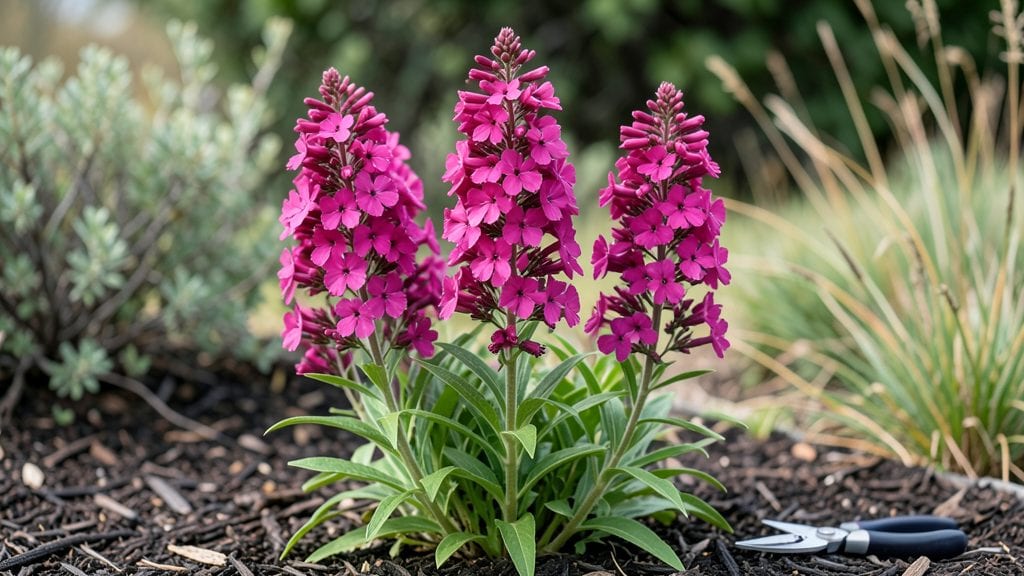
Garden phlox bloom in late June through August 🌸, turning your garden into a fragrant, colorful showstopper when timed right.
If you love vibrant summer blooms, garden phlox could be your secret weapon—but timing is everything. Knowing exactly when these fragrant flowers burst into color helps you plan your garden for maximum impact and minimal disappointment.
These hardy perennials thrive in USDA Zone 6a and beyond, with early varieties often opening as soon as early June in warmer climates. The key to long-lasting blooms? Planting in well-draining soil with full sun to partial shade and deadheading spent flowers regularly.
In this guide, I’ll break down the exact months to expect blooms in your region, how to extend their season, and the simple care tricks that keep them flowering until fall.
Garden phlox blooming seasons: exact months by US hardiness zones
Planning your garden around garden phlox bloom times ensures you’ll enjoy their vibrant clusters from early summer through fall. These fragrant perennials thrive in USDA zones 3-9, but their exact bloom windows shift dramatically depending on where you live.
In cooler northern zones, expect blooms as early as June, while southern gardens may see flowers stretch into October. Understanding these variations helps you choose the right varieties and timing for your region’s climate.
Phlox blooms are famously prolonged when given proper care, but their peak bloom periods vary by zone. For example, zone 3 gardeners often see their first flowers in late June, while zone 9 gardens might enjoy blooms starting in May and lasting until November.
Even within a single zone, microclimates—like urban heat islands or sheltered garden spots—can shift bloom times by 2-4 weeks. Let’s break down the exact months for each zone, including adjustments for early, mid-, and late-season varieties.
🌸 Variety Tip: Tall garden phlox (like 'David' or 'Omega') typically blooms 2-3 weeks earlier than dwarf varieties (such as 'Lipstick' or 'Jeana'). This timing difference lets you stage your garden for a continuous color show from June through September.
🌡️ Climate Note: Southern regions (zones 7-9) often experience longer bloom seasons due to milder winters, while northern zones (3-5) may see shorter but more intense bloom periods. Heatwaves in zone 6+ can cause early bud drop, so afternoon shade helps extend blooms.
📅 Key Takeaway: Most phlox varieties bloom for 4-6 weeks if deadheaded regularly. In zone 4, for example, you might see June 15–July 30 blooms for standard types, while zone 8 gardens could enjoy flowers from May 1–September 15. Below is a detailed breakdown by zone to help you plan.
🌿 Pro Tip: For extended blooming, pair early varieties (like 'Blue Paradise') with late-season types (such as 'Pink Dawn'). This creates a sequential bloom effect that keeps your garden lively from late spring to early fall.
⚠️ Warning: Over-fertilizing with high nitrogen can delay blooming and produce leafy growth instead of flowers. Use a balanced 10-10-10 fertilizer sparingly—just 1 tablespoon per plant in early spring—to encourage strong, flower-heavy stems.
🌱 Soil Secret: Phlox prefers well-draining, slightly acidic soil (pH 6.0-7.0). Amending clay soil with compost or sand improves drainage and prevents root rot, which can stunt blooms. Test your soil in early spring to adjust pH if needed.
☀️ Sunlight Rule: While phlox tolerates partial shade, full sun (6+ hours daily) produces the most abundant blooms. In hotter zones (7-9), provide afternoon shade to prevent bud scorching, which can reduce bloom quantity by up to 30%.
🌧️ Watering Wisdom: Consistent moisture is key—deep watering 1-2 times per week encourages strong root systems. During peak bloom (July-August), increase frequency to every 5-7 days to prevent bud drop in heatwaves.
| USDA Zone | Early Bloom Start | Peak Bloom Period | Late Bloom End | Notes |
|---|---|---|---|---|
| Zone 3-4 | Late June | July 1–July 31 | Early August | Shortest season; mulch heavily for frost protection. |
| Zone 5 | Early June | June 15–August 15 | Late August | Ideal for tall varieties like 'David'. |
| Zone 6 | Mid-May | June 1–September 1 | Early September | Best for sequential planting of early/late types. |
| Zone 7 | Early May | May 15–October 1 | Mid-October | Longest bloom in continental climates. |
| Zone 8-9 | Late April
How to extend your phlox blooming season with simple gardening hacksGarden phlox typically bursts into color from mid-June to early August, but with a few strategic hacks, you can stretch those vibrant blooms well into fall. The key lies in understanding your phlox type—whether it’s garden phlox, meadow phlox, or dwarf varieties—and tailoring care to their needs. I’ve found that even a single adjustment in deadheading or soil prep can add weeks of extra blooms to my garden beds. One of my favorite tricks is companion planting, which not only deters pests but also creates a microclimate that keeps phlox thriving. For example, pairing phlox with catmint or lavender reduces stress on the plant, allowing it to focus energy on producing more flowers. Meanwhile, mulching with compost in early summer keeps roots cool and retains moisture, which is critical for prolonged blooming. 🌸 When Do Garden Phlox Bloom?
To extend your phlox’s season, start with deadheading—this isn’t just about looks. By snipping off spent blooms every 7-10 days, you encourage the plant to produce new flower buds instead of setting seed. I use clean, sharp pruners and cut just above a set of leaves to avoid damaging the stem. For tall garden phlox, this can add 3-4 weeks of blooms if done consistently. Soil health is another game-changer. Phlox thrives in well-draining, slightly acidic soil (pH 6.0-7.0). If your soil is heavy clay, amend it with compost or peat moss before planting. I also top-dress with a slow-release fertilizer in early spring to give phlox a steady nutrient supply. Avoid high-nitrogen fertilizers, though—they promote leafy growth at the expense of flowers. For meadow phlox, which is hardier and often blooms later, focus on minimal intervention. These varieties are more drought-tolerant and benefit from wildflower-style planting where you let nature take its course. Pair them with native grasses like switchgrass to create a low-maintenance, long-blooming display that attracts pollinators well into autumn. Finally, don’t underestimate the power of watering habits. Deep watering once a week (or more in hot, dry spells) encourages strong root growth, which translates to more blooms. I water mine early in the morning to reduce evaporation and fungal risks. If your phlox starts to wilt, a good soak can often revive it quickly—just avoid letting the soil stay soggy. With these hacks, my phlox beds stay in bloom from late June to October, turning my garden into a fragrant, colorful oasis that neighbors envy. The best part? These techniques work for almost any phlox variety**, so you can experiment without risking failure. |