Picking
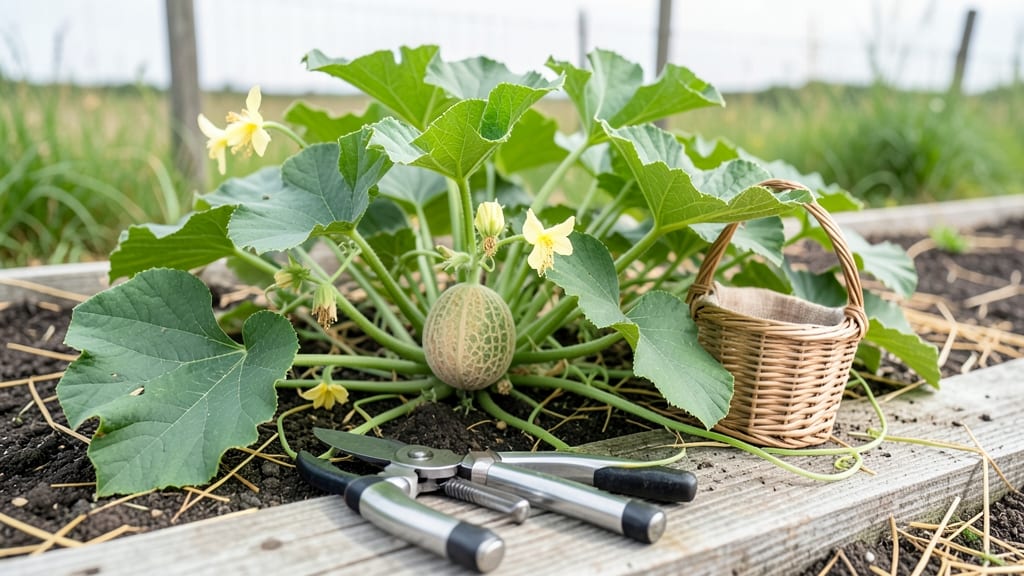
Knowing when to harvest cantaloupe from the garden transforms a bland melon into a burst of sunshine-sweet perfection.
Picking cantaloupe at the wrong time means bitter, underripe fruit—or worse, letting perfectly ripe melons rot on the vine. The key is knowing when to act, and it’s easier than you think.
Look for a cream-colored patch near the stem, a strong sweet aroma, and a vine that detaches with a gentle twist. These three signs are your green light to harvest, ensuring peak flavor and texture.
In this guide, I’ll walk you through the exact cues to watch for—plus what to do if you miss the window—so you never waste another cantaloupe again.


3 Visual and physical signs your cantaloupe is perfectly ripe
Harvesting cantaloupe at the right moment transforms your garden into a sweet, juicy treasure chest. But timing is everything—wait too long, and you risk overripe melons with mushy flesh. Ripe cantaloupe should be harvested when it’s visually mature, physically ready, and aromatically irresistible.
These three key indicators will help you avoid the heartbreak of bitter, underripe fruit or wasted overripe melons.
Many gardeners make the mistake of relying on days to maturity alone, but cantaloupe ripens based on environmental cues, not just time. Heat waves, humidity levels, and even soil moisture all play a role.
That’s why learning to read your cantaloupe’s visual and physical signals is the secret to perfect harvests every season. Let’s break down the three foolproof signs you’ve been missing.
🌱 When to Harvest Cantaloupe from Garden
- 1. Rind Color Change: Look for a cream or tan blush near the stem. The ground spot (where the melon rests on the vine) should turn from white to yellowish-beige. Avoid green rinds—they’re not ready!
- 2. Stem Slip Test: Gently twist the fruit’s stem near the vine. If it slips free with slight pressure, it’s ripe. A stubborn stem means more time on the vine is needed.
- 3. Sweet Aroma Near Stem: Cradle the melon and sniff the stem end. A powerful, sweet fragrance (like honey or musk) signals ripeness. No smell? It’s not ready yet.
Pro Tip: Combine these signs for 100% accuracy. A melon with two out of three may still need 1-2 more days.
Let’s start with the most obvious clue: color changes. A ripe cantaloupe’s rind near the stem will shift from white or pale green to a cream or tan hue. This is your first green light.
Pay close attention to the ground spot (the area touching the soil)—it should turn yellowish-beige. If the entire melon is still fully green, it’s not ready, no matter how big it looks.
Next, perform the stem slip test, a trick I swear by after years of trial and error. Grasp the fruit’s stem between your thumb and forefinger and give it a gentle twist. If the stem detaches easily (like unscrewing a jar lid), your cantaloupe is perfectly ripe.
If it resists, leave it on the vine for another 1-3 days. This test works because ripe cantaloupes naturally separate from the vine as they mature.
Now, engage your sense of smell—the scent test is non-negotiable for true ripeness. Hold the cantaloupe near your nose and focus on the stem end. A ripe cantaloupe releases a sweet, musky aroma that’s impossible to ignore. Think honey, musk, or even a faint floral note.
If you’re met with no smell or a mild vegetable scent, the melon needs more time. This is your body’s way of telling you, “Not yet!”
Here’s where many gardeners go wrong: they harvest based on size alone. A cantaloupe can be large but still underripe if it lacks these key signals. I’ve seen football-sized melons that were hard as a rock inside because they were picked too early.
Always combine color, stem slip, and scent for the best results.
Regional variations can tweak these signs slightly. In hot, dry climates, cantaloupes may ripen faster and develop darker tan patches near the stem. In cooler, humid areas, the color change might be softer and slower.
But the stem slip test and scent check remain universally reliable. When in doubt, wait one more day—ripe cantaloupe won’t get sweeter after harvest.
One common mistake is harvesting cantaloupe too late, leading to overripe, mushy fruit. Overripe cantaloupes often have a fermented smell (like a mix of sweet and sour) and a soft, squishy texture.
If you notice cracks or wrinkles on the rind, it’s a red flag. Harvest before these signs appear—once a cantaloupe overripens on the vine, it’s game over for flavor.
To practice these signs, start checking your cantaloupes 3-5 days before you expect them to ripen. Keep a small notebook by your garden to track color changes, stem slip progress, and scent development.
Over time, you’ll develop an instinct for perfect ripeness. Trust me, your future self (and your taste buds) will thank you.
Remember, the goal is sweet, juicy cantaloupe that’s bursting with flavor. By mastering these three visual and physical signs, you’ll never again guess whether your cantaloupe is ready—or risk wasting a perfect harvest. Now go enjoy that homegrown sweetness you’ve earned! 🍈
How to test cantaloupe ripeness without cutting it open (pro tips)
Testing cantaloupe ripeness without cutting into it is all about using your senses and a little gentle pressure. The key is to look for three reliable signs: the stem condition, the fruit's aroma, and how easily it separates from the vine.
These methods help you avoid the disappointment of underripe or overripe melons while ensuring you harvest at peak sweetness.
Start by examining the stem end of the cantaloupe. A ripe cantaloupe will have a cream-colored or tan blush near the stem, replacing the white or green hue you see on unripe fruit.
This color change indicates the fruit has been maturing on the vine. The beeline—a natural crease running from the stem to the blossom end—also darkens to a golden-brown color when ripe.
Next, give the cantaloupe a gentle squeeze near the blossom end. A ripe cantaloupe will feel heavy for its size and yield slightly to pressure, like a ripe avocado.
If it feels firm and light, it’s not ready yet. This thumb pressure test is one of the most reliable tricks to avoid picking melons too early.
Don’t forget to sniff the stem end. A ripe cantaloupe releases a powerful, sweet aroma near the stem—almost like a mix of honey and musk. If it smells mild or sour, the fruit needs more time on the vine.
This scent is your best indicator of peak sweetness, so trust your nose!
For extra confirmation, check the fruit’s underside. Look for a net-like pattern that becomes more pronounced as the melon ripens. While this isn’t a foolproof method, it’s another clue that the cantaloupe is nearing maturity. Combine this with the other signs for the most accurate results.
If you’re still unsure, harvest a few cantaloupes at once and let them ripen indoors. Place them in a paper bag with a banana or apple to speed up the process—ethylene gas from the fruit will help soften the melons.
Within 2-3 days, you’ll know if you’ve hit the sweet spot or need to wait longer.