
Picking
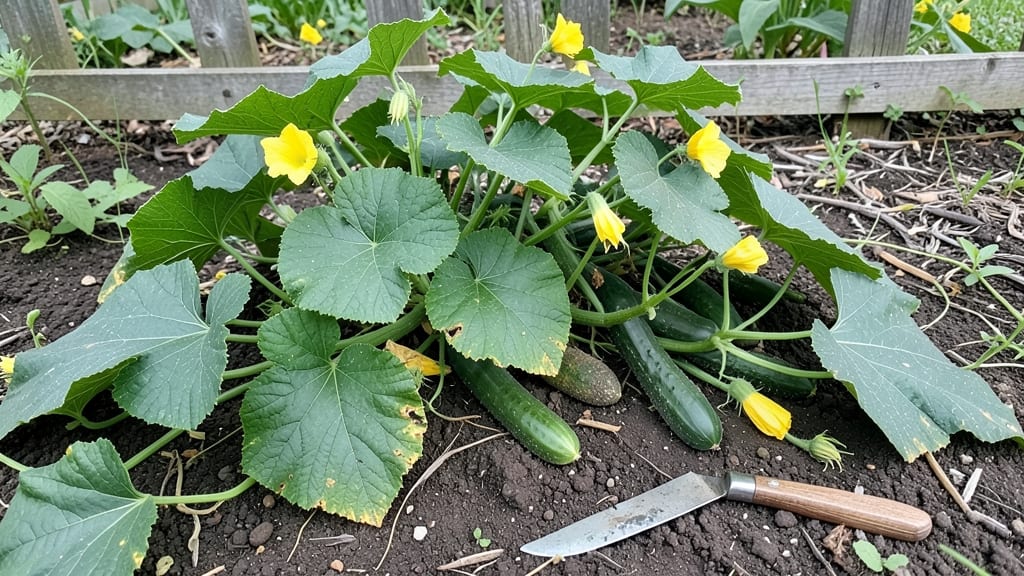
Harvest cucumbers from garden when they reach 6 to 8 inches long, with firm skin and vibrant green color, ideally before seeds turn yellow for the best flavor and texture. Regular picking encourages more production and prevents bitterness.
Timing your harvest makes all the difference in flavor and yield.
Cucumbers develop bitterness as they overripen, triggered by the conversion of cucurbitacin—a natural compound—into more pronounced forms. 🌱 I’ve noticed that morning harvests often yield fresher produce since the plants have absorbed moisture overnight, while afternoon picking can stress vines if done excessively.
Varieties like Persian cucumbers mature faster (around 5-6 inches) compared to standard slicing types, so always check your plant’s specific guidelines.
Another pro tip: Use a sharp knife or pruners to avoid damaging the vine, and leave a small stem attached to prevent rot. Storing harvested cucumbers in a cool, dark place—like a crisper drawer—extends their freshness for up to 1 week, though they’ll soften faster than store-bought varieties.
Regular harvesting isn’t just about flavor; it signals the plant to keep producing, potentially doubling your yield over the season.
💡 In This Article
- Cucumber Ripening Stages and Flavor Development
- Best Practices for Harvesting Cucumbers at Peak Freshness
Cucumber ripening stages and flavor development
Cucumbers undergo three distinct ripening phases that dramatically impact their taste and texture. The journey begins with pollination, where flowers develop into small, pale green fruits.
During this early development stage (days 7-14), the fruit grows rapidly but lacks sweetness, containing only 2-3% soluble solids—the compounds responsible for flavor. This is when you'll notice the skin developing a faint waxy bloom, a natural protective layer that thickens as the fruit matures.
The optimal harvest window occurs during the mid-ripening stage, typically when cucumbers reach 6-8 inches and exhibit vibrant dark green skin with a slight sheen. At this point, their soluble solids content peaks at 4-6%, delivering that crisp, refreshing crunch we associate with perfect cucumbers.
The flesh remains thin-walled and tender, with seeds still white or pale green—far from the yellow, shriveled state that signals overripeness. 🌿 What's happening chemically? The plant is converting starches into sugars at this stage, creating that mild sweetness you taste in fresh garden cucumbers.
Here's where things get interesting: the late ripening stage triggers the bitterness we all dread. As cucumbers continue growing beyond 9 inches, their cucurbitacin E levels—natural compounds that become bitter when concentrated—can spike to 100+ mg/kg (compared to 10-20 mg/kg in properly harvested cucumbers).
The seeds darken to yellow-brown, and the skin thickens into a leathery texture. This isn't just about size—temperature plays a role too. Cucumbers grown in hotter-than-85°F conditions develop bitterness faster due to accelerated metabolic processes.
Let me share a personal observation from my garden: I once let a batch of Marketmore cucumbers grow to 12 inches "just to see." The result? A mouthful of seedy, bitter disappointment that could barely be salvaged for pickling.
The texture had turned almost woody, and the flavor was dominated by that unpleasant cucurbitacin kick. This is why professional growers harvest every 2-3 days during peak season—it's not just about yield, it's about preventing the plant from "giving up" on producing more flavorful fruits.
Color isn't just about aesthetics—it's a visual indicator of ripening stage. The deep green we seek comes from chlorophyll production, which peaks during optimal maturity. As cucumbers overripen, chlorophyll breaks down while carotenoids (yellow pigments) become more visible.
This color shift coincides with the development of secondary cell walls in the fruit's structure, making the flesh tougher and less palatable. The skin also becomes harder to penetrate with a fingernail—a simple test that saves many a cucumber from the compost bin.
For those curious about varieties, English cucumbers (like 'Telephone') and Persian cucumbers ('Persian Magnum') have thinner skins and fewer seeds, meaning their optimal harvest window is slightly earlier (4-6 inches) and their flavor profile stays sweeter longer.
These types convert starches to sugars more efficiently, giving them that naturally sweet taste even when harvested young. It's a great example of how plant breeding can influence ripening characteristics!