
Picking
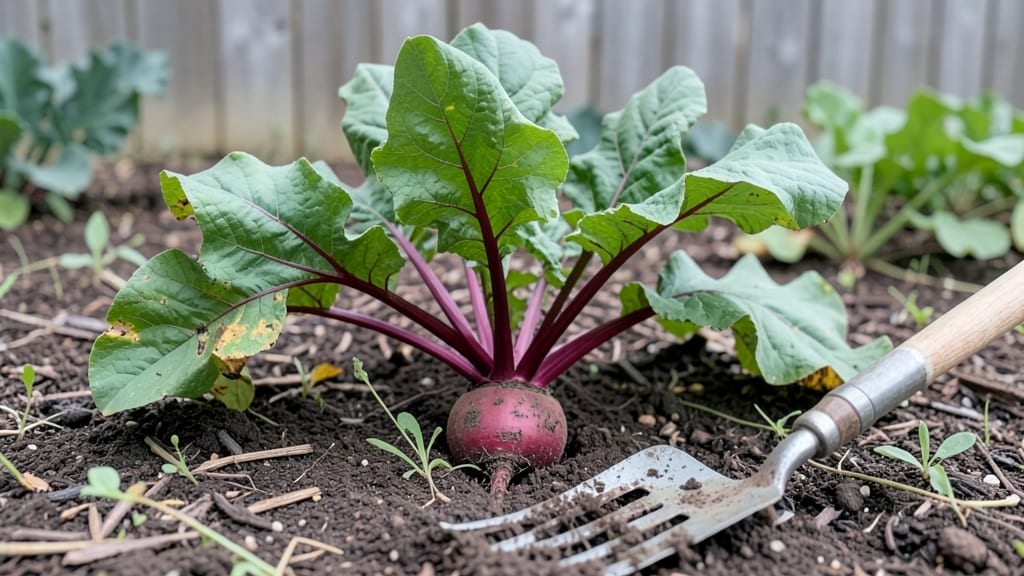
Picking beets from the garden at the right time means tender, sweet roots instead of tough, bitter ones—so don’t wait until the leaves start yellowing.
Harvesting too early gives you tiny, underdeveloped roots, while waiting too long turns them woody and less flavorful. The trick is catching them at 45-70 days when the roots are 1-3 inches wide and the tops are 4-6 inches tall—that’s when they’re at their peak.
Check the soil first: gently loosen the dirt around the base to see if the root is smooth and firm. If the skin feels rough or the leaves are wilting, you’ve missed the window. A quick tug will tell you if it’s ready to pull—no need for fancy tools.
Once you’ve mastered the timing, you’ll never waste another beet again. Below, I’ll walk you through the exact visual cues and soil tests to guarantee a perfect harvest every time.


How to check beet root size & soil conditions for harvest
Knowing when to pick beets from your garden depends on two key factors: root size and soil conditions. Baby beets are ready in 45-60 days, while mature roots take 70-90 days.
The soil should feel firm but not rock-hard—this indicates the roots have reached their ideal density. If you pull too early, you’ll get undersized roots, but waiting too long makes them woody and bitter.
Start by checking the root diameter—aim for 1-3 inches for baby beets or larger for mature varieties. Gently brush away soil around the base of the plant to expose the root without damaging it.
Pay attention to soil resistance; if the soil clings tightly to the root, it’s likely ready for harvest. Overly loose soil may mean the root isn’t fully developed yet.
Use these visual cues to avoid common mistakes: look for smooth, vibrant skin and deep, consistent color. If the beet feels soft or the skin is rough, it’s either underdeveloped or overripe.
The top leaves should be 4-6 inches tall and healthy, not yellowing or wilting. These signs confirm your beets are at peak tenderness and flavor.
🚨 PRO TIP: Harvest in the morning when soil is cooler and moister. This reduces stress on the plant and makes it easier to pull clean roots from the ground.
Step-by-Step: How to Check Beet Readiness
-
Step 1: Check Plant Age
Refer to your seed packet for days to maturity. Baby beets are ready at 45-60 days, while mature varieties take 70-90 days. -
Step 2: Expose the Root
Use your hands or a small trowel to gently loosen soil around the beet’s base. Expose 1-2 inches of root to assess size and texture. -
Step 3: Test Root Diameter
Measure the widest part of the root. Baby beets should be 1-2 inches wide, while mature beets reach 3-4 inches or larger. -
Step 4: Check Soil Firmness
Press your finger into the soil near the root. It should feel firm but not hard. Loose soil means the root isn’t fully developed; compact soil may indicate over-maturity. -
Step 5: Inspect Skin Texture
Run your fingers over the root’s surface. It should feel smooth and taut. Rough or cracked skin means the beet is past its prime. -
Step 6: Evaluate Leaf Health
Healthy leaves should be deep green and vibrant. Yellowing or wilting leaves signal it’s time to harvest before the plant diverts energy to seed production. -
Step 7: Taste Test (Optional)
For a final check, dig up one beet and taste a small piece. Sweet, crisp flavor confirms it’s ready; bitter or fibrous texture means it’s overripe.
If your beets meet all these criteria, it’s time to harvest! Use a fork or spade to loosen the soil around the root, then grip the beet’s top leaves and pull gently.
Avoid twisting, as this can damage the root. Rinse off excess soil with water, but don’t peel the skin—it protects the beet and keeps it fresh longer.
For continuous harvests, plant beets in successive batches every 2-3 weeks. This ensures a steady supply of fresh beets throughout the growing season.
Store harvested beets in the crisper drawer of your refrigerator for up to 2 weeks, or preserve them by canning, freezing, or fermenting for long-term storage.
One common mistake is waiting too long to harvest, which leads to woody, tough roots. Another is harvesting when the soil is too dry or too wet, making it difficult to pull clean roots.
Always aim for consistent moisture in the soil leading up to harvest for the best results.
🌱 PRO TIP: Keep a harvest journal to track beet varieties, planting dates, and ideal harvest times. This helps you refine your timing for future seasons and ensures you never miss the perfect moment to pick your beets.
Leaf color & growth patterns that signal perfect picking time
Your beets are whispering to you—literally! The leaf color and growth patterns shift dramatically as roots reach peak sweetness. Pay attention to these subtle cues, because harvesting too early means underdeveloped flavor, while waiting too long turns tender roots woody and bitter.
I’ve learned the hard way that yellowing leaves or stunted growth don’t always mean trouble—they’re often your garden’s way of saying, "It’s time!"
For baby beets, watch for bright green leaves that start curling slightly at the edges—a sign the roots have reached 1-2 inches in diameter.
Meanwhile, mature varieties like Detroit Dark Red or Chioggia will show deepening leaf color (from light green to a rich, almost purple hue) as the roots swell. These visual signals align with the 45-70 day growth window, but climate plays a role too.
🚨 summary table 🚨
| Beet Variety | Leaf Color Cues | Growth Signal | Harvest Window |
|---|---|---|---|
| Baby Beets (e.g., Little Ball) | Bright green, slight yellowing at edges | Leaves 3-4 inches tall, roots 1-2 inches | 45-50 days after sowing |
| Mature Beets (e.g., Detroit Dark Red) | Deep green to purple-red hues | Leaves 6-8 inches, stem thickening | 60-70 days after sowing |
| Chioggia (Striped) | Rich green with purple veins | Leaves 5-6 inches, growth slows | 55-65 days after sowing |
| Golden Beets (e.g., Golden) | Yellow-green leaves, slight wilting | Leaves 4-5 inches, roots firm | 50-60 days after sowing |
Seasonal shifts complicate things. In cool spring or fall harvests, beets grow slower, so focus on leaf texture—firm, crisp leaves indicate readiness, while floppy or yellowing foliage suggests stress (likely from overcrowding or drought).
Meanwhile, summer-grown beets may show heat stress with curled, brown-edged leaves, but the roots can still be perfect if the soil stays moist.
Don’t ignore the stem thickness either. When you gently pinch the main stem, it should feel sturdy but not woody. If it snaps easily, the beet’s still growing; if it resists, you’ve missed the window.
Pro tip: Early morning harvests after watering make roots easier to pull and preserve their sweetness.
For continuous harvests, like with baby beet varieties, thin seedlings every 2 weeks to avoid competition. The outer leaves will yellow first—this is normal! But if entire plants wilt or leaves turn brown and crispy, it’s a cry for help (usually overwatering or pest damage).
Remember: Beets store well if harvested at the right time, but flavor degrades fast if left too long. Once you master these leaf and growth cues, you’ll never guess again—just pull, rinse, and enjoy that perfect earthy-sweet crunch. 🌱