Picking
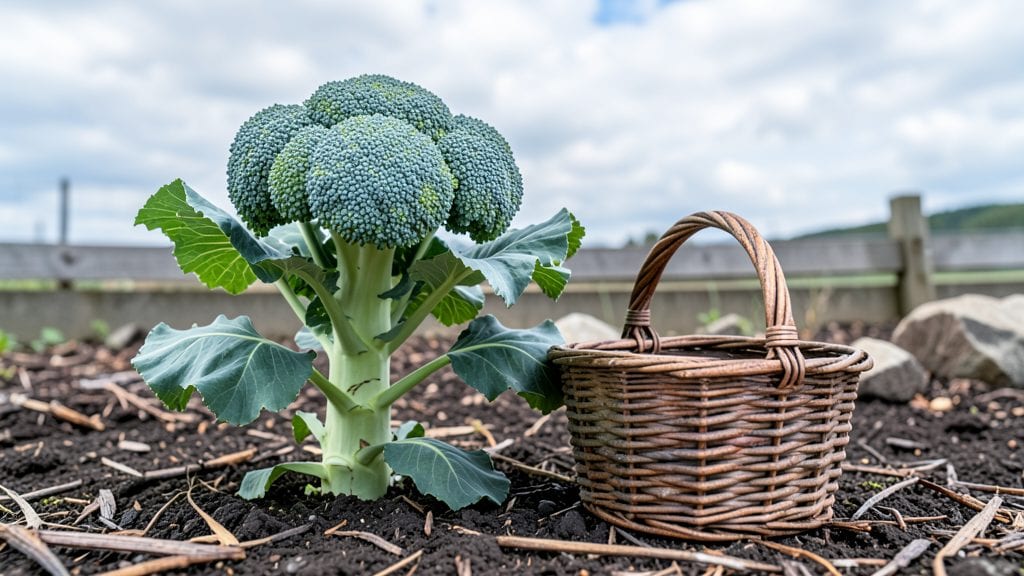
Picking broccoli from the garden at the right time turns a simple harvest into a flavor-packed victory 🥦 — and the difference between a crisp, sweet side and a tough, bitter mess comes down to just a few key signs.
Harvesting broccoli at the perfect moment means the difference between a vibrant, flavorful side dish and a bitter, woody disappointment—yet most gardeners miss the window by days. One day too late, and those tight florets loosen into a sad, yellowing mess.
Too soon, and you’re left with underdeveloped heads that won’t hold up in a pan.
Here’s the secret: look for heads that are firm, compact, and deep green, with florets still tightly closed. The stem should feel sturdy when squeezed, and the crown beneath should already be sending up smaller side shoots—your next free harvest.
Skip the color-check, and you risk ending up with broccoli that tastes more like disappointment than dinner.
Below, I’ll break down exactly what to watch for—from the ideal size to the telltale signs of overripe broccoli—so you never miss another harvest. Plus, a few pro tips to keep your plants producing all season long.


How to identify perfect broccoli harvest time using color and size
Timing your broccoli harvest is an art—and missing the window by even a day can turn that crisp, sweet crown into something tough and bitter. The secret lies in watching for three key visual cues: bud tightness, floret color, and stem firmness.
When these align perfectly, you’ve hit the peak flavor window. I’ve learned this the hard way after harvesting heads that were either too small or already flowering! The good news? These signs are easy to spot once you know what to look for.
Start by checking the bud tightness—this is your first clue. The ideal broccoli head should feel firm and compact, with florets pressed tightly together like a closed fist. If you see gaps between the buds or the center is starting to open, you’ve waited too long.
Think of it like a puzzle piece: every floret should fit snugly against its neighbor. Pro tip: Gently squeeze the head—if it springs back, it’s ready. If it feels soft or mushy, it’s past its prime.
Floret color is your second checkpoint. The perfect head boasts a deep, vibrant green, almost like a rich emerald. Any yellowing or browning means the plant has started converting starches into sugars for flowering, which makes the broccoli bitter and woody. I once harvested a batch that had just a hint of yellow and regretted it—my family turned up their noses at the dinner table! Pay close attention to the outer edges of the florets too; they should match the center in color.
The stem diameter is often overlooked but equally important. A ready-to-harvest broccoli stem should be thick and woody at the base, about the size of your thumb. Thin or hollow stems indicate the plant is still maturing. Run your fingers along the stem—it should feel solid, not spongy.
This thickness ensures the head has enough energy stored to deliver that sweet, crisp texture we all love. Overlooking this can lead to a disappointing harvest that’s more rubbery than delicious.
| Stage | Visual Cues | Action | Days After Planting |
|---|---|---|---|
| Early Growth | Small buds forming, light green | Monitor closely; no harvest | 45-55 |
| Ideal Harvest | Tight buds, deep green, 2-4" diameter | Harvest immediately | 65-75 |
| Overripe | Yellowing, loose florets, hollow stem | Discard or compost | 80+ |
| Side Shoots | New buds appear after harvest | Harvest when 1-2" wide | 70-90 |
Don’t forget to check the leaves at the base of the plant—they’re a hidden indicator of health. Healthy leaves should be dark green and vibrant, not yellowing or wilted.
Stressed leaves can signal that the plant is diverting energy away from the head, which often means the broccoli won’t reach its full potential. I once ignored wilted leaves on my broccoli plants, and the heads that formed were small and tough.
Since then, I’ve made it a habit to inspect the foliage alongside the main head.
Temperature plays a sneaky role too. Broccoli grows best in cool weather (55-75°F), and heat stress can accelerate ripening. If your area is experiencing a heatwave, check your plants daily—they may ripen faster than usual.
I’ve had to harvest broccoli a full week early during summer heatwaves, and while it wasn’t as large, the flavor was still excellent. The key is to stay proactive and adjust your harvesting schedule based on your local climate.
Here’s a pro move: Harvest in the morning when temperatures are coolest. This ensures the broccoli has had a full night to recharge its moisture and nutrients, resulting in a crisp, juicy head.
I always grab my pruners and head out to the garden first thing in the morning—it’s a habit that’s paid off with the best-tasting broccoli. Plus, harvesting in the morning gives you time to prep the broccoli for storage or cooking without it wilting in the heat.
One of my biggest mistakes was waiting until the broccoli heads were too large—I thought bigger meant better, but I ended up with tough, fibrous florets. The ideal size is 2-4 inches in diameter. Anything larger is likely past its prime.
Think of it like a goldilocks zone: too small means it’s not fully developed, but too large means it’s overripe. The sweet spot is when the head is fully formed but still compact. This balance is what delivers that perfect crunch and sweetness.
Finally, know when to cut your losses. If you see yellowing florets or a hollow stem, it’s time to let that head go. Overripe broccoli won’t improve—it’ll only get tougher and more bitter. Instead, focus on harvesting any side shoots that may still be forming.
These smaller heads often appear after the main harvest and can be just as delicious. I’ve extended my broccoli season by weeks simply by keeping an eye out for these side shoots.
Mastering the art of timing your broccoli harvest takes practice, but once you’ve got these visual cues down, you’ll never miss the window again. The payoff? A garden full of vibrant, flavorful
Step-by-step broccoli harvesting guide for maximum yield
Timing your broccoli harvest correctly ensures you get the most flavorful, tender heads while encouraging your plant to produce secondary side shoots. The best time to harvest is in the morning after dew has dried, when the heads are crisp and full of moisture.
Cutting in the afternoon can leave stems vulnerable to wilting or disease from excess heat and humidity.
Your broccoli is ready when the main head reaches 3-6 inches in diameter and the buds are tightly closed. If you wait too long, the florets will start to yellow or open, turning bitter and woody.
A clean cut is key—use the right tools and techniques to avoid damaging the plant and maximize future yields.
How to Harvest Broccoli for Maximum Yield
-
Step 1: Pick the Right Time
Harvest in the early morning when temperatures are cool. Avoid harvesting after noon to prevent heat stress on the plant.
-
Step 2: Use the Correct Tools
Use a sharp knife or pruning shears to make a clean cut. Avoid tearing the stem, which can damage the plant and reduce future yields.
-
Step 3: Cut at the Right Angle
Slice the stem 1-2 inches below the main head at a 45-degree angle. This allows water to drain away from the cut, reducing rot risk.
-
Step 4: Harvest Side Shoots
After cutting the main head, small side shoots will grow from the stem. Harvest these when they reach 2-3 inches for smaller, tender florets.
-
Step 5: Store Properly
Store harvested broccoli in the crisper drawer of your fridge for up to 5-7 days. For longer storage, blanch and freeze.
Never use dull or rusty tools, as they can introduce bacterial infections to your broccoli plant. Always sterilize your knife or shears with rubbing alcohol before and after use. This simple step keeps your garden healthy and productive for the entire season.
One of my favorite tips is to harvest side shoots regularly. These smaller florets are often sweeter and more tender than the main head. By cutting them early, you encourage the plant to produce even more side shoots, giving you a continuous harvest for weeks.
If you notice your broccoli plant starting to bolt or flower too early, it’s a sign of stress—likely from heat or drought. In this case, harvest immediately and focus on preventing future bolting by providing consistent water and shade during hot spells.