
Picking
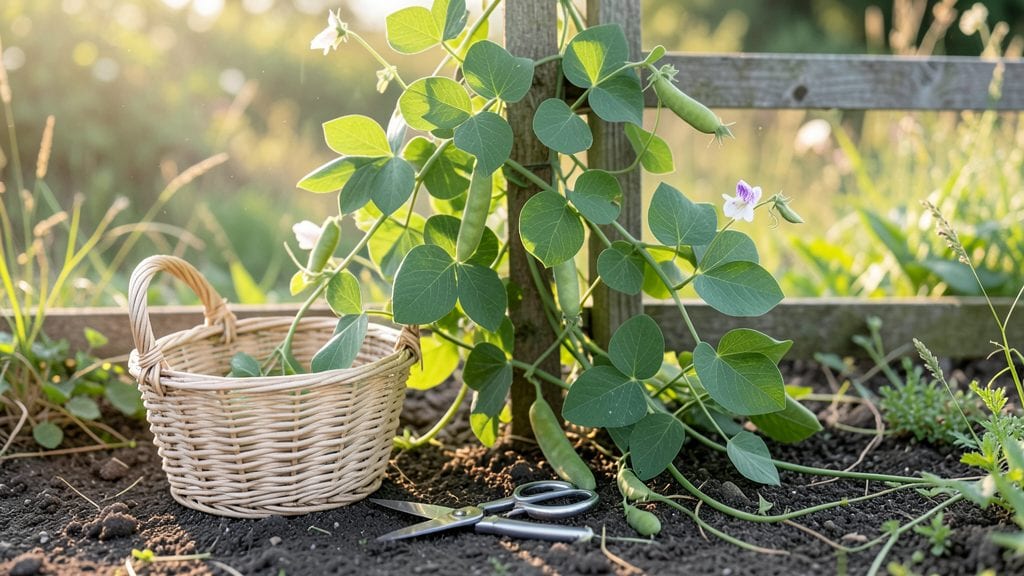
To pick peas from your garden at their sweetest, aim for pods that are 1.5–2.5 inches long and vibrant green 🌱—any later, and the peas inside turn starchy and tough.
Peas are one of the fastest-growing vegetables in your garden—but timing their harvest wrong means sacrificing sweetness and yield. Knowing exactly when to pick peas transforms your harvest from bland to burstingly flavorful, and this guide reveals the pod size, color, and texture cues every gardener should watch for.
Most varieties reach peak flavor in 60–70 days, but skipping just a few days can make the difference between tender, crisp pods and overripe, mealy ones. Even a single missed harvest can signal the plant to stop producing, so checking your rows every 2–3 days is key.
Here, you’ll learn the exact visual clues to watch for—from pod firmness to seed plumpness—and how to adjust for your climate, whether you’re growing snaps, shellers, or sugar peas.


Pea pod size & color: the exact timing for sweetest harvest
Timing your pea harvest is everything—pick too early, and you’ll get underdeveloped pods with weak flavor. Wait too long, and those same peas turn starchy and tough.
The secret lies in pod size, color cues, and texture signals, which vary slightly between varieties like snap peas and shelling peas. Mastering these signals ensures every harvest delivers that burst of sweetness you crave.
Most gardeners focus only on size, but color changes are equally critical. A pod’s hue shifts from deep green to a pale yellow-green as it ripens, signaling peak sweetness. Meanwhile, the texture should be firm yet tender—like a well-inflated balloon, not a deflated one.
Ignore these clues, and you risk missing the optimal 3-5 day window where peas taste their best.
🌱 Comparison Table: When to Pick Peas by Variety
| Variety | Ideal Pod Size | Color Cue | Texture | Days to Harvest |
|---|---|---|---|---|
| Snap Peas (e.g., Sugar Snap) | 1.5–2.5 inches | Vibrant green to pale yellow-green | Firm, crisp, slightly plump | 60–70 days |
| Shelling Peas (e.g., Lincoln) | 2–3 inches | Bright green with slight shine | Firm, seeds plump but not hard | 65–75 days |
| Snow Peas (e.g., Oregon Sugar Pod) | 2–3 inches, flat pods | Deep green, slightly waxy | Tender, crisp, no bulging seeds | 60–70 days |
For snap peas, aim for pods that are 1.5–2.5 inches long—any longer, and the peas inside become tough. Their color should shift from a deep green to a pale yellow-green, almost like a faded lime.
When you squeeze a pod, it should feel firm but tender, like the skin of a ripe pear. If it’s too soft, it’s overripe; if it’s too hard, it’s not ready yet.
With shelling peas, wait until pods reach 2–3 inches and develop a bright green hue with a slight shine. The key here is the seed size: they should be plump but not bulging.
A quick shake test works too—if the peas inside rattle gently, they’re perfect. Overripe shelling peas develop a dull, grayish tint and feel mushy when squeezed.
Don’t overlook weather conditions, which can throw off ripening. Cool, cloudy days slow pod development, while hotter weather speeds it up. Check your peas every 2–3 days during peak harvest season to avoid missing that sweet spot. Pro tip: Harvest in the morning when pods are coolest and crispest.
If you’re growing snow peas, focus on pod flatness and crispness. These varieties should never develop bulging seeds—they’re meant to be eaten whole, pod and all.
Look for deep green, slightly waxy pods that are 2–3 inches long. Once they start thickening or the edges turn yellow, they’ve passed their prime.
One common mistake is assuming all peas ripen at the same time. In reality, vining varieties produce pods over a 3–4 week window, while bush varieties have a shorter but more concentrated harvest.
To maximize yield, pick every other day during peak season and remove any overripe or damaged pods immediately to encourage more production.
Store freshly picked peas in the fridge for up to 5 days, but eat them as soon as possible for the best flavor. For long-term storage, blanch and freeze them—this locks in sweetness and texture.
Just remember: the fresher the pod, the sweeter the pea, so prioritize harvesting over storage when possible.
🌿 Now that you’ve mastered the art of timing, your next challenge is avoiding common pitfalls—like waiting too long or harvesting in the heat of the day. Stay tuned for my next section on mistakes that ruin pea flavor and how to sidestep them like a pro.
Common mistakes that ruin pea flavor (and how to avoid them)
Even experienced gardeners can unknowingly turn sweet peas into bland, starchy disappointments. The key to peak flavor lies in avoiding three critical mistakes: harvesting too late, picking too early, and ignoring how weather conditions affect ripeness.
Each of these oversights can turn your hard work into a flavorless pile of pods.
Let’s start with the most common mistake—waiting too long to harvest. When peas stay on the vine past their prime, their sugar converts to starch, making them tough and mealy.
I’ve seen gardeners miss the window by just a few days, turning vibrant green pods into pale, rubbery shells that no one wants to eat.
Another frequent error is harvesting too early. Underdeveloped pods lack the sweetness and texture you crave, leaving you with tiny, shriveled peas that taste more like grass than a garden-fresh treat. Even worse, these immature pods signal the plant to stop producing, shortening your harvest season.
Finally, many gardeners overlook how rain and humidity can ruin peas overnight. Heavy rain can cause pods to soften or even rot, while high humidity promotes fungal growth. These weather-related pitfalls often go unnoticed until it’s too late.
Peas lose their sweetness in just 2-3 days past peak ripeness. Overripe pods develop large, hard seeds and a woody texture, making them inedible. Check your vines every 2-3 days—especially in warm weather—to avoid this mistake.
To prevent these flavor-ruining mistakes, I recommend harvesting peas in the morning after dew dries, when pods are cool and crisp. Use a sharp pair of pruning shears to snip stems cleanly, leaving the plant ready to produce more pods.
For snap peas, aim for pods that are 2-3 inches long and bright green, while shelling peas should have plump but not bulging seeds inside.
If you’re growing peas in a humid climate, consider using a row cover to protect them from excessive moisture. This simple step can extend your harvest window by 1-2 weeks and keep your peas tasting fresh and sweet.
With these adjustments, you’ll transform your pea harvest from a gamble to a guaranteed success.
Remember, the sweetest peas are those picked at the perfect moment—not too early, not too late, and always under the right conditions. Your taste buds (and your dinner guests) will thank you.