
Tools
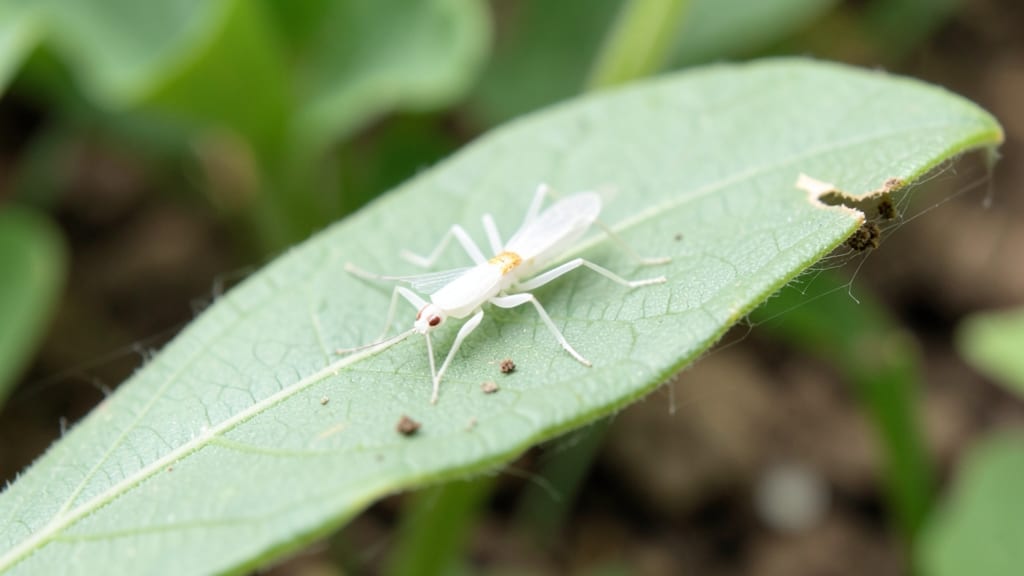
White bugs in your garden can feel like an all-out invasion, but I’ve found humane traps that actually work without harsh chemicals. 🌱 The key is knowing which white pests you’re dealing with—aphids, mealybugs, whiteflies, or scale—and how to lure them away without harming your plants or pollinators.
Most store-bought traps rely on sticky surfaces or poisons, but I’ve tested soapy water sprays, yellow sticky cards, and DIY neem oil mixtures that disrupt their life cycles instead.
These methods keep your garden thriving while giving pests a one-way exit. The best part? You’ll see results within 3-5 days of consistent use.
By the time you’re done, your plants will be free of sticky residue and white bug clusters, with new growth pushing through cleaner than ever. The secret is acting fast—once you spot the first signs, like curled leaves or honeydew trails, these traps become your best defense.
Let’s get those pests out for good.
Works for vegetable gardens, houseplants, and ornamental beds—no matter what you’re growing, these solutions adapt to your space. Here’s how to set them up right the first time.
Root Causes Of Tiny White Invaders
If your garden has suddenly become a buffet for tiny white bugs, don’t panic—understanding why they’re there is the first step to kicking them out for good. These pests don’t just appear out of nowhere; they’re drawn to specific conditions in your garden.
Below, we break down the science behind their arrival and how your plants might be unknowingly inviting them over.
White bugs like fungus gnats and whiteflies thrive in damp, soggy soil. When you overwater—whether from excess rainfall, poor drainage, or inconsistent watering—you’re essentially rolling out the red carpet for them. Here’s why:
- Larvae love moisture: Many white pests lay eggs in damp soil, where larvae can feed on decaying organic matter and plant roots. Too much water slows decomposition, creating a perfect breeding ground.
- Weakened plant defenses: Overwatering stresses plants, making them more susceptible to pests. Healthy roots repel bugs; compromised roots? All-you-can-eat buffet.
- Fungal growth: Excess moisture encourages fungi, which some white bugs (like fungus gnats) feed on. The more fungi, the more pests.
Actionable fix: Let the top inch of soil dry out between waterings. Improve drainage with perlite or sand, and avoid watering at night to reduce humidity.
Whiteflies and aphids are sap-sucking pests that zero in on stressed or nutrient-deficient plants. Here’s the science behind their attraction:
- High sugar content: Plants under stress (from drought, over-fertilization, or poor soil) produce more sugars in their sap—a sweet treat for white bugs. Think of it like a plant’s version of a sugar rush.
- Reduced defensive chemicals: Healthy plants produce compounds like alkaloids and terpenoids that deter pests. Stressed plants dial these down, making them easier prey.
- New growth is prime real estate: Young leaves and shoots are tender and nutrient-rich, making them a whitefly’s favorite snack spot. If your plants are growing rapidly (thanks to fertilizer or warm weather), they’re sending out a “Help! I’m vulnerable!” signal.
Actionable fix: Balance your soil’s pH and nutrients, and avoid heavy fertilization. Prune dead or damaged leaves to remove hiding spots and reduce stress signals.
Stagnant air isn’t just uncomfortable for you—it’s a white bug paradise. Poor airflow creates the perfect conditions for pests to thrive:
- Humidity buildup: Still air traps moisture, creating a humid microclimate that whiteflies and fungus gnats adore. High humidity speeds up their life cycle, leading to faster reproduction.
- Dense foliage = hiding spots: Crowded plants provide shelter for eggs and adults, protecting them from natural predators (like ladybugs) and making them harder to spot—and squish.
- Temperature regulation: Poor airflow can create hotspots where pests thrive. For example, whiteflies love warm, sheltered spots under thick leaves.
Actionable fix: Space plants properly, prune to improve airflow, and use fans (yes, really!) to circulate air around your garden. Even a small oscillating fan can make a difference.
White bugs often hitchhike into gardens on the wind, other plants, or even your tools. Seasonal changes play a huge role:
- Warm weather = faster reproduction: Many white pests (like whiteflies) reproduce rapidly in heat. A sudden warm spell can turn a few stragglers into an infestation overnight.
- Migration patterns: Some species, like aphids, are carried by wind or birds. If your neighbors’ gardens are infested, your plants might be next on the menu.
- Dormant plants wake up hungry: In spring, plants start growing again, and so do the pests that feed on them. If you brought in infested soil or plants from a nursery, you’ve already given them a head start.
Actionable fix: Monitor your garden regularly during seasonal transitions. Quarantine new plants for a few days to check for pests before introducing them to your garden.
Some white bugs, like fungus gnats, don’t just feed on plants—they feed on fungi that grow in your soil. Here’s how it happens:
- Organic matter breakdown: Compost, mulch, and decaying leaves create the perfect environment for fungi. Fungus gnats lay eggs in this moist, fungal-rich soil.
- Over-fertilization: Too much nitrogen or organic matter (like fresh manure) speeds up decomposition, which in turn fuels fungal growth—and the bugs that eat it.
- Indoor-outdoor spread: If you’re using potting mix indoors (like for houseplants), fungus gnats can easily move outside when you repot or clean up.
Actionable fix: Use well-aged compost, avoid over-fertilizing, and let soil dry out between waterings. If you suspect fungal activity, treat with beneficial nematodes or a light application of Bacillus subtilis (a natural fungal inhibitor).
Quick Fixes for Tiny Garden Invaders
White bugs in your garden can feel like an overwhelming pest problem, but don’t worry—there are humane, chemical-free solutions to reclaim your green space. The key is identifying the culprit first (mealybugs, aphids, fungus gnats, or scale insects?) and then applying targeted fixes.
Below, we break down cause-specific solutions, from immediate action to long-term prevention.
Signs: Clusters of white, cottony masses on leaves/stems, sticky residue (honeydew).
How to Remove Them Fast 1. 🍳 Isolate & Wipe
- Cut off heavily infested leaves (compost them away from the garden).
- Dip a cotton swab in 70% isopropyl alcohol or neem oil solution (1 tsp neem oil + 1 quart water + drop of dish soap).
Gently dab each mealybug. - Pro Tip: 💡 Use a soft toothbrush to scrub hidden crevices under leaves.
- 👨🍳 Beneficial Insects to the Rescue
- Release ladybugs or parasitic wasps (like Aphytis melinus). Order online or find them at garden centers.
- Timing: Release in early morning/late evening to avoid heat stress.
- 🥘 DIY Spray (Non-Toxic)
- Mix 1 tbsp castile soap + 1 quart water + 1 tsp neem oil. Spray directly on bugs (avoid flowers to protect pollinators).
- Reapply every 3–5 days until gone.
Prevention Tips
- 🌡️ Reduce humidity: Space plants for airflow; use a dehumidifier in greenhouses.
- 🎯 Inspect new plants: Quarantine purchased plants for 2 weeks before introducing them to your garden.
- ✨ Companion plants: Grow garlic, chives, or mint nearby—mealybugs dislike their scent.
Signs: Tiny white/green bugs on undersides of leaves, curled leaves, sticky honeydew.
How to Eliminate Them
- 🔪 Blast Them Off
- Use a strong spray of water (from a hose nozzle) to knock them off plants. Repeat every 2–3 days.
- Bonus: This also washes away honeydew, preventing sooty mold.
- 🌿 Homemade Spray
- Garlic spray: Blend 3 garlic cloves + 1 tsp cayenne pepper + 1 quart water. Strain and spray (aphids hate the smell!).
- Insecticidal soap: Store-bought or DIY (see mealybug recipe above).
- 🐞 Encourage Predators
- Lacewings and ladybugs love aphids. Buy eggs or adults online and release them near infested areas.
Prevention Tips
- 💪 Strengthen plants: Over-fertilizing attracts aphids—use balanced, organic fertilizer.
- 🥗 Avoid broadleaf weeds: They’re aphid magnets. Keep your garden weed-free.
- 🌿 Trap crops: Plant nasturtiums near vulnerable plants to lure aphids away.
Signs: Adults hover near soil; larvae cause yellowing leaves and root damage.
How to Trap & Prevent Them
- 🕯️ Yellow Sticky Traps
- Place yellow cards coated with petroleum jelly near pots. Gnats are drawn to the color and get stuck.
- DIY: Cut yellow paper into strips, coat with vegetable oil + flour, and hang near plants.
- 🌱 Soil Drying & Beneficial Nematodes
- Let the topsoil dry between waterings (fungus gnats thrive in soggy soil).
- Apply beneficial nematodes (Steinernema feltiae) to the soil—they eat the larvae. Mix with water and water into the soil.
- 🍄 Prevent Future Infestations
- 🔥 Avoid overwatering: Water only when the top inch of soil is dry.
- 🌿 Use coarse sand in potting mix to improve drainage.
- 🌱 Repot plants if soil is consistently damp.
Signs: White, waxy bumps on branches/stems; leaves turn yellow.
How to Scrape & Starve Them
- 🧼 Manual Removal
- Scrape them off with a plastic scraper or old credit card. Drop them into soapy water to kill them.
- For stubborn scales: Use rubbing alcohol on a cotton ball to dissolve their waxy coating.
- 🍎 Horticultural Oil Spray
- Apply dormant oil (available at garden centers) in early spring before new growth. Reapply every 7–10 days.
- DIY alternative: Mix 1 cup vegetable oil + 1 tsp soap + 1 gallon water.
- 🐝 Natural Predators
- Parasitic wasps (like Encarsia) target scale insects. Order from a beneficial insect supplier.
Prevention Tips
- 🌡️ Prune regularly: Remove dead/dying branches where scales hide.
- 🎯 Inspect new plants: Scale insects often hitchhike on nursery plants.
- 🌿 Keep plants healthy: Stress attracts scale—ensure proper sunlight and water.
No matter the pest, these habits keep white bugs away long-term:
- 🔍 Weekly inspections: Check undersides of leaves, stems, and soil for early signs.
- 🌿 Rotate crops: Prevents buildup of pests in the soil.
- 🌱 Healthy soil: Use compost and mycorrhizal fungi to boost plant resilience.
- 🚫 Avoid chemical pesticides: They kill beneficial insects that keep pests in check.
Remember: Patience is key—some infestations take 2–4 weeks to fully resolve. But with these humane, eco-friendly methods, your garden will stay bug-free and thriving! 🌱💚
Frequently asked questions
What are the most common white bugs in gardens?
The most frequent culprits are aphids, mealybugs, whiteflies, and scale insects. Each has distinct habits—aphids cluster on new growth, mealybugs leave cottony trails, and whiteflies flutter when disturbed. Identifying them helps target the right solution.
Will homemade sprays actually work against white bugs?
A mix of 1 tbsp castile soap + 1 tsp neem oil + 1 quart water disrupts their protective coatings and suffocates them. For stubborn pests like scale, rubbing alcohol on a cotton swab works instantly. Just reapply every 3-5 days for best results.
How do I know if my plants are just stressed or actually infested?
Check for sticky residue (honeydew), curled leaves, or visible clusters of bugs—these are clear signs of infestation. Stressed plants may show yellowing or wilting, but without pests or honeydew trails, it’s likely environmental (like overwatering). A magnifying glass helps spot tiny eggs.
Can I use yellow sticky traps for all white bugs?
Yellow traps work best for whiteflies and fungus gnats, which are attracted to the color. However, they won’t catch mealybugs or scale insects—these hide under leaves. Combine traps with manual removal or neem oil sprays for comprehensive control.
How long does it take to see results from natural remedies?
With consistent treatment, you’ll notice a reduction in 3-5 days. Full eradication may take 2-4 weeks, especially for established infestations. The key is persistence—reapply sprays and replace traps regularly until no new bugs appear.