
Companion Plants
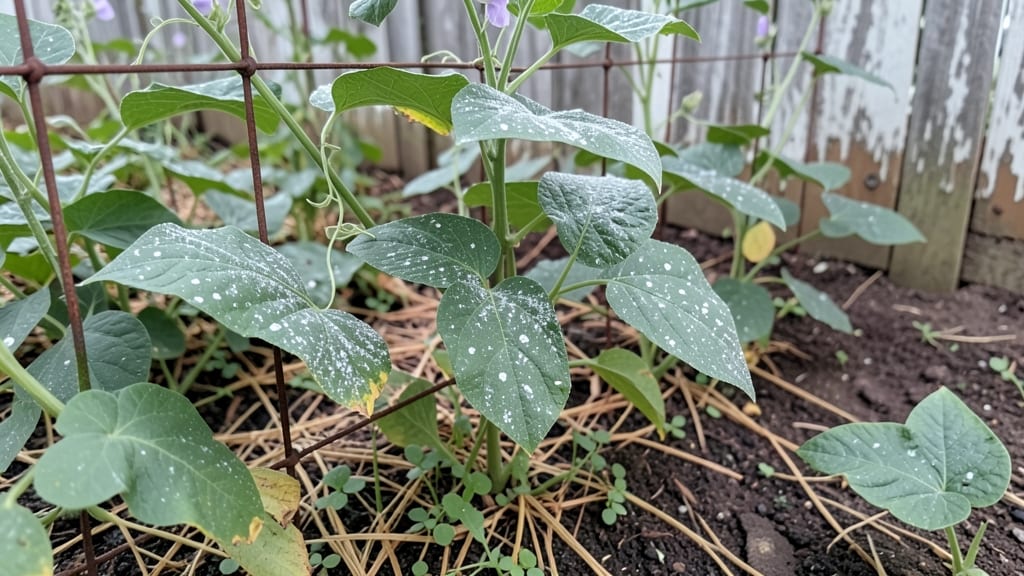
White spots on garden plants turn lush leaves into a sad, dusty mess—like someone sprinkled flour on your roses or cucumbers. 🌿 I’ve seen powdery mildew ruin entire beds in just two weeks, and the worst part? It spreads faster than you can say "fungicide."
The culprits are usually powdery mildew (that chalky white dust), fungal infections (often fuzzy or greasy spots), or even environmental stress like too much sun or poor airflow.
Roses, cucumbers, and lawns are classic victims, but almost any plant can get hit. The key is catching it early—before the spots turn into crunchy, dead patches.
You’ll learn how to identify the exact problem (yes, there’s a difference between mildew and pest damage) and fix it without harsh chemicals. A simple baking soda spray or neem oil can work wonders, and I’ll show you how to adjust your watering and spacing to keep plants healthy long-term.
No more helplessly watching your garden fade to white.
Whether you’re dealing with a single leaf or a full-blown outbreak, this guide gives you the tools to save your plants—and your sanity. Let’s get those leaves looking green again, the right way.
Root Causes of Plant Spots
White spots on garden plants are rarely a sign of a healthy plant—but they can be fixed if you identify the root cause. Below, we break down the most common culprits, from fungal infections to environmental stressors, with clear explanations of how they damage your plants.
Fungal spores thrive in damp, humid conditions, and white spots are often their calling card. Here’s how they strike:
- Powdery Mildew: This fuzzy, white coating (often mistaken for flour dust) is caused by Erysiphe or Sphaerotheca fungi.
It blocks sunlight, stunting photosynthesis and weakening the plant over time. - Why it happens: High humidity (above 75%), poor airflow, and warm temperatures (60–80°F) create the perfect breeding ground. Overhead watering spreads spores like wildfire.
- Leaf Spot Diseases (e.g., Alternaria, Septoria): These fungi create small, white or tan spots with dark borders, often surrounded by yellow halos. They spread via splashing water or infected tools. - Why it happens: Wet foliage for prolonged periods (especially at night) encourages spore germination.
Infected plant debris left in soil or mulch acts as a reservoir.
💡 Pro Tip: Fungal spores can survive in soil for years. Sterilize pruners with rubbing alcohol (70%+) between cuts to prevent cross-contamination.
Plants aren’t just reacting to pathogens—they’re also screaming for help when their environment turns hostile.
- Sun Scorch: White or bleached patches on leaves (often on the upper surface) signal sunburn, where intense UV rays overwhelm the plant’s protective pigments. - Why it happens: Sudden exposure to full sun (e.g., after transplanting shade-loving plants) or reflective surfaces (like white walls or pavement) amplify damage.
Thin leaves (e.g., basil, lettuce) are especially vulnerable.
- Cold or Frost Damage: White, mushy spots or frostbite-like lesions appear after temperatures dip below a plant’s tolerance (e.g., 32°F for tomatoes). - Why it happens: Ice crystals form in plant cells, rupturing them.
Evergreens (like boxwood) may develop white, powdery patches from winter desiccation—when dry winds steal moisture faster than roots can replace it.
- Chemical Burn: White, crispy spots can mimic fungal damage but are actually salt or fertilizer burn from over-application of:
- Synthetic fertilizers (high in nitrogen or chlorine).
- Hard water residues (if you water with tap water high in minerals).
- Herbicide drift (e.g., glyphosate on non-target plants).
✨ Quick Fix: Move sun-scorched plants to partial shade for a week. For cold damage, prune dead tissue after new growth appears in spring.
Tiny pests leave behind white, sticky, or waxy residues that mimic fungal spots—but they’re actually honeydew or frass (insect waste).
- Whiteflies: These 1/10-inch white moths cluster on undersides of leaves, excreting honeydew that attracts sooty mold (a black fungal growth). Their feeding weakens plants, leading to yellowing and stunted growth. - Why it happens: Warm, dry conditions (70–90°F) trigger outbreaks.
They’re drawn to soft-stemmed plants like squash, tomatoes, and hibiscus.
- Mealybugs: Cottony, white clusters in leaf axils or stems are mealybugs sucking plant sap. Their waste creates a sticky film that traps spores, worsening infections.
- Why it happens: Poor drainage, overwatering, and stressed plants (e.g., root-bound or nutrient-deficient) attract them.
- Spider Mites: Though not white, their webbing and feeding patterns can cause silver or white stippling on leaves as they pierce cells.
- Why it happens: Hot, dry weather (below 50% humidity) stresses plants, making them more susceptible.
🔥 Action Step: Knock off whiteflies with a strong spray of water, then introduce beneficial insects like ladybugs or lacewings. For mealybugs, dab them with 70% isopropyl alcohol on a cotton swab.
Water isn’t always the solution—sometimes it’s the problem.
- Chlorine or Fluoride Burn: Tap water in some areas contains chlorine (disinfectant) or fluoride, which can bleach leaf tips white over time.
- Why it happens: Chlorine evaporates quickly, but fluoride accumulates in soil. Plants like azaleas and hydrangeas are sensitive to both.
- Mineral Deposits: White, crusty spots on leaves or soil surface signal hard water minerals (calcium, magnesium) or fertilizer salts.
- Why it happens: Evaporation leaves behind residue, especially in pots or containers. Over-fertilizing (e.g., too much Epsom salt) can also cause this.
🌡️ Prevention: Use rainwater or distilled water for sensitive plants. Flush container soil monthly with plain water to leach out salts.
White spots can also signal nutritional deficiencies or toxicities, though they’re less common than other causes.
- Magnesium Deficiency (Interveinal Chlorosis): White or yellow patches between veins (especially on older leaves) indicate a lack of magnesium, crucial for chlorophyll production.
- Why it happens: Over-fertilizing with nitrogen (without potassium or magnesium) or acidic soil (pH < 6.0) locks out magnesium.
- Calcium Deficiency: White, necrotic spots on younger leaves or blossom end rot (in tomatoes/peppers) signal calcium issues.
- Why it happens: Poor soil drainage, high phosphorus levels, or root damage (e.g., from cold) prevent calcium uptake.
📊 Test Your Soil: Use a DIY soil test kit to check pH and nutrient levels. Amend with dolomitic lime (for magnesium/calcium) or Epsom salt (for magnesium).
Even "safe" chemicals can backfire if misapplied.
- Herbicide Drift: Glyphosate (Roundup) or 2,4-D (weed killers) can cause white, bleached spots on broadleaf plants like tomatoes or beans.
- Why it happens: Wind carries spray particles to non-target plants. Symptoms appear 7–14 days post-exposure.
- Pesticide Resistance: Some fungicides (e.g., copper-based sprays) can cause white, powdery residues if overused, clogging leaf pores and reducing photosynthesis.
🎯 Solution: If you suspect chemical damage, rinse leaves gently with water and avoid treating the plant for 2 weeks. Choose organic alternatives like neem oil or horticultural oil for future sprays.
Quick Fixes for Plant Spots
White spots on your garden plants can feel like a mystery, but the good news is most issues have simple, effective solutions—once you know the cause. Below, we’ve mapped the most common culprits to step-by-step fixes, plus prevention tips to keep your plants thriving.
Think of this as your spot-removal cheat sheet for a lush, healthy garden!
Fix:
- 🌿 Prune & Remove – Snip off severely infected leaves (sterilize shears with rubbing alcohol) and dispose of them in the trash, not the compost.
- 💦 Water Wisely – Water early in the morning so foliage dries quickly. Avoid overhead watering; use a soaker hose or drip irrigation instead.
- 🧴 Apply Fungicide – Mix 1 tsp baking soda + 1 quart water + a few drops of dish soap (the soap helps it stick). Spray on undersides of leaves. For stubborn cases, use a copper fungicide or neem oil spray (follow label instructions).
- 🌬️ Improve Airflow – Space plants 12–18 inches apart and thin crowded areas. A small fan on low setting near plants can also deter fungi.
💡 Prevention Tip: Rotate crops yearly and plant resistant varieties (e.g., ‘Liberty’ zucchini for powdery mildew resistance). Mulch with straw to reduce soil splashing onto leaves.
Fix:
- 🚿 Blast Off Pests – Spray plants with a strong stream of water to dislodge pests, especially undersides of leaves.
- 🍋 Homemade Spray – Mix 1 tbsp neem oil + 1 tsp dish soap + 1 quart water. Shake well and spray directly on pests (reapply every 5–7 days).
- 🐝 Attract Predators – Plant dill, marigolds, or yarrow nearby to lure ladybugs, lacewings, and parasitic wasps—nature’s pest control!
- 🧹 Physical Removal – For heavy infestations, wipe leaves with a damp cloth dipped in soapy water or use a magnifying glass + cotton swab to pluck off mites.
🔥 Pro Tip: Check the undersides of leaves daily—pests love to hide there! A blue sticky trap can also catch whiteflies.
Fix:
- 🌳 Provide Shade – Move potted plants to a partial shade spot (east-facing is ideal) or use shade cloth (30–50% coverage).
- 💧 Hydrate Deeply – Water thoroughly in the early morning to help plants recover. Mulch with straw or wood chips to retain moisture.
- 🧴 Avoid Over-Fertilizing – Too much nitrogen can make plants more susceptible to burn. Use a balanced fertilizer (10-10-10) and follow label rates.
- 🌱 Gradual Acclimation – If transplanting, harden off plants by exposing them to sun for 1–2 hours daily, increasing time over a week.
🌡️ Prevention Tip: Monitor weather forecasts—heatwaves over 90°F (32°C) are prime scorch territory. Group heat-sensitive plants (like lettuce or basil) together for mutual shade.
Fix:
- 🚰 Rinse Leaves – Gently hose down leaves with distilled or rainwater to dissolve residue. Avoid tap water if your area has high mineral content.
- 🧼 Soap Wash – Mix 1 tsp mild liquid soap + 1 gallon water and lightly scrub leaves with a soft brush.
- 🌱 Flush Soil – Water the soil generously to leach out excess salts. If using potted plants, repot with fresh, well-draining soil.
- 💧 Use Rainwater – Collect rainwater in barrels for watering—it’s naturally soft and free of chlorine/minerals.
✨ Prevention Tip: If you must use tap water, let it sit overnight to allow chlorine to evaporate. For potted plants, top-dress with compost to improve soil structure.
- 🍃 Boost Immunity – Feed plants with compost tea or a fish emulsion (diluted per instructions) to strengthen their defenses. - 🌿 Monitor Progress – Take weekly photos to track improvements.
If spots worsen, revisit the cause—sometimes it’s a combo of issues! - 🗑️ Quarantine New Plants – Keep newly purchased plants separate for 2 weeks to prevent spreading unknown problems.
Remember: Most white spots are fixable with quick action! Start with the most likely cause, apply the solution, and give your plants a few weeks to bounce back. 🌱✨ Before you know it, your garden will be spot-free and thriving.
Frequently asked questions
Why do my plants suddenly develop white spots overnight?
Most white spots don't appear overnight—they develop over 24-48 hours from fungal spores (like powdery mildew) that thrive in humid conditions. If you notice them first thing in the morning, check for high humidity at night or poor airflow between plants. Pests like whiteflies can also cause sudden white residues from their honeydew waste.
Can I save a plant with severe white spot damage?
It depends! For fungal infections, prune affected leaves immediately and treat with neem oil or baking soda spray. If the damage is chemical burn or sun scorch, move the plant to shade and avoid fertilizing for 2-3 weeks. If over 50% of leaves are dead, the plant may not recover—focus on saving nearby healthy plants instead.
Is baking soda really effective for white spots?
Yes! A 1 tsp baking soda + 1 quart water + few drops of dish soap spray works for powdery mildew by raising leaf pH and preventing spore growth. Spray undersides of leaves (where spores hide) every 7-10 days during humid weather. For stubborn cases, alternate with copper fungicide (follow label instructions).
Why do my houseplants get white spots but outdoor plants don't?
Houseplants often suffer from chlorine/fluoride in tap water or hard water mineral buildup (calcium/magnesium deposits). Outdoor plants get more airflow and sunlight, reducing fungal growth. Try rainwater or distilled water for houseplants, and wipe leaves monthly with a damp cloth to prevent residue buildup.
How do I know if white spots are from pests vs. fungus?
Check the undersides of leaves: Fungal spots are usually powdery or fuzzy, while pest-related spots have sticky residue (honeydew) or tiny white insects. Tap leaves over a white sheet—if you see whiteflies or mealybugs, it's pests. Fungal spots often appear first on older leaves, while pest damage spreads randomly.