
Pests
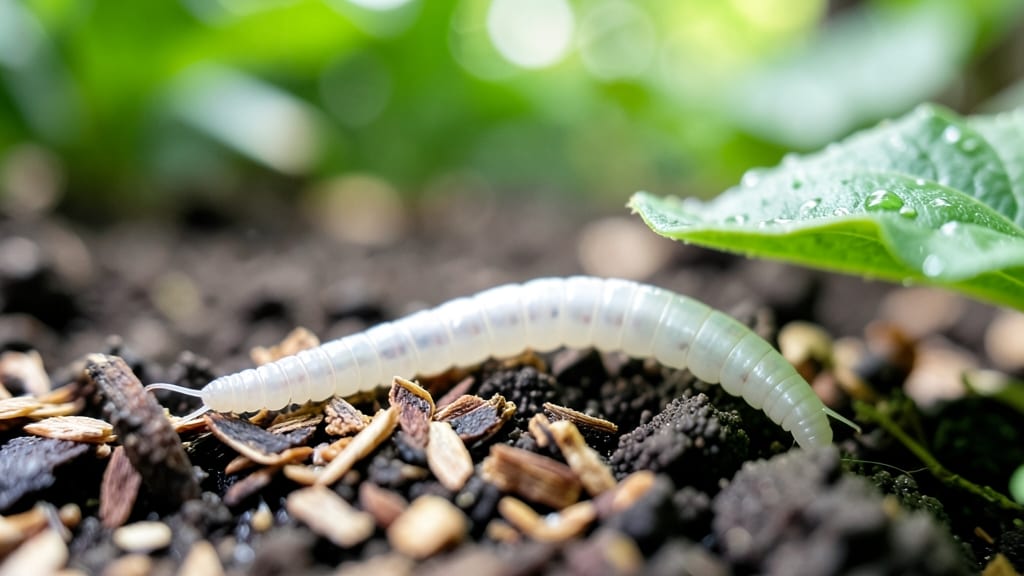
Finding white worms wriggling in your garden isn’t always a bad sign—enchytraeid worms actually improve soil structure and help roots breathe. 🌱 I’ve seen them turn compacted soil into loose, crumbly earth where plants thrive, but not all white worms are harmless.
Some, like vine weevil larvae, chew on roots while others, such as cutworms, munch on seedlings at night.
The key is telling the difference: beneficial worms leave behind fluffy, aerated soil, while pests create hollow stems or wilting plants. Most gardeners don’t need to panic—enchytraeids are harmless and even help with water drainage.
But if your plants look stressed, it’s time to investigate further with a simple soil check after dark when pests are most active.
You can encourage the good guys by adding compost or leaf mold, which they love, while discouraging pests with diatomaceous earth around vulnerable plants. For severe infestations, neem oil or milky spore (for grubs) works wonders without chemicals.
The goal? A balanced soil ecosystem where worms work for you, not against you.
Even experienced gardeners sometimes misidentify these tiny creatures—so don’t rush to treat every white worm sighting. Start with a closer look, then act based on what’s really happening below the surface. Your plants (and future harvests) will thank you for the distinction.
Natural Causes Behind Soil Worms
If you’ve spotted tiny white worms wriggling in your garden soil, don’t panic—they’re usually harmless (and even helpful!). These creatures, often called enchytraeids or potworms, thrive in moist, organic-rich environments.
But why do they suddenly appear in your garden? Let’s break down the science behind their presence with actionable insights.
Enchytraeids love moisture, but too much of it creates the perfect breeding ground. Here’s why:
- Oxygen depletion: When soil stays soggy, it traps water and displaces air, forcing worms to surface in search of oxygen. This is especially common after heavy rains or poor drainage.
- Decay acceleration: Excess moisture speeds up organic matter breakdown, releasing nutrients that attract these worms. Think of it as a buffet for soil-dwelling critters!
- Root zone disruption: Waterlogged areas can suffocate plant roots, and worms may migrate upward to avoid the anaerobic (oxygen-free) conditions.
Actionable fix: Improve drainage by amending soil with perlite or coarse sand, or create raised beds in problem areas. 🌡️ Pro tip: Test your soil’s moisture—stick your finger in 2 inches deep; if it’s damp for more than a day, it’s time to adjust!
While compost and mulch are garden gold, too much organic material can become a worm magnet. Here’s how it happens:
- Food abundance: Fresh leaves, grass clippings, or uneaten fruit provide a feast for decomposers, including enchytraeids. They multiply rapidly in these nutrient-rich zones.
- Microclimate creation: Thick mulch layers trap heat and moisture, mimicking their ideal tropical conditions. A 3–4 inch layer is great; piles thicker than 6 inches can become worm hotspots.
- Fungal growth: Organic matter decomposition fuels fungal networks, which these worms graze on. More fungi = more worms!
Actionable fix: Spread organic matter evenly (no more than 2–3 inches) and mix it into the top 6 inches of soil. 💡 Pro tip: Use a soil sieve to distribute compost uniformly—this prevents clumping and reduces worm overpopulation.
Healthy soil is a sponge—it needs air pockets for roots and beneficial organisms to thrive. When soil becomes compacted, worms (including the white variety) may surface for relief. Here’s the science:
- Reduced oxygen: Compacted soil crushes air spaces, forcing worms to seek less dense layers near the surface. This is common in clay-heavy or heavily trafficked garden areas.
- Root competition: Dense soil restricts root growth, and worms may move upward to escape the competition for space and nutrients.
- Microbe imbalance: Compaction disrupts beneficial bacteria and fungi, creating an environment where enchytraeids dominate.
Actionable fix: Loosen soil with a broadfork or garden fork to a depth of 8–12 inches. Add compost or aged manure to improve structure. ⏰ Pro tip: Avoid tilling—it disrupts soil life. Instead, use a no-till approach with organic amendments.
White worms are cold-sensitive and often become more visible when temperatures fluctuate. Here’s why seasons trigger their appearance:
- Spring thaw: As soil warms, dormant worms become active and migrate upward. This is especially true in regions with freeze-thaw cycles.
- Summer drought stress: While they love moisture, extreme heat can dry out their lower soil layers, pushing them to the surface for hydration.
- Autumn leaf litter: Fallen leaves create a temporary food source, attracting worms to feed before winter dormancy.
Actionable fix: Monitor soil temperature—ideal ranges for these worms are 50–77°F (10–25°C). Use mulch in summer to retain moisture and row covers in winter to protect soil structure. 🎯 Pro tip: If you see them in winter, they’re likely harmless hibernators—leave them be!
Most of the time, these white worms are a sign of a healthy, active soil ecosystem. However, if they’re causing issues (like damaging seedlings), address the root causes above. With the right balance of moisture, aeration, and organic matter, your garden will stay thriving—and worm-friendly! 🌱
Quick Fixes for Garden Worms
Got white worms wriggling through your garden soil? While they’re usually harmless (or even helpful!), their sudden appearance can still be a puzzling sight. The good news? Most cases don’t require drastic action—just a few targeted fixes to restore balance.
Below, we’ll break down the most common causes and their practical, eco-friendly solutions, plus tips to keep your soil happy long-term.
Cause: Too much moisture creates the perfect breeding ground for white worms (like enchytraeids), which thrive in soggy conditions. Fix:
- 💧 Reduce watering – Let the top 2 inches of soil dry out between waterings. Use a moisture meter if you’re unsure.
- 🌱 Improve drainage – Amend heavy clay soil with compost or perlite to help water drain faster.
- 🔪 Loosen compacted soil – Use a garden fork to aerate roots, encouraging airflow and discouraging excess moisture.
Prevention Tip: 💡 Mulch wisely—use straw or wood chips sparingly to avoid trapping moisture against the soil.
Cause: White worms may surge if your soil lacks organic matter or beneficial microbes. Fix:
- 🌿 Add compost – Mix in 2–3 inches of finished compost to enrich soil and support healthy microbial life.
- 🍄 Introduce earthworms – These guys outcompete white worms for food. Add red wigglers (Eisenia fetida) to your compost pile.
- 🌱 Plant cover crops – Fast-growing crops like clover or rye improve soil structure and reduce worm-friendly conditions.
Prevention Tip: ✨ Test your soil every 2–3 years to check pH and nutrient levels—aim for a neutral to slightly acidic range (6.0–7.0).
Cause: Synthetic fertilizers or pesticides can disrupt soil ecosystems, leading to white worm outbreaks. Fix:
- 🚫 Skip harsh chemicals – Replace synthetic fertilizers with fish emulsion, seaweed extract, or worm castings.
- 🌱 Use neem oil (sparingly) – A 1% dilution can deter pests without harming beneficial worms. Spray on leaves, not soil.
- 🔄 Flush the system – If your garden has a history of chemicals, leach the soil by watering deeply for 30 minutes daily for a week.
Prevention Tip: 🎯 Go organic—compost tea or microbial inoculants (like Bacillus subtilis) can rebuild soil health naturally.
Cause: White worms often peak after heavy rain, spring thaw, or compost pile turnover—they’re just passing through! Fix:
- 🕵️♂️ Observe first – If plants look healthy and worms are few, do nothing. They’ll decline as conditions dry.
- 🌱 Distract them – Plant fast-growing traps like radishes or lettuce to lure worms away from prized plants.
- 🍂 Rake up debris – Clear fallen leaves or mulch where worms may be nesting.
Prevention Tip: 🌡️ Time your compost turns—avoid adding fresh organic matter when soil is already damp.
If white worms persist for weeks, your soil may need a deeper reset: - 🔄 Rototill (carefully) – Break up compacted layers to improve aeration (do this in dry weather). - 🐛 Invite predators – Birds, toads, and ground beetles eat white worms.
Create a toad-friendly habitat with shallow water dishes. - 🌱 Rotate crops – Avoid planting the same family (e.g., brassicas) in the same spot yearly to disrupt worm cycles.
Final Pro Tip: 💡 White worms = soil health barometer. A few won’t hurt—focus on balancing moisture, nutrients, and organic matter for long-term fixes. Happy gardening!
Frequently asked questions
Are white worms in my garden always harmful?
Not at all! Most white worms, like enchytraeids, are actually beneficial—they improve soil aeration and help break down organic matter. However, some like vine weevil larvae or cutworms can damage roots or seedlings. Check for plant stress signs (wilting, hollow stems) to tell the difference.
How can I tell if white worms are hurting my plants?
Look for these clues: chewed leaves (cutworms), wilting seedlings (vine weevil larvae), or hollow stems. If your plants look healthy and soil is loose, the worms are likely harmless. For pests, inspect roots at night (they’re most active then) or dig up plants to check for damage.
What’s the fastest way to get rid of harmful white worms?
For vine weevil larvae, apply neem oil or milky spore (a natural bacteria). For cutworms, use diatomaceous earth around plants or handpick them at night. Avoid chemicals—they harm beneficial worms too. Focus on fixing soil moisture or adding predators like birds (install a shallow water dish).
Will adding compost make white worms worse?
Not necessarily! Fresh compost attracts worms, but finished compost (aged 6+ months) adds nutrients without overfeeding them. Spread it thinly (1–2 inches) and mix into the top 6 inches of soil. Over-mulching or waterlogging is the real culprit—aim for moist but not soggy soil.
Can I use coffee grounds to deter white worms?
Coffee grounds can help indirectly by improving soil structure, but they won’t repel worms. The caffeine breaks down quickly and attracts earthworms (which outcompete pests). For pests, focus on neem oil or beneficial nematodes. Sprinkle grounds sparingly (½ cup per plant) to avoid acidifying soil.