
Landscaping
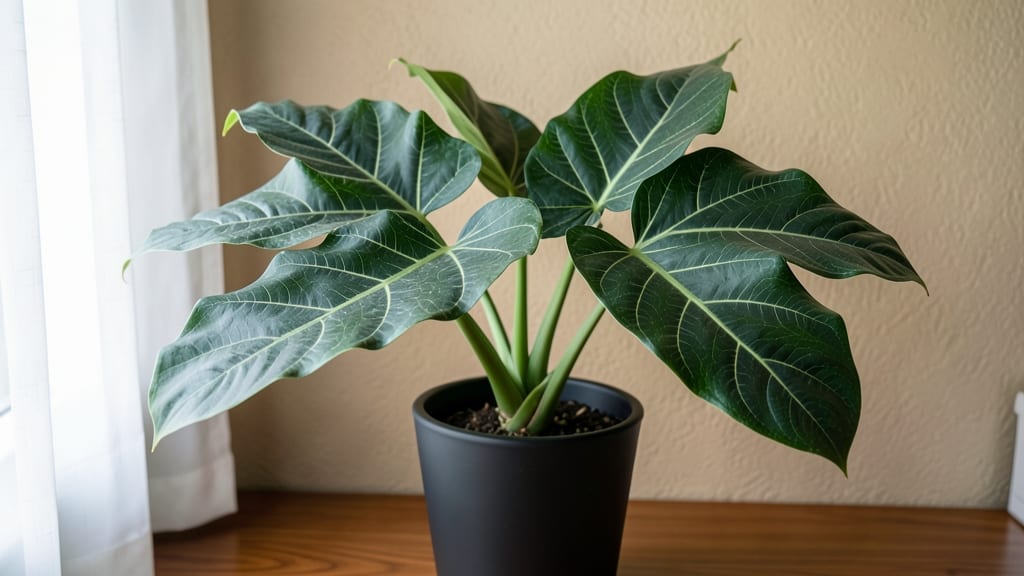
Transform your garden with these alocasia garden ideas—where bold, velvety leaves become the star of a lush, tropical retreat.
Alocasia plants bring bold, tropical drama to any garden—but where do you start when designing spaces that showcase their stunning foliage? From lush ground covers to eye-catching containers, these ideas transform even small spaces into jungle-inspired havens.
If you love the idea of a vibrant, low-maintenance garden but dread the guesswork, you’re in the right place. Whether you’re working with a sunny patio or a shady corner, alocasia thrives in USDA Zone 9b-11 and beyond when given the right care.
Here, you’ll discover creative container designs, ground-cover techniques, and plant pairings that make alocasia the star—without the overwhelm.
Best alocasia container designs for small and large spaces
Alocasia plants thrive in containers, making them perfect for patios, balconies, or even indoor jungle corners. The key is choosing the right container size and material to match your variety—whether it’s the compact Alocasia Polly or the bold Alocasia Frydek.
For small spaces, prioritize vertical designs like hanging baskets or wall-mounted planters to save floor space while maximizing visual impact.
Larger varieties like Alocasia Zamiifolia need spacious containers with drainage holes to prevent root rot. Mixing materials—like terracotta for breathability or woven baskets for texture—adds visual interest while catering to the plant’s moisture needs.
Always pair containers with a well-draining potting mix enriched with perlite or orchid bark to mimic their tropical habitat.
| Container Type | Best For | Size Recommendation | Material Tips |
|---|---|---|---|
| Hanging Baskets | Small varieties (Polly, Dragon Scale) | 12-16" diameter | Coconut fiber or woven rattan |
| Tiered Planters | Mixed varieties (Frydek + Polly) | 18-24" total height | Ceramic or glazed terracotta |
| Wall-Mounted Pots | Vertical spaces (all varieties) | 10-14" diameter | Lightweight plastic or resin |
| Large Planters | Big varieties (Zamiifolia, Regal Shield) | 24-30" diameter | Glazed ceramic or fiberglass |
| Self-Watering Containers | Travel or busy gardeners | 14-20" diameter | Plastic with reservoir |
For small spaces, opt for hanging baskets or wall-mounted pots to free up floor space. The Alocasia Polly, with its petite 1-2 ft height, thrives in 12-16" containers. Drape moss or ivy around the edges to soften the look and retain moisture.
In larger spaces, tiered planters create a lush, cascading effect—place taller varieties like Alocasia Frydek at the back and smaller ones in front.
Mixed-material containers add texture and contrast. Pair a glazed ceramic pot (for moisture retention) with a woven rattan basket (for air circulation) to balance the plant’s needs. Always ensure containers have drainage holes—alocasias hate soggy roots. Elevate pots on saucers or stands to protect surfaces and improve airflow.
Grouping containers in odd numbers (3 or 5) creates visual harmony. Place taller varieties at the back and shorter ones in front for a staggered effect. Add pebbles or decorative stones to the saucer to wick up moisture and enhance humidity levels.
This mimics their natural understory habitat and keeps leaves lush and vibrant.
Seasonal adjustments matter! In summer, increase container size slightly to accommodate root growth, and switch to self-watering pots if you travel often. During winter, reduce container exposure to cold drafts by moving pots indoors near bright, indirect light.
A simple terracotta pot can double as a heat sink, moderating temperature fluctuations.
Don’t overlook container color—dark pots absorb heat, speeding up soil drying, while light colors reflect heat. For Alocasia Frydek, a matte black pot contrasts beautifully with its deep purple stems, while a glossy white pot makes Alocasia Polly’s silver veins pop.
Rotate containers occasionally to ensure even growth and prevent leaning toward light sources.
For a tropical oasis vibe, combine containers with monstera leaves or philodendrons in complementary pots. Use coconut fiber liners in woven baskets to prevent root damage and improve moisture retention. Remember: alocasias love humidity, so group containers closely or place them on a pebble tray filled with water.
Finally, accessorize! Add ornamental moss to container edges, or drape fairy lights (solar-powered for safety) around hanging baskets for evening ambiance. These touches elevate your design from functional to showstopping—perfect for Instagram-worthy garden moments.
How to create alocasia ground covers for tropical garden beds
Transforming your garden into a lush tropical paradise starts with alocasia ground covers. These stunning plants thrive when layered with complementary foliage like ferns, calatheas, and hostas to create a low-maintenance yet high-impact design.
The key lies in understanding their spacing needs and sunlight requirements to ensure they flourish together.
Alocasia plants love bright indirect light but can tolerate partial shade, making them perfect for tropical garden beds. Pair them with shade-loving companions to create a layered effect that mimics a jungle understory.
With the right combination, you'll achieve a textured, vibrant carpet that requires minimal upkeep while maximizing visual appeal.
🌿 Alocasia Ground Cover Design Ideas
- Layer 1 (Foreground): Alocasia 'Polly' (12-18" spacing) + Calathea 'Orbit' for delicate texture
- Layer 2 (Midground): Alocasia 'Frydek' (24" spacing) + Hostas 'Blue Angel' for contrast
- Layer 3 (Background): Nephrolepis ferns (18" spacing) + Hoya carnosa vines for height
- Sunlight Strategy: Dappled shade (30-50% sunlight) with moving shade cloth in peak hours
- Soil Mix: 60% peat moss + 30% coconut coir + 10% perlite for optimal drainage
When designing your alocasia ground cover, begin by preparing the soil with a moisture-retentive yet well-draining mix. Alocasia roots thrive in slightly acidic conditions (pH 5.5-6.5), so amend your garden soil with composted leaf mold or orchid bark to improve structure.
Plant your alocasias first, spacing them according to their mature size—typically 18-24 inches apart for smaller varieties like 'Polly' and up to 36 inches for larger types like 'Regal Shield'.
After placing your alocasias, fill the gaps with shade-tolerant companions like calatheas or hostas. These plants will cascade between the alocasia's bold leaves, creating a seamless transition from foreground to background. For example, Calathea 'Rattlesnake' adds striking patterns, while Hosta 'Francee' provides lush green contrast.
Mulch the entire bed with 3-4 inches of organic mulch to retain moisture and suppress weeds—critical for maintaining that tropical look.
One of the biggest challenges with alocasia ground covers is maintaining consistent moisture without overwatering. I recommend installing a drip irrigation system set to deliver 1/2 inch of water per week during dry spells.
This method ensures even distribution while preventing root rot. Additionally, group your plants in 3-5 foot clusters to create microclimates that retain humidity naturally, reducing the need for frequent watering.
To keep your tropical garden bed thriving year-round, monitor for pests like slugs or spider mites, which are common in humid environments. A neem oil spray applied every 4-6 weeks will deter pests without harming your plants.
In colder climates, bring potted alocasias indoors before temperatures drop below 50°F, or protect outdoor beds with burlap wraps during frost-prone months.
With these techniques, your alocasia ground cover will become the centerpiece of your tropical garden, offering year-round interest with minimal effort. The secret lies in layering textures and colors while respecting each plant's needs—resulting in a lush, jungle-like retreat that feels like a vacation every time you step outside. 🌿