
How To
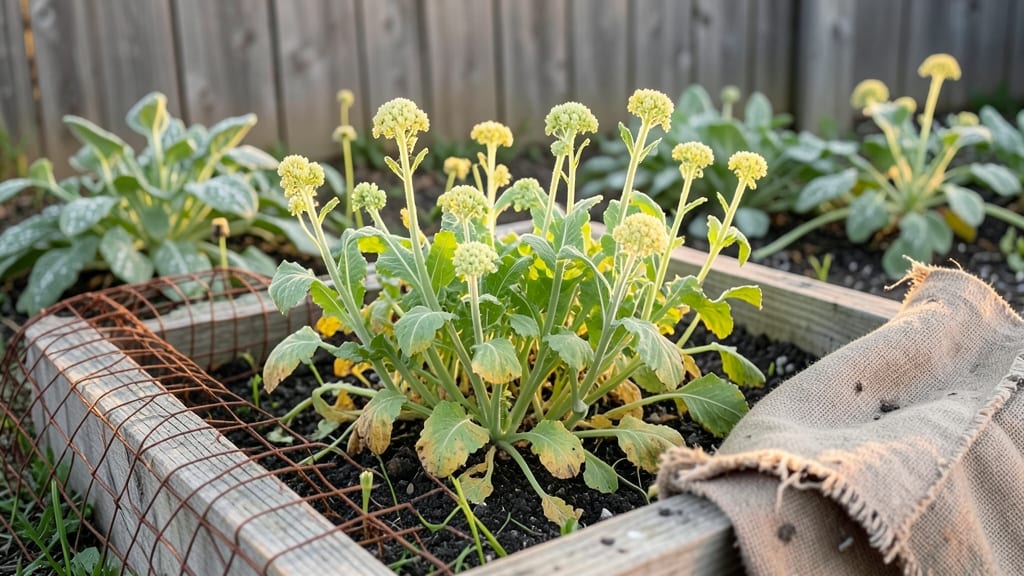
Learn how to protect raised garden beds from animals—because last spring’s rabbit, squirrel, and possum attacks taught me the real way to keep them safe. 🌱 The key isn’t just chicken wire; it’s layered defenses that actually work. no critter can outsmart your setup.
I’ll show you exactly how to combine physical barriers, smart placement, and even a few sneaky deterrents that work without trapping or harming wildlife.
You’ll need hardware cloth (not chicken wire—animals chew through it), sturdy stakes, and maybe some landscape fabric for extra reinforcement. For beds near trees, add a 3-foot-wide barrier around the perimeter to block jumping pests.
I also swear by secure lids for compost bins and seed-starting trays—those are prime snack spots for raccoons. The upfront cost pays off when you’re not replanting every week.
By the time summer hits, you’ll have a nearly impenetrable fortress for your plants. No more woken-up-by-digging noises at 3 AM, no more missing seedlings overnight. The right setup keeps deer out, rabbits out, and even determined squirrels from turning your lettuce into their personal salad bar.
Plus, you’ll sleep better knowing your hard work won’t vanish in a night.
This works for wooden, metal, or even straw bale beds—just adjust the barrier height based on your local pests. Raccoons? Add a sloped roof over the bed. Groundhogs? Bury the hardware cloth 12 inches deep.
I’ll walk you through the exact setups that’ve held up for me over three seasons, plus how to patch holes before they become invitations.
📚 In This Guide
- What you need
- Instructions
- Tips and common mistakes
- Wrapping up and next steps
What you need
- ● Hardware cloth or wire mesh: 1/4-inch to 1/2-inch mesh (minimum 2–3 feet taller than your bed height). Quantity: Enough to wrap entirely around the bed (e.g., 4–6 feet long for a 4x8-foot bed).
- ● Staple gun + heavy-duty staples: For securing mesh to wood or metal frames.
- ● Bending pliers or wire cutters: To shape and trim mesh cleanly.
- ● Garden twine or zip ties: For extra reinforcement at corners or seams.
- ○ Heavy-duty landscape fabric: Optional but helpful for burrowing pests (e.g., gophers). Size: Larger than your bed’s base to overlap edges.
- ● Metal flashing or edging: To deter digging near the base (e.g., 6-inch-wide strips).
- ● Motion-activated sprinklers: For deterring larger pests like deer or rabbits.
- ● Hot pepper spray or predator urine: Natural repellents for occasional touch-ups.
- ● Decorative rocks or mulch: To discourage burrowing near the bed’s perimeter.
Step-by-Step guide to fortifying raised garden beds against animal intruders
Here’s my battle-tested approach to keeping critters out without sacrificing aesthetics or functionality.
🪴 Step 1: Assess Your Threats and Choose Barrier Materials
First, identify which animals are causing trouble—rabbits, deer, groundhogs, or rodents each require different tactics. For rabbits and deer, I recommend hardware cloth (½-inch mesh) buried at least 12 inches deep around the bed perimeter. For groundhogs, use ¼-inch mesh wire buried 2 feet deep—they’re powerful diggers. For rodents, a fine mesh (¼-inch or smaller) wrapped around the bed’s base works best.
Measure your bed’s dimensions precisely. A 4-foot-wide by 8-foot-long bed needs about 40 feet of mesh for full coverage. Cut the mesh to size with heavy-duty wire cutters, leaving 12 inches of overlap at corners to prevent gaps. Bend the mesh outward at a 45-degree angle for the first 6 inches to deter burrowing animals from tunneling underneath.
🌿 Step 2: Install Physical Barriers with Precision
Dig a trench around the bed’s perimeter, following the mesh’s buried depth requirements. For rabbits, this means a 12-inch-deep trench; for groundhogs, 2 feet. Line the trench with the mesh, ensuring it’s taut and overlaps by at least 6 inches at corners. Secure it with galvanized staples or landscape staples every 12 inches to prevent shifting.
For above-ground protection, wrap the mesh around the bed’s exterior, tucking it snugly against the wood or metal frame. Use zip ties or heavy-duty wire to secure it tightly—even a ½-inch gap is enough for a determined rabbit to squeeze through. Bury the top edge of the mesh 2 inches under the soil to block climbing pests like voles.
💧 Step 3: Reinforce with Deterrents and Maintenance
Combine physical barriers with natural deterrents for extra defense. Plant thorny shrubs like roses or barberries along the bed’s edge—they’re unpleasant to cross and add visual appeal. Sprinkle coarse sand or diatomaceous earth around the base; animals dislike the texture underfoot. For deer, I’ve had success with commercial repellents applied monthly, but reapply after rain.
Check your barriers seasonally—animals are persistent, and mesh can degrade or shift over time. Replace damaged sections immediately, especially after heavy rains or freezing temperatures, which can warp metal. If you notice fresh dig marks, backfill the trench with fresh soil to discourage repeat visits.
✂️ Step 4: Monitor and Adjust for Long-Term Success
Set up a simple monitoring system: place non-toxic tracking powder near high-risk areas and check weekly for disturbances. If you spot new dig sites, reinforce those spots with extra mesh or deeper trenching. For raised beds in high-traffic areas, consider adding a removable wire cage over vulnerable plants like lettuce or strawberries during peak pest seasons.
Here’s the thing—animals adapt. If rabbits start tunneling from the side, extend your barrier 1 foot outward from the bed’s edge. For groundhogs, you might need to add a second layer of mesh in problem areas. Stay proactive, and your garden will stay intact.
Tips & tricks for fortifying raised garden beds against animal intruders
These battle-tested strategies will help you create an impenetrable fortress for your garden without compromising beauty or usability.
Mesh Selection Matters: When choosing hardware cloth, opt for galvanized or aluminum-coated varieties—they resist rust and last 5-7 years in ground conditions. For rabbit protection, the ½-inch mesh is standard, but if you're dealing with particularly determined critters, consider ¼-inch mesh for extra security. I've found that bending the mesh outward at a 45-degree angle for the first 6 inches (as mentioned in Step 1) creates a natural deterrent that prevents animals from tunneling underneath. This simple adjustment has saved me from multiple failed attempts with flat barriers.
Trench Depth is Non-Negotiable: The 12-inch depth for rabbits and 2-foot depth for groundhogs aren't arbitrary—they match the typical burrowing depths these animals use. I learned this the hard way when I initially buried rabbit mesh only 6 inches deep; determined rabbits still managed to dig underneath. For groundhogs, which can move 2 cubic feet of soil per hour, the extra foot of depth makes all the difference. When digging your trench in Step 2, use a level to ensure consistent depth all around the bed perimeter.
Above-Ground Installation Secrets: When wrapping mesh around your bed's exterior (Step 2), tuck it snugly against the frame and secure with heavy-duty wire rather than zip ties—zip ties can break under animal pressure. The critical detail here is burying the top edge 2 inches under soil; this prevents voles and other climbing pests from creating access points. I've also found that adding a 1-foot outward extension at the base (mentioned in Step 4) creates an effective physical barrier that animals instinctively avoid.
Maintenance is Your Best Defense: The seasonal check mentioned in Step 3 is absolutely essential—animals will exploit any weakness. I recommend marking barrier locations with small stakes so you can easily spot disturbances. For particularly problematic areas, consider adding a second layer of mesh in high-risk zones. This layered approach has been my most effective strategy against groundhogs, which can be relentless once they discover a food source.
Pro Tips for Protect Raised Garden Beds From Animals
- These battle-tested strategies will help you create an impenetrable fortress for your garden without compromising beauty or usability.
- Mesh Selection Matters: When choosing hardware cloth, opt for galvanized or aluminum-coated varieties—they resist rust and last 5-7 years in ground conditions.
- Trench Depth is Non-Negotiable: The 12-inch depth for rabbits and 2-foot depth for groundhogs aren't arbitrary—they match the typical burrowing depths these animals use.
Frequently asked questions
What’s the best material for keeping animals out of raised beds?
The most effective barriers are hardware cloth (1/4-inch mesh) or plastic animal fencing (1/2-inch mesh). Hardware cloth resists chewing and rusts less than chicken wire. For burrowing pests, bury the mesh 12 inches deep around the bed’s perimeter. Avoid wire mesh with gaps larger than 1/4-inch—rabbits and squirrels can squeeze through!
When is the best time to install protective barriers?
Install barriers before planting to prevent animals from digging or nesting in empty beds. If your garden is already established, add temporary fencing (like wire mesh hoops) over crops as soon as you notice gnaw marks or disturbed soil. Spring is ideal—animals start foraging early for food and nesting sites!
Can I use natural deterrents instead of fencing?
Natural deterrents like hot pepper spray, predator urine (fox/coyote), or strong-smelling herbs (mint, garlic) can help, but they’re not foolproof. For persistent pests (rabbits, deer), combine deterrents with physical barriers. Reapply sprays every 2–4 weeks or after rain. Pro tip: Plant marigolds or nasturtiums around beds—their scent may mask scent trails animals use to find your garden.
How do I fix holes or damage in my protective fence?
Patch small tears in hardware cloth with zip ties or wire, and reinforce weak spots with extra staples. For larger gaps, replace the damaged section entirely—animals will exploit even a tiny opening. Bury loose edges immediately to prevent burrowing. If using temporary fencing (like tree guards), check weekly for wear, especially after storms or heavy rain.
Will chickens or other livestock damage my raised beds?
Yes! Chickens scratch and peck at soil, and goats/deer will nibble plants. Use chicken wire with 1-inch mesh (secured tightly) or electric netting for larger livestock. Elevate beds on concrete blocks or cinder blocks to deter digging. Rotate grazing areas if using livestock for pest control—don’t let them camp near your garden!
Wrapping up and next steps
Protecting your raised garden beds from animals doesn’t have to be a guessing game—just pick the right barriers and stay consistent! Whether you opt for hardware cloth, wire mesh, or natural deterrents like plant companions, a little effort now saves your harvest later. 🌱
Ready to roll up your sleeves? Start small—test one or two methods in a single bed, observe what works, and expand from there. Your future bountiful harvests (and sanity!) will thank you. Happy gardening! 🛡️🌿